



adicionar à lista de desejos

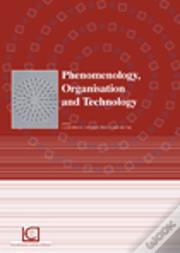
Phenomenology Organisation and Technology
idioma: inglês
Editor:
UCP Editora, dezembro de 2008 ‧
ver detalhes do produto
20,19€
10% DESCONTO
CARTÃO
ZUZreGVYZFZZbll6ZDJwbVFWRjJhVmwzVld4c1lXVm5SME5sWmtaVFJsZHJaR2RVZW5obU9HWnBVa3hTVWtSM2NEUmxRbXBhZFVnclYwcDZXVGRSUjNWRWNESm1hR2hwTXpCWldVZ3JkazVyVVZBelltWXJkVFZ6ZFhoa1JFdHpTMWxXTDFoTGEyaDRlamxhY0c1eFZrUTRPVmhYYm1GdVpsaGxjRTVVZDNSek1rbE5SV0lyZEVoTllWVndjbTF2WlhZdldtNUNhVlZuTDBkcVMwVTRNbWNyZWs1SFZqZDFiVGt2TTFkWlRVSXZaSE5yV25KdlJGRTJWa0ZsVFhSWldtdzNSbkpDYzJ0WFJuUnVLMnBqVUdSd1ZUQTFXbVYyU25sd1QzTTNWM2xJVkhKUE5tdzJha2x1U1dJeVMwdEhkelpQWTNacGFXTlNhbk42TUZOV1NVNVdUR2xWUnk5SFZXMDVRVkJpVlZoelozUkNSSGxaYlN0aEt6TlJUWG8xTnpnMFdrSndURmRKTjNKNVFXUlZWQ3RTUm5OUWJpOVFNU3RvVTFWM09VZFNSbmw0V0hKc1FVdDVVRWhNZURacmVraFdSbE5sUlVaVU0wUmxVRk52Y2xWUk5saGpNMmxLYkM5YU1XVk1UMDFpYkhkcGFVTmFZbXAxYlRsa1VIVlhZbVoySzJFd1JqSkNTRTkxTUVGallrTm5NMlJzVEc4MllWZDVlREJ1VDI0NU56ZEpXbU52U0VGdFZWSXdWMFJKYkd0SloyeG1TelJIZGpWVlZtZEpORFIxZUhONU9GUjRhbXBvVVVkRlZIaFRaRk4yUmxSbFVteHVZa05vWkVSME1rMHZlVkJoVG0weFVuUnlMMkpNWjNJMFlsUkpWbGt3UjI1WU5rNVdZVEppWTBwU2VqZFRRekZxY1VSUFVuWkpWR3hFYlZwUVFrRm1aRk5GZURjd1FYaHlNVEkwVTBoa2MzRmhVbU5WTTA0d2FFZFlWVUZ0TVZGd01EbHdNM2gxWkVJdk16VkJWRGh1YjBaQ1JEVlRkVGcxVGtkaVpVdFVXbFZyYTJneU0wOHJPUzlsZUVneFJHbGhjMEkyTVdZM00wMVVLMkZwWkRadU5IZEpTbGsyZEhSd1JFRmtlblJQZVdKUk4zTmxibkl3Y25CNGMxTnphVkptTjBkaU5IWTRkRlZvYkRSbFdWUjBTa2xoVURVM1YydGxjVVpJVlM5VFdqSnRTVWhGWWxWRVQyNUlNM3BVU2pWRE9XNDVSQzk0VGpOeGQyRjBOM1pNVjNVNGNHbERiRTk1ZEhBMlUxZG9lamQ0VVROblNETnlVQzkzTURCMU5XcHlSV3BzVFZjeFpHSkNiMUJYYlM4MFJWbzVZWGw0U1RobGMydGpRVDA5OmhUL3A5L2o4ZEtpK0hvT1Z6bFY2aWc9PQ==
portes grátis
Venda o seu livro
SINOPSE
This book is first and foremostly about phenomenology, but not phenomenology for its own sake. It is about what the phenomenological orientation can contribute to our attempts to make sense of complex contemporary phenomena such as the lived experience of technology and contemporary organisational practices. The purpose of this book is to turn back and orient ourselves towards the ongoing meaningful and subjectively lived experience of those phenomena ? to return to the (meaning of) things themselves. This was indeed the desire that underpinned the creation of the workgroup on Phenomenology, Organisation and Technology (POT), with its inaugural meeting in London in 2001; followed by POT 2 in Lisbon (2003), POT 3 in Rovaniemi (2004), POT 4 in Lyon (2005), POT 5 in Amsterdam (2006), and POT 6 in Oxford (2008). The chapters in this book were initially presented at these workshops.
The book intertwines Phenomenology, Organisation and Technology in three ways. One of these, an enduring concern for the group, is the question of phenomenology itself ? Part I grapples with the question of what phenomenology is and how it might be used. This is a question that needs constant renewal as the phenomenological tradition develops and transforms itself. Part II proceeds by taking a phenomenological orientation towards a variety of organisational phenomena and Part III focuses on our condition of being immersed in an increasingly technologically textured life-world. In 'applyin' phenomenology to contemporary organisational and technological issues, this book suggests that phenomenology can still renew and reinvigorate questions central to our contemporary way of being in everyday organisational life. This is important, not only for management and organisation studies, but also for the phenomenological movement as a whole.
The phenomenological project, that this book embodies, can be said to be twofold: (i) it aims at providing a path towards more realistic knowledge, knowledge closer to lived experience - this is our original contribution to management and organisation studies; and (ii) it aims at providing methods or views which are less stark (one may even say sanitised) than those based on pure ?evident objective reality? - this, we believe, is our social responsibility as researchers. In this sense, phenomenology clearly has something to say about the difficulties encountered early on in the 21st century.
Lucas D. Introna, Fernando Ilharco and Eric Faÿ
The Editors
The book intertwines Phenomenology, Organisation and Technology in three ways. One of these, an enduring concern for the group, is the question of phenomenology itself ? Part I grapples with the question of what phenomenology is and how it might be used. This is a question that needs constant renewal as the phenomenological tradition develops and transforms itself. Part II proceeds by taking a phenomenological orientation towards a variety of organisational phenomena and Part III focuses on our condition of being immersed in an increasingly technologically textured life-world. In 'applyin' phenomenology to contemporary organisational and technological issues, this book suggests that phenomenology can still renew and reinvigorate questions central to our contemporary way of being in everyday organisational life. This is important, not only for management and organisation studies, but also for the phenomenological movement as a whole.
The phenomenological project, that this book embodies, can be said to be twofold: (i) it aims at providing a path towards more realistic knowledge, knowledge closer to lived experience - this is our original contribution to management and organisation studies; and (ii) it aims at providing methods or views which are less stark (one may even say sanitised) than those based on pure ?evident objective reality? - this, we believe, is our social responsibility as researchers. In this sense, phenomenology clearly has something to say about the difficulties encountered early on in the 21st century.
Lucas D. Introna, Fernando Ilharco and Eric Faÿ
The Editors
DETALHES
| Propriedade | Descrição |
|---|---|
| ISBN: | 9789725401354 |
| Editor: | UCP Editora |
| Data de Lançamento: | dezembro de 2008 |
| Idioma: | Inglês |
| Dimensões: | 210 x 295 x 15 mm |
| Páginas: | 392 |
| Tipo de produto: | Livro |
| Coleção: | Colóquios |
| Classificação Temática: |
Livros em Inglês
>
Ciências Sociais e Humanas
>
Comunicação e Jornalismo
|
| EAN: | 9789725401354 |
LIVROS DA MESMA COLEÇÃO
-
10%Aquele Saber Grande que Juntou Literatura e Outros SaberesEdições Húmus15,00€ 10% CARTÃO
-
10%No Princípio Era a Palavra - O Lugar das HumanidadesEdições Húmus12,00€ 10% CARTÃO
-
10%Património Cultural e Transformação DigitalUCP Editora15,50€ 10% CARTÃO
-
10%Lições da PandemiaUCP Editora25,00€ 10% CARTÃOportes grátis