



adicionar à lista de desejos
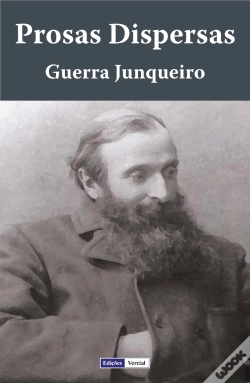
Prosas Dispersas eBook
Publisher:
Edições Vercial, January of 2013 ‧
see product details
2,90€
10% OFF
CARD
YjBKU1R6UnRTMWs0VVZSeGFURnViRTlEU2s5RldqSnJSV1ZwTmxOUWNIWlRSbXRYZFRSRVZWSnJNaXRTYUhsWVptNU1NMGxhYXpCVVUwdHFlbTF1WVdkWFptRmxNbUZwTTAxTmJIVm5jWEJqVmxkdGNGQkhTVEZ3Ym5CaU5tZDRObEoyYjBaMVdUYzFMMDgzWVVSQlpUUlBZa1UyVTI1QlpXSllNWFZMUlVVckwwNXVTMmRrVFVwdU5IRmhVVVJ2T1hodlFVUlRWSFpNV1VWMUt6TlpkMkpHY0VKTmVHMDRaa3hSUm5kME4xRkpOR2xhVDJack0zaEhTSFJaYTFWb01EY3hZMU5TTUdkSVNsZFhXVXhKZWpaWlJsSXhObkFyY2pSaVVITjZSVWsyVUhaSmFrNHlkWGh0UmxGblRETlFOVTQ0ZDJKVWQyTnZRVFF2TVVaRlprMUdVRkp4UlN0dmRHRnJWMnRPWWtkMFZFWTBORnBMTDBOTlFVZHlSalJ1U0U5WVExZGxPVzExY1dkMk1HVTVTWGgxYzBKU00waEdUakZSV0VKVE5VMU5PVEl2Y3pSVVNXUlNTRk56UTBZNVIwVnRiVE0zVVU5dGFGaEZjSGhPZWxsMFVXSTBZMnM1Umxvd1QzcE5jekJsUVhKamVtOWlhbTVOT1U5aFRDOW5aVkJYUlVGc1oyMWhhM2RNVG5Kc01FRlhSV1ZRYUZwdE1scHJSMWszZWpCdk5IbENiSFZGZUhOQlUyUmthU3RMTDFsSFRFaHNNRWsyU25GaVVYZzFkMU4zVWs5VWNUTkNSVmxPUnpkMmRFcEhkbTFMY1hCRmFXRldWbGhoWjFoMldVVlZXRzExTjFaR2N6SldSblVyUzI1V1ZqaGFVRUVyYlZGaE1rMVNaRzFPVnpKVGFXTnlXVzFVY25OUFRta3ZUVTl5YzFCQlN6UlFjM293TTFndlduVkZkek5vVDNaTmFtdGlhR2hFVVROMlF6aFNjVGRaV2xCUFVFSlNhMjk2YTNKclVrOHhTWGQzWVVKcVVtRmtaVUpVV2t0RmQweHdOWFJRWkd0aVpXeEZiRGhVVGpsU1prOHphbkJCYVdkT2JFbDVNV3B3T1Vadkwxb3liRTVvWWsxeFNuVlFNRzVRVVRoTU0zcFdMMlZEZEhkeldtRXdXbE01T0dZeVptcGpNR0pWWkhGS2FGWlRaVkZtTm10WFRtUkNTeXRVTXpCNVIybFRkRmRtVHpkdlNGb3JUV3cwZDFZeVVsWTNSbVZKZWpaMGRHY3djMWhTTWxBNGRESkxjME5YV0dZNVJtdEZNa05OUFE9PTp4MWtTQ29jUjdYUHV4bW03dG9uRDlBPT0=
IMMEDIATE AVAILABILITY
Ebook for WOOK READER
SYNOPSIS
A obra contém os seguintes textos de Guerra Junqueiro: O «Sacré-Coeur»; Antero de Quental; O Cantador; Raul Brandão; Sousa Martins; Justino de Montalvão; No Centenário de Alexandre Herculano; João de Deus; Os Grandes Homens; A Festa de Camões; Brasil-Portugal; Notes sur la Suisse; Notas sobre a Suíça; Edith Cavell; O Monstro Alemão.
Texto segundo o Novo Acordo Ortográfico.
Texto segundo o Novo Acordo Ortográfico.
DETAILS
| Property | Description |
|---|---|
| ISBN: | 9789897000904 |
| Publisher: | Edições Vercial |
| Release Date: | January of 2013 |
| Language: | Portuguese |
| Pages: | 100 |
| Format: | eBook |
| File Format and Compatibility: | |
| Categories: |
eBooks in Portuguese
>
Fiction
>
Memories and Testimonies
eBooks in Portuguese > Fiction > Monographs |
| EAN: | 9789897000904 |
ABOUT THE AUTHOR
Guerra Junqueiro
Portuguese poet and politician, born in 1850 in Freixo de Espada à Cinta (Trás-os-Montes) and deceased in 1923 in Lisbon, Guerra Junqueiro is among us the most vivid representative of a pamphleteering social romanticism, influenced by Victor Hugo and Voltaire. Coming from a wealthy, traditionalist, and clerical farming family, he was destined for ecclesiastical life, even attending the Theology course between 1866 and 1868. He graduated in Law in Coimbra in 1873, during a period that coincided with the ideological agitation movement that erupted in the Coimbra Question. In that city, he associated closely with the poet João Penha, in whose literary magazine... The LeafHe makes his literary debut. Throughout his life, he combines administrative careers (serving as secretary to the civil governments of Angra do Heroísmo and Viana do Castelo) and politics (being elected more than once as a deputy for the Progressive Party) with farming on his land in Barca de Alva, in the Douro region. In the eighties, he participates in the meetings of Losers of LifeAlong with Oliveira Martins, Ramalho Ortigão, Eça de Queirós, and António Cândido, among others, he reacted to the British Ultimatum of 1890 with his book of poems. Finis PatriaeWhen he distanced himself ideologically from Oliveira Martins, trusting in the Republic as a solution to the ills of Portuguese society, he served as Portugal's Minister to Switzerland between 1911 and 1914. In the final phase of his life, he retired to his property in the Douro Valley, marking a turning point in his poetic direction, which turned towards the land and "the simple people," as evidenced by his last works. Homeland (1896), still satirical, but already of nostalgic and pantheistic inspiration; The Simple Ones (1892) - a hymn of praise to the land, with poetry that evokes his childhood, imbued with nostalgia, calm and comforting memories, and where a great tenderness is felt for the corresponding social landscape; Prayer to the Bread (1903) and Prayer to the Light (1904), these venturing down metaphysical paths.
His anticlericalism, which earned him scandal and fame during his lifetime, and his impetuous, vibrant style, supported by the epic formulation of the Alexandrine verse influenced by Hugo, contributed to the appreciation of the critic Moniz Barreto: "When one seeks the formula of Guerra Junqueiro's spirit, one finds that he is much more of an orator than a poet and that he has much more eloquence than imagination."
A pamphleteering, confidential, satirical, and also religious poet, his value was contested in the 1920s. However, his defenders never ceased to believe in his genius as a satirist and as a lyricist.
Guerra Junqueiro. In Infopédia [Online]. Porto: Porto Editora, 2003-2008.
BY THE AUTHOR
-
Seleção de Contos para a Infância10%Porto Editora7,75€ 10% CARD
-
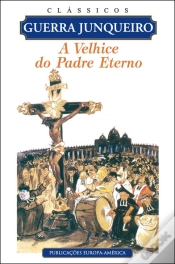
A Velhice do Padre Eterno10%Publicações Europa-América19,90€ 10% CARDfree shipping
PEOPLE WHO BOUGHT ALSO BOUGHT
-
Portugal KitscheBook10%Oficina do Livro10,99€ 10% CARTÃO
-
Portugueses Do Brasil E Brasileiros De PortugaleBook10%Oficina do Livro2,99€ 10% CARTÃO