Guerra Junqueiro
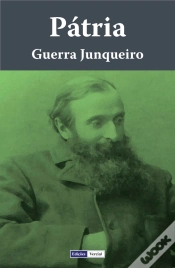
Poeta e político português, nascido em 1850, em Freixo de Espada à Cinta (Trás-os-Montes), e falecido em 1923, em Lisboa, Guerra Junqueiro é entre nós o mais vivo representante de um romantismo social panfletário, influenciado por Vítor Hugo e Voltaire. Oriundo de uma família de lavradores abastados, tradicionalista e clerical, é destinado à vida eclesiástica, chegando a frequentar o curso de Teologia entre 1866 e 1868. Licenciou-se em Direito em Coimbra, em 1873, durante um período que coincidiu com o movimento de agitação ideológica em que eclodiu a Questão Coimbrã. Nessa cidade convive de perto com o poeta João Penha, em cuja revista literária, A Folha, faz a sua estreia literária. Durante a sua vida, combina as carreiras administrativa (exercendo a função de secretário dos governos civis de Angra do Heroísmo e de Viana do Castelo) e política (sendo eleito por mais de uma vez deputado pelo partido progressista) com a lavoura nas suas terras de Barca de Alva, no Douro. Nos anos oitenta, participa nas reuniões dos Vencidos da Vida, juntamente com Oliveira Martins, Ramalho Ortigão, Eça de Queirós e António Cândido, entre outros. Reage ao Ultimato inglês de 1890, com o livro de poesias Finis Patriae, altura em que se afasta ideologicamente de Oliveira Martins, confiando na República como solução para os males da sociedade portuguesa. Entre 1911 e 1914, assume o cargo de Ministro de Portugal na Suíça. Na fase final da sua vida, retira-se para a sua propriedade no Douro, assinalando-se então uma viragem na sua orientação poética, que se volta para a terra e para "os simples", como atestam as suas últimas obras: Pátria (1896), ainda satírica, mas já de inspiração saudosista e panteísta; Os Simples (1892) - um hino de louvor à terra, de uma poesia que evoca a sua infância, impregnada de saudosismo, de recordações calmas e consoladoras e onde se sente uma grande ternura pela correspondente paisagem social; Oração ao Pão (1903) e Oração à Luz (1904), estas enveredando por trilhos metafísicos.
O anticlericalismo, que em vida lhe granjeou o escândalo e a fama, o estilo arrebatado, vibrante, apoiado na formulação épica do verso alexandrino de influência huguana, contribuíram para a apreciação do crítico Moniz Barreto: "Quando se procura a fórmula do espírito de Guerra Junqueiro acha-se que ele é muito mais orador que poeta e que tem muito mais eloquência que imaginação."
Poeta panfletário, confidencial, satírico e também religioso, o seu valor foi contestado na década de 20. No entanto, os seus defensores nunca deixaram de acreditar na sua genialidade como satírico e como lírico.
Guerra Junqueiro. In Infopédia [Em linha]. Porto: Porto Editora, 2003-2008.
O anticlericalismo, que em vida lhe granjeou o escândalo e a fama, o estilo arrebatado, vibrante, apoiado na formulação épica do verso alexandrino de influência huguana, contribuíram para a apreciação do crítico Moniz Barreto: "Quando se procura a fórmula do espírito de Guerra Junqueiro acha-se que ele é muito mais orador que poeta e que tem muito mais eloquência que imaginação."
Poeta panfletário, confidencial, satírico e também religioso, o seu valor foi contestado na década de 20. No entanto, os seus defensores nunca deixaram de acreditar na sua genialidade como satírico e como lírico.
Guerra Junqueiro. In Infopédia [Em linha]. Porto: Porto Editora, 2003-2008.
Bibliography
-
eBook10%Três Contos De Guerra JunqueiroTexto Editores06-20133,99€ 10% CARD
-
eBook10%Poesias DispersasEdições Vercial01-20132,90€ 10% CARD
-
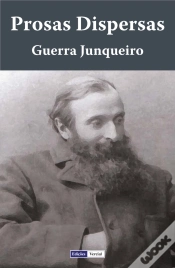
eBook10%Prosas DispersasEdições Vercial01-20132,90€ 10% CARD
-
eBook10%PátriaEdições Vercial10-20122,90€ 10% CARD
-
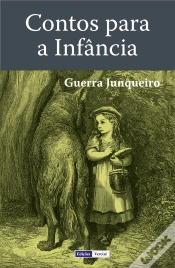
eBook10%Contos para a InfânciaEdições Vercial10-20122,90€ 10% CARD