




adicionar à lista de desejos
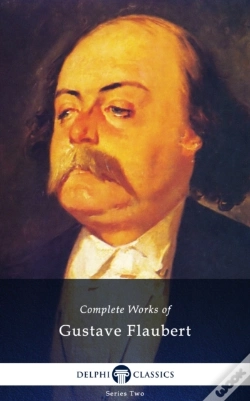
Delphi Complete Works Of Gustave Flaubert (Illustrated) eBook
idioma: inglês
Editor:
Delphi Classics, agosto de 2015 ‧
ver detalhes do produto
1,60€
10% DESCONTO
CARTÃO
YjNCaFdtOVlVMDU1UmpGTFlWTnRlR1p6ZG1kWGJHZGpXRWREZERGTU5ucGFkVmc0TUZKUFQwVTBRVFExVW14d1kzRktaM05HVDNwQ2QzbHhUM05ZVGxKcU1sZGlkbE4yYVd0eFNFMDJabUV5TjFsSVZDdHViVE0yTjBFdmRHNUNOWGx4YzJwcVluTXpiRk5rUkd0SVIzWkJaVUpYZUc1WFp6TnNaMW8yUTAxNWNYTmxNR1V6Y1dKaFRHaG1Xa1E1SzNsR1kzbHpVbTAyWVRkUmExRjFjMDlvUVVORU5qbDNRV2hOU2pOUk0zbDNjVlIzWjJoT1ZuWkhkMnBCZVVodWVqbGxjMWhYUzBaclUxRlJjVzQwWXpaUGEzRTFhWGc1T1hkNWNsUjVMM2hYUldWeFQwcDZSMDFxV0dSNVJHNUJVR2gzU1dwbEszcHVWMHhSTDNFMWJHVlpRVVZoUzAxTlYzTTNkbUZ2U0RKNmFFaDZRMVJFVkVaTWRVMDJhV3hvVm1wUE1sbFNiV3B3YTI5RU4ydGtMemM0UVZJNVR6ZEJXaTlOVVVaaGJtSmxkSFV2UWpWNmVqTkJaVFZCZVhkMVREWmpSeTkwVUdWUFExTnZRVzlEVTBKbGFXVnFUVkoyVXpGTk1teFFlbGwwV1RoS1JXNTRjSHBtVUhwQ1pIYzJjRlJvZGxWS1IxTnpaV1ozZGtKQlluRkhUbWhMY1dVMk5YZFZjRzU1YldOeGJEVnZOMmRQZGxGRE5YQkVSbFZUWWpKRVYzbHZlbXc1TW5KcFFqUTFTbEZYUTNneldpOUJWRkJ3YzFWWU1UYzRlbGQxWkZGUVZsYzNURFJEUXpWTFlVcGlNbk5yTkU4NVZrZFVhbmRyVEU1U1NsUklkRE12U1d4UGVHTTVkbUkzUmxOVFEwWk1NVkpvTmtSaVUxTkdTblZXWms1MmJsWnhMM3B1Y1VOTFNVcFRiRnBSWkZwYUszSnlabWc0TkZVMFFtRTJNbEJWUkhkd01EbFBXVXN6ZUVKblNubElXa1ZSV21GSlJrVnpXSGhHV1VaQ1NscDFUbVpHWjBVM1dVNU1UMDl2YlZSRVUzbHJTamsyWW5aUWJITkNSV1V2YVd4dWRFdE9NakZRWTIxcFpGaE1XbTU2VWxGVmQzaG9kV1oxYjNsVmRXUm1WREI0TDJaYVJVczVkWEJrYkdabU56bHdUMWRWYlU1TlpIZGhVMFI0Y1RSWVVIb3piRE5PTTBkeU5HWnZaRm96TkVnd1VtNXBiMUZQUTFWTVZ6Sk9jakl6WVd0a2RXWndXV2hrVEhkT1dYRmlXRE5yUFE9PTpKaG5YSW4yNGQ1UFdodXZId2puQnV3PT0=
DISPONIBILIDADE IMEDIATA
Ebook para ADE
SINOPSE
Noted for his scrupulous devotion to style and aesthetics, Gustave Flaubert was a highly influential figure of nineteenth century literature, widely considered the leading exponent of French literary realism. His debut novel ‘Madame Bovary’ (1857) caused a scandal, as public prosecutors attacked the novel for obscenity. The resulting trial made the story notorious and after Flaubert''s acquittal, it became an instant bestseller. Today, it is regarded as a seminal work of literary realism and one of the most influential literary works of the time. This comprehensive eBook offers the most complete collection ever compiled of Flaubert’s fictional works in English translation, with numerous illustrations, concise introductions and the usual Delphi bonus material. (Version 2)
* Beautifully illustrated with images relating to Flaubert’s life and works
* Concise introductions to the novels and other texts
* All the novels, with individual contents tables
* Includes Timothy Unwin’s 2001 translation of Flaubert’s first novel, ‘Memoirs of a Madman’, produced for the University of Liverpool (appearing here by special permission)
* Images of how the books were first published, giving your eReader a taste of the original texts
* Excellent formatting of the texts
* Rare short stories and plays, available in no other collection
* Easily locate the poems or short stories you want to read
* Includes a selection of Flaubert’s non-fiction - available in no other collection
* Flaubert’s letters to George Sand - explore the author’s personal correspondence
* Special criticism section, with several essays evaluating Flaubert’s contribution to literature, including Guy de Maupassant’s seminal study of his mentor
* Features two biographies - discover Flaubert’s literary life
* Ordering of texts into chronological order and genres
CONTENTS:
The Novels
Memoirs of a Madman (1900)
Madame Bovary (1838)
Salammbô (1862)
Sentimental Education (1869)
Bouvard and Pécuchet (1881)
The Dramatic Narrative
The Temptation of Saint Anthony (1874)
The Short Stories
The Dance of Death (1838)
Novembre (1842)
Three Tales (1877)
The Plays
The Candidate (1873)
The Castle of Hearts (1880)
Selected Non-Fiction
Aboard the Cange
Over Strand and Field
Rabelais
Preface to the ‘Last Songs of Louis Bouilhet’
Letter to the Municipality of Rouen on the Subject of a Memorial to Louis Bouilhet
Selected Correspondence
The George Sand-Gustave Flaubert Letters
The Trial
The Public vs. M. Gustave Flaubert (1857)
The Criticism
Gustave Flaubert: A Study by Guy de Maupassant
Gustave Flaubert by Arthur Symons
Gustave Flaubert by Henry James
Extracts from ‘Phoenix: The Posthumous Papers’ by D. H. Lawrence
Extracts from Virginia Woolf’s Diary
The Biographies
Intimate Remembrances of Gustave Flaubert by Caroline Commanville
Gustave Flaubert by Edmund Gosse
DETALHES
| Propriedade | Descrição |
|---|---|
| ISBN: | 9781908909459 |
| Editor: | Delphi Classics |
| Data de Lançamento: | agosto de 2015 |
| Idioma: | Inglês |
| Páginas: | 3491 |
| Tipo de produto: | eBook |
| Formato e Compatibilidade: | |
| Coleção: | Series Two |
| Classificação Temática: |
eBooks em Inglês
>
Outros
|
| EAN: | 9781908909459 |
| Acessibilidade: | Ver características de acessibilidade indicadas pelo editor |
SOBRE O AUTOR
Gustave Flaubert
Romancista francês, Gustave Flaubert nasceu a 12 de dezembro de 1821, em Rouen, França, e morreu a 8 de maio de 1880, em Croisset. Filho de um cirurgião que trabalhava no Hospital de Rouen, fez os estudos secundários na sua terra natal e matriculou-se em Direito na Sorbonne. Em 1844, os primeiros sintomas de doença nervosa que o haviam de afligir toda a vida levaram-no a abandonar o curso. O pai procurou contrariar as suas tendências literárias, mas depois da morte deste, em 1846, Flaubert regressa a Rouen e instala-se em Croisset, nos arredores da cidade. Herda do pai uma razoável fortuna que lhe possibilita entregar-se livremente à arte. É aqui que passa o resto da vida, salvo raras estadias em Paris e algumas viagens por França, Itália e Norte de África.
A sua incursão na literatura começou na escola e data de 1837, ao redigir num jornal de estudantes, Art et Progrès, e depois a revista Le Colibri. Formou uma estreita amizade com o jovem filósofo Alfred Le Poittevin, que o iria influenciar bastante com o seu pessimismo. De Novembro de 1849 a Abril de 1851, visitou com o amigo escritor Maxime du Camp a Grécia, a Itália, a Síria, a Turquia, o Egipto e a Palestina. Destas viagens surge o livro A bord de la Cange. Quando já tinha adiantada a redacção de La Tentation de Saint Antoine, interrompeu-a para escrever o seu grande romance Madame Bovary, que em 1857 foi publicado em folhetins na Revue de Paris. Esta obra, que lhe custou cinco anos de trabalho, iria também levá-lo à barra do tribunal, em 1858, por atentado contra os bons costumes. Apesar do escândalo, a crítica consagra a obra pela novidade, perfeição e equilíbrio, e as tendências realistas.
Em 1862, quatro anos depois da sua viagem a Cartago, Flaubert escreve Salammbô, revelando grandes faculdades criadoras. Em 1869 foi publicada l'Éducation Sentimentale, obra de análise psicológica que não foi bem apreciada e deixou o escritor muito desiludido. Só em 1874 é que publicaria la Tentation de saint Antoine, que foi proibida. Nesta obra trabalhou Flaubert aproximadamente trinta anos. Em 1877 publica um volume de contos, Trois Contes.
Com a morte de Gustave Flaubert foram publicados, Bouvard et Pécuchet (1881), obra inacabada, Par les champs et par les grèves (1885) e quatro volumes da Correspondance (1887-93). Além destes livros há ainda que mencionar um Dictionnaire des Idées Reçues, inacabado, e, a sua copiosíssima correspondência reunida após sucessivas edições em treze volumes (1933-59), que contém indicações preciosas sobre a sua teoria do romance. Embora Flaubert não caia no cientismo naturalista de Zola, para ele todos os factos são importantes. Observa, analisa e extrai dos materiais recolhidos uma síntese dos aspetos da vida que pretende tratar, mesmo quando para se evadir da realidade presente os situa no passado, como é o caso da obra Salammbô.
A obra de Flaubert representa o expoente máximo do romance realista em França e terá influenciado o escritor português Eça de Queirós.
LIVROS DA MESMA COLEÇÃO
-
eBook10%Delphi Complete Works Of Tobias Smollett (Illustrated)Delphi Classics2,41€ 10% CARTÃO
-
eBook10%Delphi Works Of Alexander Pushkin (Illustrated)Delphi Classics1,60€ 10% CARTÃO
DO MESMO AUTOR
-
10%Madame BovaryPorto Editora13,30€ 10% CARTÃO
-
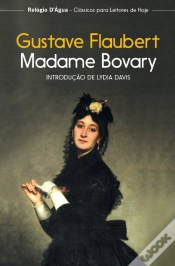
10%Madame BovaryRelógio D'Água13,00€ 10% CARTÃO