




adicionar à lista de desejos
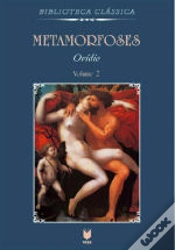
Metamorfoses
Livro de bolso
Book
eBook
Publisher:
Penguin Clássicos, November of 2024 ‧
see product details
10,76€
10% OFF
ZGpGaWVHOXZRWGxUSzNaeVlUaGtXVlJtV21JclRtRkpTbmxtUmtORlpFaG9TMDR5YzFoalVVUjRha1I0TUVoeGQxcDNTR2szWTNCcVQzTlFSSE5RYUM5RVFrZEtWWFZyU0VSMlJGVjVhMlJUWjNkNlVsbENRMGt3ZFV4TlJsaERhbVI2VlZWYVJtUjJaVU5KZVZoNlVFTktaa05PVVRWd2VrSktRMHhFTVc5UVJEUjNLMFpGYzNkbWVWWjVhVGRLZEUxeU5WSktja2hRTURKMGJtUnNkbXhZZURGcFVteFRlVEpYUVdkcFUyTmpaazlVVDFWRlVIaFFlVTFuVWl0MU9FSlNWazF1T0RWV2FGSkhXVTkwVlhsTVJ6bDJhVVZwY1RoYVZUUnNXR0ZpTW1kWlkxQm5TakpwUlhkVFpYb3hNMmRtZFVaT0wyTlFLMkUzY2pOTWQwc3ZaR05oTjJVek1VYzFRbXQzZFRCT1NHOW1TRU5IY2tWTVdsZHpWRGxPUzJablZua3lkbXBETVdoRVFuUkJiekYzV0c1d1JHeHBOSGwzUVVwUmQwYzBSazV1WjJJMk9IZG5WV3hCT1c1RmFTdFVTVEpxWWxOb01sbDJLM0ozYW5GUFZFcFZOM056UlZGelUwSk5VV1V6Tld0S1Z6VlhTVTFDWmxCcVNIWkhPVVE0V1ZscVoxVlljMFJJVW1KNFpqSXdVVTFVUWpNdmNXbzBSbUpGT0UxRVkzSTBORTUxVkd0WlYwRkVRak5OTUhNd05tbDFjMkppTWpScWNYQjNZblk1UzJoMlFteGFkMVZhY1dWWFNTdFVXbE12V1V4dlptVmpPR3RMYVdRclpVWkVNRVU0YTNKQk1rTnljV3BzZEM5V1YwbEtZVVJ3VDI4elQxSkZZMEphYmpkd00zbGpkREY2TTJOYVdFUXlXbGsxYmxKNk5WZFdSVk5xVVZKRlpGZElObUl5YURjeU5uTm1Sa1I0SzJoTU9VeHZTMDB2TWxGdlZrY3JSSFJ1OlloR1ExMXBDZnBwOHRkYmtjaHEyK3c9PQ==
IN STOCK
-
RECOMMENDED BY THE NATIONAL READING PLAN
SYNOPSIS
«Também o nosso corpo se transforma constantemente, sem pausa alguma, nem seremos amanhã o que fomos antes, ou o que somos.»
Metamorfoses são uma das obras-primas da Antiguidade Clássica, escrita em inícios do século I d.C. ao longo dos séculos, poucos textos suscitaram tão singular fascínio e exerceram tão grande influência, sobretudo nos campos da literatura e das artes plásticas.
Com a sua mestria de contador de histórias e pintor de cenários, aliado à profunda compreensão da fragilidade e da grandeza do ser humano, dos seus sonhos de superação e suas contradições, Ovídio legou-nos episódios imortais, num fluir ininterrupto de histórias dentro de histórias, depois recriados vezes sem conta.
Girando em torno do fenómeno da metamorfose, da mudança, da transformação do universo, do homem, do tempo e do espaço, Midas, Dafne, Polifemo e Galateia, Narciso e Eco, Dédalo e Ícaro, Orfeu e Eurídice, Pigmalião, entre tantos outros, pertencem, agora, à galeria de personagens eternas da cultura Ocidental.
Metamorfoses são uma das obras-primas da Antiguidade Clássica, escrita em inícios do século I d.C. ao longo dos séculos, poucos textos suscitaram tão singular fascínio e exerceram tão grande influência, sobretudo nos campos da literatura e das artes plásticas.
Com a sua mestria de contador de histórias e pintor de cenários, aliado à profunda compreensão da fragilidade e da grandeza do ser humano, dos seus sonhos de superação e suas contradições, Ovídio legou-nos episódios imortais, num fluir ininterrupto de histórias dentro de histórias, depois recriados vezes sem conta.
Girando em torno do fenómeno da metamorfose, da mudança, da transformação do universo, do homem, do tempo e do espaço, Midas, Dafne, Polifemo e Galateia, Narciso e Eco, Dédalo e Ícaro, Orfeu e Eurídice, Pigmalião, entre tantos outros, pertencem, agora, à galeria de personagens eternas da cultura Ocidental.
DETAILS
| Property | Description |
|---|---|
| ISBN: | 9789897878466 |
| Publisher: | Penguin Clássicos |
| Release Date: | November of 2024 |
| Language: | Portuguese |
| Dimensions: | 128 x 190 x 27 mm |
| Cover: | Softcover |
| Pages: | 512 |
| Format: | Book |
| Categories: |
Books in Portuguese
>
Fiction
>
Poetry
|
| EAN: | 9789897878466 |
ABOUT THE AUTHOR
Ovídio
Publius Ovidius Naso was born in Sulmo, present-day Sulmona, on March 20, 43 BC. He quickly entered the literary circles of Rome and became close to the best poets of the time. Thus began his journey into love and erotic poetry, which would lead him, successively, to compose the Heroides, the Art of Love, the Remedies Against Love, and the Treatments for the Beauty of Women. In the midst of such great success, and when nothing foreshadowed it, a harsh blow of fortune struck him, sudden and unexpected: Augustus, in 8 BC, expelled him from Rome and condemned him to exile in Tomis, on the borders of the Empire, in present-day Romania. And, already in Tomis, he composed letters addressed to his wife, friends, and family who remained in Rome. He organized them into two collections: the Tristes, first, or perhaps, in a more faithful translation, Songs of Sorrow, and later, the Letters from Pontus. Both abound with poems of lament, of sadness, a sickly and monotonous song of one who feels inspiration fleeing him for anything other than the celebration of his own pain. The aesthetic quality of these poems has divided scholars; be that as it may, however, the truth is that, with these collections, Ovid inaugurated a new modality of poetry, which we could, without exaggeration, call the "poetics of exile".
(see more)BY THE AUTHOR
-
Arte de Amar10%Quetzal Editores18,80€ 10% CARDfree shipping
-
Arte de Amar10%Editorial Presença13,41€
14,90€
PEOPLE WHO BOUGHT ALSO BOUGHT
-
Uma Poesia Extrema10%Penguin Clássicos8,96€
9,95€ -
Trabalhar CansaAté 20%+ OfertaPenguin Clássicos13,95€