



adicionar à lista de desejos
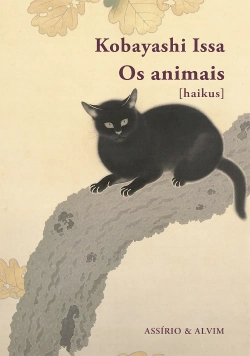
Os Animais eBook
Book
eBook
Publisher:
Assírio & Alvim, April of 2019 ‧
see product details
10,49€
30%
OFF +
10%
CARD
ZEROa016a3pTVlo0SzJoMlRHdHZSMVpvZG10cGVYUjBOeXN2YTFWUFZuQnZSVnBMWjJWMVIwdE5hemhEU0VSUWNXeFBiMUF5VUdReVYyOUxUWGhKWTNSbk5rOU1VMUJwUVd0U04wZHJNVTlDUmpOamQyTlZNbGc1VHpNNVVYaHlTMFYwUmpWYWNtb3dTSG8zUXpWUFpYQkRaR05ZTUZoRll6WmxhelJxTWs5eGFrSllkVTVGVDNaMlpWWktWa3BWVDA5WFpYbERTblJxY1ZCeWFVeHFNMHRPZG1sT1QwcHlOa1EzVm01M1QzRnJZMkZzWm05Q1RISTFhVkptV1VvMVZqUXpkV1ZUWkhsNFJFOXFabGM0YjBaRVIzTnBRbTR5ZEhsUllrSmliMU5UUmtKUFVHcHBZVVUzZUVoR1FrSTNibHA2TDA4M01HNUxTbE5PZUdKRFExaDVaR056V1ZWVlFWQXpNRmxuTkRCUlMyb3ZSbTQyYlZCelZtRXlabGRaTTBGdlZYbGhjWEpNYzJSd01UQm5UVXhSZUZaeVNuZEtLMGt6TDFkTk9EVlJTMUZ6TW5WV2RWbFZZVVkyZUhCcFFuUmFWR1pRS3pVclIzZDZlREp0U210aE16bExWVFpJVkVkcmNFaG1MMDFEVG1kUmFVaGxjRFJIVjNKMVdtUjZSbm81UW5oelZXNWxVVFZ6TDNSUGIzZHZlbk5PU21jNWVrOWpWWHBSUldSQ2NXMVlZMW8zVGxaM1N6aFZOR2hDWXk5NVYwNWljekUzTjBaaWVYaE5laXRMU0RjdlZHbHlaa0pTVTJWVU9HSTBWMmszY1hOcGJuWjRWWGhQV1VKVU5uRnJWVTVxVDNoUldIWjFhSGxZYnpoSVdFZzRNblp1VG1wRlJVazNhM0JxZUd3elREaFRjWE5VTm1GcVVGb3ZkM2xNTmtaSWVEVkRjMFZDWVhWSFRIaENkbGh1Y2xwbFVtRnhPRk52UlV4SVRsaGhhemt3UkVsYU9WcE1XR1J0TUhKT1JsUlZabXQxZFdkQ1l6WnpZV2sxWkc4NFVrNVZNMnRvVkd0eFFTOVhWSEJpUkdZd01VWTJTVm8xVFhCeU5VSnBaMnhQYW5wa0syRjJlVXhGUjJ4YWNXbEZNV05PYzB4S01qbGtSM2gxVmpOMVpXb3dTMFJ1Tm5kWFdtWk5ZbkZDTVZaQmQxcE9helJ6ZVRaWUsxRnJhM0p0TjBwMFlsWlBSMGx2YUVWcFdrdDVkelpJYlRod2NFRndjVFZyU0M5elJ5OXNMMnczV0dsRFEwRklSWFI2VFRsdE9UWnFVekl3UFE9PTo5ZTVpSlNtUGZSZkxBNTVlSWJIamhRPT0=
IMMEDIATE AVAILABILITY
eBook with wookreader protection
SUMMER READINGS – SEE MORE EBOOKS AND AUDIOBOOKS ON SALE.
SYNOPSIS
Kobayashi Issa integra um grupo restrito de poetas japoneses conhecidos como «Os Quatro Grandes da Poesia Haiku», do qual fazem parte Bashô, Buson e Shikki. Analisando quantitativamente a produção de cada um deles, constata-se que Issa foi o mais prolífero, tendo escrito perto de vinte mil haikus, para além de ter ainda deixado um legado enorme sob outros formatos literários (tanka, renga, prosa poética).
Dos seus haikus, cerca de dois mil referem-se a animais. Nunca antes, no universo poético nipónico, tal fenómeno tinha acontecido. Issa será muito seguramente o escritor japonês que mais usou as espécies animais como protagonistas da escrita poética. E fê-lo com tanta maestria e encanto que hoje em dia não há, no Japão, adulto ou criança que não saiba de memória um punhado dos seus haikus.
dentro do nevoeiro
três pinheiros e dois grous
marido e mulher
Dos seus haikus, cerca de dois mil referem-se a animais. Nunca antes, no universo poético nipónico, tal fenómeno tinha acontecido. Issa será muito seguramente o escritor japonês que mais usou as espécies animais como protagonistas da escrita poética. E fê-lo com tanta maestria e encanto que hoje em dia não há, no Japão, adulto ou criança que não saiba de memória um punhado dos seus haikus.
dentro do nevoeiro
três pinheiros e dois grous
marido e mulher
DETeBook com proteção para wookreaderILS
| Property | Description |
|---|---|
| ISBN: | 978-972-37-2084-6 |
| Publisher: | Assírio & Alvim |
| Release Date: | April of 2019 |
| Language: | Portuguese |
| Pages: | 432 |
| Format: | eBook |
| File Format and Compatibility: | |
| Collection: | Documenta Poetica |
| Categories: |
eBooks in Portuguese
>
Fiction
>
Poetry
|
| Recommended Minimum Age: | Not applicable |
REVIEWS
Convite à contemplação e à humildade
António Mateus
Os animais é uma obra que convida à contemplação e à humildade: através de versos mínimos, Issa recorda-nos a beleza e a vulnerabilidade da vida em todas as suas formas.
aiku
Isabel Moura
Os poemas haiku são sempre uma fonte de inspiração e ensinamento, beleza e minimalismo na máxima simplicidade.
os animais e a sua dignidade
carlos alexandre bastos lopes
Issa para alem de ser um crente budista, com tudo que isso implica em ter da dignificação do ser humano como ele e seus semelhantes, teve uma outra ideia que dá substancia ao seu labor poético: os animais também são seres passiveis de atingir o nirvana, porque de alguma forma eles também sentem. Estes seres sensitivos despertaram, portanto, visões impessoais a Issa, com as quais o leitor se maravilha e que são plenas de dignidade e dignificação para os animais e para quem assim os respeita.
ABOUT THE AUTHOR
Kobayashi Issa
Itaro Kobayashi (Issa é o nome que adotará mais tarde) nasceu em 1763, em Kashiwabara, na província montanhosa de Shinano (hoje Nagano), no Japão. Era uma região montanhosa de grande beleza, em que a neve fundia apenas no verão e a geada fazia a sua aparição logo no início do outono.
O pai era agricultor e criador de cavalos. A mãe faleceu quando Itaro tinha apenas dois anos. A experiência dolorosa da orfandade levou-o a refugiar-se nos bosques e a procurar a companhia dos animais, aves e insetos. Com seis anos começa a frequentar a escola, onde se inicia nos textos budistas.
O pai volta a casar. A madrasta transforma então a sua vida num inferno, obrigando o pai a retirá-lo da escola. A situação complica-se ainda mais com o nascimento do meio-irmão. Aos catorze anos o pai envia-o para Edo (Tóquio) com uma carta de recomendação. Permanecerá aí trinta e sete anos. Conhece o frio e a fome nos primeiros tempos. Começa a escrever haikus e frequenta uma escola fundada por um discípulo de Bashô.
Na primavera de 1792 rapa o cabelo, veste um hábito de monge, adota o nome de Issa (que significa bolha numa taça de chá) e parte em peregrinação. Essa viagem durará quatro anos e levá-lo-á a Kyoto, Osaka e à ilha de Shikoku. Quando volta a Edo a publicação do seu diário de viagem alcança um êxito enorme.
Em 1801 regressa a Kashiwabara e finalmente consegue a sua parte da herança familiar. Casa, então, aos cinquenta anos com Kiku que lhe dará quatro filhos, tendo todos eles morrido precocemente. É à segunda filha que Issa dedica algumas páginas lancinantes no seu diário Oraga Haru (A Minha Primavera).
Issa sucumbe em 1827, na sequência de um ataque de paralisia. É sepultado no monte Kamaru. Numa pedra não trabalhada está gravado:
«Será esta
A minha última morada -
Sob metro e meio de neve.»
Jorge Sousa Braga, na introdução ao livro Primeira Neve
BOOKS FROM THE SAME COLLECTION
-
10%DobraAssírio & Alvim39,60€
44,00€free shipping -
10%PoesiaAssírio & Alvim22,20€ 10% CARDfree shipping
BY THE AUTHOR
-
10%Os AnimaisAssírio & Alvim22,20€ 10% CARDfree shipping
-
10%Luz De Otra VidaSATORI EDICIONES C.B.12,23€ 10% CARD
PEOPLE WHO BOUGHT ALSO BOUGHT
-
eBook40%O Eremita ViajanteAssírio & Alvim10,49€ 30% + 10% CARTÃO
-
eBook40%A Asa e a LuzAssírio & Alvim6,99€ 30% + 10% CARTÃO