
adicionar à lista de desejos
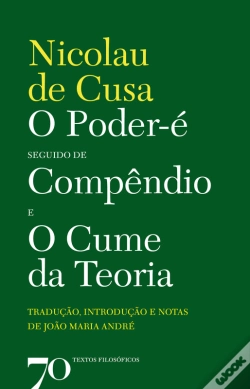
O Poder-É Seguido De Compêndio E O Cume Da Teoria eBook
Book
eBook
Publisher:
Edições 70, December of 2025 ‧
see product details
11,69€
10% OFF
VUd0Q2IwVklNazQwT1U1VFpIVXZTMHBvU3lzNE9WUnBSbWR3SzJWSFpEVllWa1ZtU1RGT05rZDJTemR2WlZKWE9USXlZV3c0ZGxKVFNsbFFXRTR6VG1kWUsyOVBTRU5qYnpsNVlVeFpTMU52VmsxMlFrVmllamg1Y0hGT00xSTBhV0pvVWtSSVJEWndPWFZJYldJd09GcElNMWgzV21neGRqRlVlRUZLY2xNM1MyMVVOR0ZXY2xGUldsTlJWVEpRVlZSdFlUVjBLMFJXTW5WQmMxQkNNM3BVTkdoUEsyRXZNbTEyTkRSVWJsZzBVbVpKTHpoNU4zQkNXVWxCZFdaeFIzTlVWV2xaY1dWclRtcFNiVWN3ZDNCQ05sRmxXRzk0UTJkUWVUbFNabkJtZEVkMmNUWm1XRGhJU2pJcmFYVnNZbkpYZVd0cU9VMUdNbmxPVEc1TVltZElPRkpyYmxSalMydHBRakF5UzNGNWJUUlBhemxZUlVrcmRVOVFjRlpDZDFOcFVVeHJXblIwU25wUmNsVXllWGRaZVhaNVNVTm9ZVTk0YzJwclNHNDNWRUp3TkRWeWQwbFliamxFWWs1T2RTdHFPWFZPUW1acFJXWTFNelZ3UTFCVGREWTVkWFZ4Y21waVNtNVJUa3BGTkV0eVJWRjVObTAyU0hCb0wwUllabXQ1VldkNlpIUTNVM2x0VG5CQmRrVlRVRFZDTHpVeEwwRlJXSE5RUzAweFlWTXlUWFZ0ZDFNd2NGSnhXVVpRVTNaRFFWZGxNV3RFTVZOMFYyMVRjM3BpWkZwemNtaHVNRzlQTUcxQ05rbDRZWGRsWmxoSlZqRkpNVlV4V1RWWFMyZExNMHNyYTNCbWNVVm5UbmRoY0dWdUwzUnRkelJEY2xSM1J6a3dRMDR5ZEhKcFVtRjZjWEZ2TDAxU2NYVkxlV1JXTTNobE4xWXZaRTVtZEVSSFQxZE9RMllyWm1aa1JYUTRka3czU0V4WmQzZExRVGRIWmtKbFRVbzBjR050OkhmRnE4S3V5V0xXSkxHTFNuZmt0bHc9PQ==
IMMEDIATE AVAILABILITY
eBook with wookreader protection
SYNOPSIS
Nicolau de Cusa (1401-1464) escreveu as três obras cuja tradução aqui se apresenta, O Poder-é (De Possest), Compêndio (Compendium) e O Cume da Teoria (De Apice Theoriae) nos últimos anos da sua vida. Correspondem, pois, a uma fase posterior e amadurecida do seu pensamento.
Une-as o esforço por aprofundar a natureza do primeiro princípio, identificado com Deus, através de novos nomes representados aqui no conceito de posse (infinitivo latino do verbo que significa poder): possest (o poder-é), posse (o poder) e posse ipsum (o poder-ele-próprio), no desenvolvimento de uma metafísica do poder e do possível.
Une-as o esforço por aprofundar a natureza do primeiro princípio, identificado com Deus, através de novos nomes representados aqui no conceito de posse (infinitivo latino do verbo que significa poder): possest (o poder-é), posse (o poder) e posse ipsum (o poder-ele-próprio), no desenvolvimento de uma metafísica do poder e do possível.
DETeBook com proteção para wookreaderILS
| Property | Description |
|---|---|
| ISBN: | 9789724429052 |
| Publisher: | Edições 70 |
| Release Date: | December of 2025 |
| Language: | Portuguese |
| Format: | eBook |
| File Format and Compatibility: | |
| Categories: |
eBooks in Portuguese
>
Social Sciences and Humanities
>
Philosophy
|
| EAN: | 9789724429052 |
| Acessibilidade: | Ver características de acessibilidade indicadas pelo editor |
ABOUT THE AUTHOR
BY THE AUTHOR
-
10%O Poder-é seguido de Compêndio e O Cume da TeoriaEdições 7015,21€
16,90€free shipping -
10%Sobre La MenteJose J. Olañeta Editor12,23€ 10% CARD