


adicionar à lista de desejos
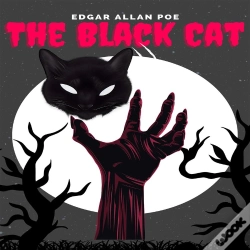
The Black Cat Audiobook
language: english
Publisher:
Old Classics Audiobooks, December of 2022 ‧
see product details
12,79€
20% OFF
UjNGeGJXWTNTRXhYTms5emEwNXVkVVZLU2xOaE1XOTVOelZLVW14SlVVZEhhMlo0YlRkQ1oxVlBVblp4U1dWNGRWaEhlWGcxYnpocllYSTRZbEU0VDBKamR6TkNaRGd5YkhWd2JGRXZNbTByTUhwak9ISlBiSEZOTDFKYVpIWlVZWE5qVUVnNGR5OUVWbXBPYTJ0S2JIQnVaVEZpY1cxUVYzTjFjSEpVTjBoTlIwVmxSREpQYjNaQlNXZ3pXWEZwVGpCeVdsWmtjV0paWmxoMlJ6TXdZVmR6UzJ0NE5tVm5UamxhUjJ3eFJtMHZSMHMyUkZCRVFqZDJVamRxTmtzdlUwRlNjR1JNV0N0S2JEa3hhSE40UTFkeGFVc3labmMwY25NelVUaE1VemxVY3pWWk4xWk9ObGxoYVhKSGVsTnJaMnRUTWpBMFRUVjZaR3R2WlZoaFNrZ3lUV0l6UjNaMlJVdENTeTlOVVZCdmR6WXJXRWRoY1d4cVMwZDFRakppTVVveVlqRlJWRUprT1hocGNuZFpaMHBtUTNCc2JVaG9iMWhCVkdvNWVuVlFUbGxGVmtNckwySTJSVWRIUjBSdmVrZGFjVWg1YjFCTWFtTkxia3ByYVRWeWVqWm1OakUzYVVwS016TjBkbmxNUlhrelMwOUVlVWhrVnpGWFYwZDBkMU5hUkVveGVVTldiak5VYTFaNWVHMVBhR2RrTkcxSGJGWkpRM1JZWWpaR2NYRXhlV2hyVFVSNmJHOXlhblp2TDBzM1IwUjFSelJaV2tORE4xaE1URzVUU1ZoTGVEZGhlRnBoVFVsNk5tUmpaMjB3Y1U1MlZrcGFhMFI1VldFM1RHVTJTalpZTm5KWk1XbEtSMUJOY0dGc09XaFJZbmR0Y2pBME9WZE1Oa3Q0SzFoblYxUXdiVm96TUdSWlJVbFhVWFpvYzNNelJISlpjVTg0WWtvMVdFWnFlbXN6YldWblNVMUtjR2xXVGtOV1kzSTFRMGsxV0ZKYWQwbFJaVlkxOnJEVU1nMnNCdmo0YTFGVXB3NG91Vmc9PQ==
IMMEDIATE AVAILABILITY
Audiobook with wookreader protection
SYNOPSIS
"The Black Cat" is a short story by American writer Edgar Allan Poe. It was first published in the August 19, 1843, edition of The Saturday Evening Post. In the story, an unnamed narrator has a strong affection for pets until he perversely turns to abusing them. His favorite, a pet black cat, bites him one night and the narrator punishes it by cutting its eye out and then hanging it from a tree. The home burns down but one remaining wall shows a burned outline of a cat hanging from a noose. He soon finds another black cat, similar to the first except for a white mark on its chest, but he soon develops a hatred for it as well.
Plot:
The story is presented as a first-person narrative using an unnamed unreliable narrator. He is a condemned man at the outset of the story.[3] The narrator tells us that from an early age he has loved animals; he and his wife have many pets, including a large, beautiful black cat (as described by the narrator) named Pluto. This cat is especially fond of the narrator and vice versa. Their mutual friendship lasts for several years until the narrator becomes an alcoholic. One night, after coming home completely intoxicated, he believes the cat to be avoiding him. When he tries to seize it, the panicked cat bites the narrator, and in a fit of drunken rage he seizes the animal, pulls a pen-knife from his pocket, and deliberately gouges out the cat's eye.
From that moment on, the cat flees in terror at his master's approach. At first, the narrator is remorseful and regrets his cruelty. "But this feeling soon gave place to irritation. And then came, as if to my final and irrevocable overthrow, the spirit of perverseness." In another fit of drunken fury, the narrator takes the cat out in the garden one morning and ties a noose around its neck, hanging it from a tree where it dies. That very night his house mysteriously catches fire, forcing the narrator, his wife and their servant to flee the premises.
The next day, the narrator returns to the ruins of his home to find, imprinted on the single wall that survived the fire, the apparition of a gigantic cat with a rope around the animal's neck.
Though initially disturbed, the narrator gradually determines a logical explanation for it; someone outside had cut the cat from the tree and thrown its corpse into the bedroom to awaken him during the fire. The narrator begins to miss Pluto and hate himself for his actions, feeling guilty. Some time later, he finds a similar cat in a tavern, being the same size and color as the original and even missing an eye, with the only difference is a large white patch on the cat's chest. The narrator takes it home, but soon begins to fear and loathe the cat, as it amplifies his guilty conscience. After some time, the white patch of fur begins to take shape and, much to the narrator's horror, forms the shape of the gallows. This terrifies and angers him more, and he avoids the cat whenever possible.
Plot:
The story is presented as a first-person narrative using an unnamed unreliable narrator. He is a condemned man at the outset of the story.[3] The narrator tells us that from an early age he has loved animals; he and his wife have many pets, including a large, beautiful black cat (as described by the narrator) named Pluto. This cat is especially fond of the narrator and vice versa. Their mutual friendship lasts for several years until the narrator becomes an alcoholic. One night, after coming home completely intoxicated, he believes the cat to be avoiding him. When he tries to seize it, the panicked cat bites the narrator, and in a fit of drunken rage he seizes the animal, pulls a pen-knife from his pocket, and deliberately gouges out the cat's eye.
From that moment on, the cat flees in terror at his master's approach. At first, the narrator is remorseful and regrets his cruelty. "But this feeling soon gave place to irritation. And then came, as if to my final and irrevocable overthrow, the spirit of perverseness." In another fit of drunken fury, the narrator takes the cat out in the garden one morning and ties a noose around its neck, hanging it from a tree where it dies. That very night his house mysteriously catches fire, forcing the narrator, his wife and their servant to flee the premises.
The next day, the narrator returns to the ruins of his home to find, imprinted on the single wall that survived the fire, the apparition of a gigantic cat with a rope around the animal's neck.
Though initially disturbed, the narrator gradually determines a logical explanation for it; someone outside had cut the cat from the tree and thrown its corpse into the bedroom to awaken him during the fire. The narrator begins to miss Pluto and hate himself for his actions, feeling guilty. Some time later, he finds a similar cat in a tavern, being the same size and color as the original and even missing an eye, with the only difference is a large white patch on the cat's chest. The narrator takes it home, but soon begins to fear and loathe the cat, as it amplifies his guilty conscience. After some time, the white patch of fur begins to take shape and, much to the narrator's horror, forms the shape of the gallows. This terrifies and angers him more, and he avoids the cat whenever possible.
DETeBook com proteção para wookreaderILS
| Property | Description |
|---|---|
| ISBN: | 9791222034249 |
| Publisher: | Old Classics Audiobooks |
| Release Date: | December of 2022 |
| Language: | English |
| Format: | Audiobook |
| Length: | 34 minutes |
| File Size | 17.84 MB |
| File Format and Compatibility: | |
| Categories: |
Audiobooks in English
>
Fiction
>
Romance
|
| EAN: | 9791222034249 |
ABOUT THE AUTHOR
Edgar Allan Poe
Escritor norte-americano nascido a 19 de janeiro de 1809, em Boston, e falecido a 7 de outubro de 1849. Filho de dois atores de Baltimore, David Poe Junior e Elizabeth Arnold Poe, ficou órfão com apenas dois anos de idade e desde cedo aprendeu a sobreviver sozinho. Foi adotado por uma família de comerciantes ricos de Richmond, de quem recebeu o apelido Allan.
Entre 1815 e 1820, a família Allan viveu em Inglaterra e na Escócia, onde Poe recebeu uma educação tradicional, regressando depois a Richmond. Poe foi para a Universidade da Virgínia em 1826, onde estudou grego, latim, francês, espanhol e italiano, mas desistiu do curso onze meses depois por causa do seu vício do jogo e do álcool. Resolveu então ir para Boston, onde publicou em 1827 um fascículo de poemas da juventude de inspiração byroniana, Tamerlane and Other Poems.
Em 1829 publicou o seu primeiro volume de poemas, com o título Al Aaraaf, Tamerlane and Minor Poems, onde se denota a influência de John Milton e Thomas Moore. Foi então para Nova Iorque, onde publicou outro volume, contendo alguns dos seus melhores poemas e onde se evidencia a influência de Keats, Shelley e Coleridge.
Em 1835 estreou-se como diretor do jornal Southern Literary Messenger, em Richmond, onde se tornaria conhecido como crítico literário, mas veio a ser despedido do seu cargo alegadamente por causa do seu problema da bebida. O álcool viria aliás a ser o estigma que marcaria toda a sua vida até à morte. Casou-se nesse mesmo ano com a sua prima de apenas treze anos, Virgínia Clemm, e o casal resolveu então instalar-se em Nova Iorque, onde não chegou a permanecer muito tempo. Foi em Filadélfia que Poe alcançou fama através de vários volumes de poemas e histórias de mistério e de terror. Em 1838 escreveu The Narrative of Arthur Gordon Pym (A Narrativa de Arthur Gordon Pym), obra de prosa em que combinou factos reais com as suas fantasias mais insanes. Em 1839 tornou-se codiretor do Burton's Gentleman's Magazine em Filadélfia, e nesse mesmo ano escreveu várias obras que o tornaram famoso pelo seu estilo de literatura ligado ao macabro e ao sobrenatural. São elas William Wilson e The Fall of the House of Usher (A Queda da Casa de Usher).
A primeira história policial surgiu apenas em 1841, na revista Graham's Lady's and Gentleman's Magazine, sob o nome The Murders of the Rue Morgue (Os Crimes da Rue Morgue), e em 1843 Poe recebeu o seu primeiro prémio literário com a obra The Gold Bug. Em 1844 regressou a Nova Iorque e tornou-se subdiretor do New York Mirror. Na edição de 29 de janeiro de 1845 deste jornal surgiu o poema The Raven (O Corvo), com o qual Poe atingiu o auge da sua fama nacional.
Dois anos mais tarde morre a sua mulher Virgínia, mas Poe volta a casar, com Elmira Royster, em 1849. Porém, antes disso, Poe publica Eureka, uma obra que deu azo a muita contestação por parte de alguns críticos da época e que é considerada uma dissertação transcendental sobre o universo, muito louvada por uns e detestada por outros.
É de regresso à terra natal do seu pai que Poe começa a apresentar indícios de que o problema do alcoolismo já era de certo modo irreversível. De facto, ele esteve na origem da morte do poeta.
A obra de Poe é o espelho da sua vida conturbada e dos seus hábitos e atitudes antissociais, que o levavam a ter uma escrita que ia para além dos padrões convencionais. Se por um lado foi vítima de certas circunstâncias que estavam para além do seu controle, como foi o facto de ter ficado órfão aos dois anos de idade, por outro fez-se escravo de um problema - o álcool - que agravaria a sua personalidade já de si inconstante, imprevisível e incontrolável.
Edgar Allan Poe. In Infopédia [Em linha]. Porto: Porto Editora, 2003-2009.
BY THE AUTHOR
-
20%Todos os Contos - Edgar Allan PoeTemas e Debates19,52€
24,40€free shipping -
20%O Gato Preto e Outros ContosPorto Editora10,64€
13,30€free shipping