

adicionar à lista de desejos
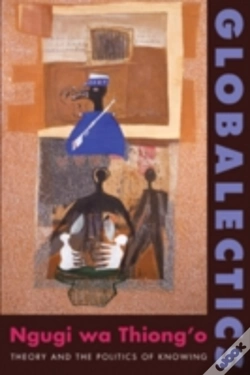
Globalectics
Theory And The Politics Of Knowing
idioma: inglês
Editor:
COLUMBIA UNIVERSITY PRESS, maio de 2014 ‧
ver detalhes do produto
25,67€
10% DESCONTO
CARTÃO
ZFZWQkwxVTFTVlpaWlhaMVlWTjJaWFY2TWpGNVQwUklPWEpoTUZkblYwVjBUelJYY0ZSSFFtWnlSRWcxTDJ4dU9XdzVOM1ZKU1doemNIZHVjMFU1YVRKMVFURnJSa2wyTW1kRFNYQjRUVWhCUTNsblRGaHpkVGx3YTFwa05XeGpRaXRyVG1KbWRIQTJXWE0yU1d3NVNYWlNNaXREUVZsNmQxVlRURXA2WTAwcllqTmtaMVVyTlM5S1ZHcGxXblJ6U2xSR09XWXhZbU5uUzFkak1YQjZkREE1U21wMWJtZDFlbkZZYmxKdlVFRldSbWRZY0dkWGNXRlpibEJaZEhOVWNEQndVV0ZUTUd0U01ubG5ia0ZCTVU1MFpYWTRaMGxXZHpaNFRUTXhSMmhQWjNoSVRtSnhNa1JHUmtSRGRWZHZSa0phYkUxbmRGZGhUMU5uTm05d2NVRnFNRzFRTkRKVFkwY3lWbEJKVFhaT2QyRmtabEk1Y2pORFVYQmFZbWR5ZVhObmJVSndUbXg1VTJ4TVlUUlBOalppVEV4emJYWm5XV3hYWW1kc05qQmpiRWRDT0UxSWJIQnBSVVIzVUhwcFdFbGlObmRWWlZSWGFFUTBSMkZDYkRGSk5FdG1kbkpDYlhWU09HSnBZVmxEWnpseVlWQndZbGh1YW0xQlpGaGxVRzV6YVhRdlpFcHlabXgxVWxkeGRtZEpLMUpOTm1waVRVVjVlVGxDWVM5SFJtVTFlSE5QY0RGVk5Ua3JZalZGZVVOcU4wNVhTeTlSZGpGR2JWVnJlVnAxWVRaS05WaHZNR1ZSVEZOaFFtdGhiMFpRWVRkRFlVVkpRVVpSYmpab1Qza3phVkpIZG5aSU1XZENNRTFUVG5CVmIxVlVVRUY0ZUdGYU5qRkZWM2hYYjBReVZWRkxLM0V3WkdOUlZtVnNhRFoxY0M5WVIzUjRNbmRNVEdkTlQwUlNZVVpzUVhRM2FUSmhXVk5QY1d0UFlYRkhkeXRuVHpKaGJEbElRak5HYkRKVmJYSnVWbTFrWWl0NWJEUTFjRGxKVldaMFNUVXZSbTFFYzFKRFQycDJXR2hoYVhOM1EzSm5UM3B2TTFOdVduRkhiRzFQV2pkTE9FVndiSEJRWjFWcFZXcHhXRTk1UkVKek5YVnliMUZCU1ZCS2VHOHZhRkpXWm5oSGNGQTNSbVZ2VTJsVWRqSmxVak5SYjFoRlRWTjJZa3d6T1VWRE1HeEllSGxTTVV0bEt6azBkVnBIYzJ4emJqTlVUamRPY0hBdmFIZHFVR04yTmpsSVdsbGFiMWhMWkVGVVUxcDJNWGRqU1hCV2NuTXZNRzUzV1NzM1JFeHNVRk5IYTNWNlJYUkNkMGxzVWxkVFVEa3ZibmxFUkRCV2MyZDVZalZtWXpGNlkyRm1LMGcwYURoNmFUZFRVakJOVTNOcVlXNXlMMkYyUVVkUVNuWXJNRmN5UW1NMVR3PT06c0NuMEFQRTNUcGJubm13cXZTSVhmQT09
portes grátis
Venda o seu livro
SINOPSE
In this volume, Ngugi wa Thiong'o summarizes and develops a cross-section of the issues he has grappled with in his work, which uses a combination of imagery, language, folklore, and character to "decolonize the mind." He also confronts the politics of language in African writing; the problem of linguistic imperialism and literature's ability to resist it; the difficult balance between orality, or "orature," and writing, or "literature"; the tension between national and world literature; and the role of the literary curriculum in both reaffirming and undermining the dominance of the Western canon. Throughout, he engages a range of philosophers and theorists writing on power and postcolonial creativity, including Hegel, Marx, Levi-Strauss, and Aime Cesaire. Yet his explorations remain grounded in his own experiences with literature (and orature) and rework the difficult dialectics of theory into richly evocative prose.
DETALHES
| Propriedade | Descrição |
|---|---|
| ISBN: | 9780231159517 |
| Editor: | COLUMBIA UNIVERSITY PRESS |
| Data de Lançamento: | maio de 2014 |
| Idioma: | Inglês |
| Dimensões: | 140 x 210 x 20 mm |
| Encadernação: | Capa mole |
| Páginas: | 120 |
| Tipo de produto: | Livro |
| Coleção: | The Wellek Library Lectures |
| Classificação Temática: |
Livros em Inglês
>
Literatura
>
História da Literatura
Livros em Inglês > Outros |
| EAN: | 9780231159517 |
SOBRE O AUTOR
Ngugi wa Thiong'o
Ngugi wa Thiong'o nascido a 5 de janeiro de 1938 é um escritor queniano, que escreveu obras em língua inglesa e que posteriormente tem escrito em língua gikuyu. A sua obra inclui novelas, peças teatrais, contos e ensaios, da crítica social à literatura infantil. É o fundador e editor da revista gikuyu Mutiiri.
Em 1977, Ngugi wa Thiong'o escreveu uma peça de teatro no seu Quénia natal que procurava libertar o processo teatral do que ele dizia ser "o sistema geral de educação burguês", ao encorajar a espontaneidade e a participação da audiência na execução da peça. A peça não foi bem acolhida pelo autoritário regime queniano e o autor passou mais de um ano na cadeia.
A Amnistia Internacional tomou-o como prisioneiro de consciência, e o artista foi libertado da cadeia, saindo do país. Nos Estados Unidos, ensinou na Universidade de Yale durante alguns anos, e também na Universidade de Nova Iorque, nas áreas de "Literatura Comparada" e "Performance Studies". Ngugi vê muitas vezes o seu nome nas listas de candidatos ao prémio Nobel da Literatura. Thiong'o retrata como poucos a luta pela independência do Quénia.
LIVROS DA MESMA COLEÇÃO
-
10%Dark EcologyCOLUMBIA UNIVERSITY PRESS27,04€ 10% CARTÃOportes grátis
-
10%In The Ruins Of NeoliberalismCOLUMBIA UNIVERSITY PRESS29,74€ 10% CARTÃOportes grátis
DO MESMO AUTOR
-
10%La Rivière de ViePRESENCE AFRICAINE7,01€ 10% CARTÃO
-
10%Um Grão de TrigoEditorial Caminho17,91€
19,90€portes grátis