



adicionar à lista de desejos
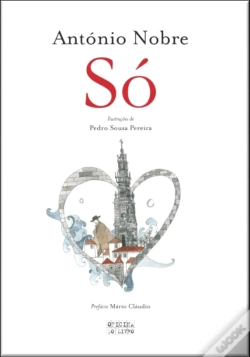
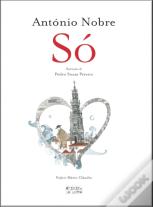
Só
Publisher:
Oficina do Livro, November of 2009 ‧
see product details
10,32€
20% OFF
VW5FdlZrTm5kakZxT0dvcmJFVkthSEIzTUhGd1QyeFJaVGxKUjIxUFJUUXlTbHBQV1RsMlkyOXJUMWRJVUVsVGFTdFhNR1o2VjJ4NFRqQXpZekZCYVV4S0swaEhMMDluSzAxeGR6aGpiRmhDVTFsWlFuVXZlbmRqUVhjdlZTOXBaRXhsUzBseWRXcENMMWsxWlZOcmNXaDFVVXBCZUVsYWJIUlRaelJpTWt4dFQySjNPVmwwZW1wV1RIbHViMDFJY2xGb1dXb3ZSVXRNTDB0WloyTjVabU41U0ZKb1kzVnJibGRZU21WVWRtSjJjak14UTFkdlkzWkRiM2xuYW0weFdsQktZV0p4V21oaU9GaFdjeTh4U0VONlpDOTBTaTl6VVhKcFIyRXhOSGhOZUhKa05EZDNPRzFZVEZoa2RrcHhWR1Y0V1dJNE4weHJSM0ZzUmpJeUwzaE5TMU5oUkc4eFoydG9ia3BSWXprMFpIaHRVbFl2VVdZMmRsSkVUVk12UlRadVNVZHdPSGxRUjJOdVpHOW1UaXN6WjFKNGFVWkxLMmt3UW1aRE1sbDRTRVZOVTJ0TlQxWnVlSE0xUVUxR1REQkJRazVJVEhsR2N6TkxlV3RSV1VOYU1YUjNWblJSZEUxYU5HTXZjVkJXY0ZRMGVsZHJiVUkwTWs0M2JHbGFhVXRxV1V0MmNtdENXbE5GWlV0bVRIZG1iekJPTDNFd0syaE1NWEF2TVhoaVZWcDRLekYyUzJZM1pqTXlWRk4yYVdsNGRIZG1WbTFSZVNzM1IyaDJRMmw1VkVsTksyRnhibm8yWlc1R00yNXhVbEpvY1VGRFYyZFlTR2RaU1ZoWFl6bElZMlpsUmk5cVkyaGpaREJQTmpaa1NWTTRNRE54Y0U4NVRXaExXRFF6Um01bk0wWkZTa2RsWVZsaGJrYzNUa2gyWkcxYWQxSjRXREEyY2tVNWMzQkhNVWszVEVRNFEwUTVZbWx6TXpWV2VHRjZTWE01VFVGNk5pOTVWV1ZqOnEzTS9sTjBtbUhZNnZubGc5N3J1S1E9PQ==
IN STOCK
-
free shipping
SYNOPSIS
Só (Paris, 1892), a principal obra de António Nobre, é marcada pela lamentação e nostalgia, suavizadas pela presença de uma fina auto-ironia e pela ruptura com a estrutura formal do género poético em que se insere. Essa ruptura traduz-se na utilização do discurso coloquial e na diversificação das estrofes e ritmos dos poemas.
EXCERPTS
“Com este Só, de Nobre e Sousa Pereira, ficamos com a mais adulta das leituras da infância, a que a ela regressa, quando isso importa, mas a que dela se liberta, quando nos apetece pensar sobretudo em nós.”
Mário Cláudio, in Prefácio
DETeBook com proteção para wookreaderILS
| Property | Description |
|---|---|
| ISBN: | 9789895554157 |
| Publisher: | Oficina do Livro |
| Release Date: | November of 2009 |
| Language: | Portuguese |
| Dimensions: | 178 x 240 x 13 mm |
| Cover: | Softcover |
| Pages: | 184 |
| Format: | Book |
| Categories: |
Books in Portuguese
>
Fiction
>
Poetry
|
| EAN: | 9789895554157 |
ABOUT THE AUTHOR
António Nobre
António Pereira Nobre nasceu a 16 de agosto de 1867, na Rua de Santa Catarina, no Porto. Filho de burgueses abastados, estudou em vários colégios da cidade invicta e passava os verões nas casas que a família tinha no campo, na Lixa ou no Seixo (o seu «paraíso perdido», como lhe chamou o maior biógrafo do poeta, Guilherme de Castilho), ou na praia, em Leça, frequentada pela colónia inglesa, onde viria a descobrir o fascínio do mar, o «Prof. Oceano», seu grande mestre da praia da Boa Nova, professor em «aula aberta», e onde conheceria Miss Charlote, jovem perceptora inglesa com quem viria a corresponder-se durante dois anos, e que lhe encurtaria o nome para Anto, que ele tornaria personagem de ficção nos "Males de Anto", poema que encerra o "Só". Começou a escrever muito cedo, os seus primeiros poemas datam dos 15 anos de idade. Ruma alguns anos mais tarde a Coimbra, onde cursará Direito. Nesta altura já publicara numerosos poemas em jornais e revistas. Faz parte do grupo da revista "Boémia Nova", dirigida por Alberto Oliveira. Acaba por ser reprovado no primeiro ano. Durante as férias vai cimentar-se a sua amizade com Alberto Oliveira, tendo ambos partilhado uma casa em Leça. Nobre convive também com os pescadores, que carinhosamente o tratam por «o Criatura Nova». Regressa a Coimbra e depois da segunda reprovação decide ir fazer a licenciatura para Paris. Aí contactará com os poetas simbolistas, conhece Verlaine (que, ao que consta, muito admirava os versos do poeta português) e muitas outras «celebridades e celebróides», que refere num caderno de apontamentos, entre as quais se encontram os escritores Émile Zola, Alexandre Dumas e Mallarmé, ou a atriz Sarah Bernhardt. Mas Nobre acabará por viver momentos de angústia na «cidade luz», lutando com dificuldades financeiras, longe da Pátria, dos lugares de infância e dos amigos. E é na solidão do seu quarto da rue des Écoles que escreverá muitos dos poemas que integrarão o "Só", publicado em Paris em 1892, pelo editor dos poetas simbolistas, Léon Vanier. A obra é mal acolhida em Portugal, com exceção de alguns amigos, mas quando o livro é reeditado seis anos depois, as reações já são mais favoráveis. Hoje faz-se-lhe finalmente justiça e "Só" está entre os livros maiores da literatura portuguesa. "Só" é um retrato do país em fins do séc. XIX, em especial do Norte ( Douro e Minho), feito com grande ironia. O verso do poema inicial, "Memória", «O livro mais triste que há em Portugal», levou a que erradamente muitos pudessem julgar que se trataria de um livro triste, escrito por alguém com uma sentimentalidade marcada pela tristeza por se encontrar tuberculoso. Na realidade, o poeta foi «atingido» pelo bacilo de Koch, já depois de publicada a primeira edição de "Só". No entanto, é impressionante como um dos poemas do livro, aquele que o encerra, "Males de Anto", parece uma predestinação. Escrito ainda durante os seus tempos de Coimbra, quando Nobre era um jovem saudável, "Males de Anto" que é ao mesmo tempo um retrato do Portugal rural e da "doença de alma" do poeta, acaba por se tornar uma perversa ironia, a ponto de o poeta, pouco antes da sua morte, fazer notar em carta a um amigo: «Deus castigou-me. Quando era feliz e apenas tinha arranhaduras dos 19 anos, escrevia os Males de Anto, exagerando tudo. Agora é que eu os sinto, depois de os ter exposto em Literatura.» Atingido pela doença, acabada a sua amizade com Alberto Oliveira, Nobre irá começar uma série de viagens, na esperança da cura. Primeiro na Suíça, em várias estâncias, de onde acabará por regressar a Portugal. Com o agravamento dos sintomas embarca para a América, passa por Nova Iorque e Baltimore, onde visita o túmulo de Edgar Allan Poe. Mais tarde, na Madeira, parece melhorar, mas regressa de novo ao continente. Lisboa, outra vez a Suíça, passagem por Paris, de onde regressa já muito mal ao nosso país. Depois de curta estada numa quinta da família, em Penafiel, chega a 17 de março de 1900 ao Porto, onde morreria no dia seguinte, aos 32 anos, numa casa na Foz. Deixou um grande número de poemas inéditos, que viriam a ser publicados postumamente nos livros "Despedidas", "Primeiros Versos" e "Alicerces", e muito mais tarde, a sua correspondência. António Nobre viria a ser reconhecido pelos modernistas e é hoje claro que foi um dos maiores contributos para a renovação da linguagem poética em Portugal. « Georges! Anda ver o meu país de Marinheiros, O meu país das Naus, de esquadras e de frotas! , Oh as lanchas dos poveiros, A saírem a barra, entre ondas e gaivotas! Que estranho é! Fincam o remo na água, até que o remo torça, À espera da maré, Que não tarda hi, avista-se lá fora! E quando a onda vem, fincando-o a toda a força, Clamam todos à uma: "Agôra! agôra! agôra!" E, a pouco e pouco, as lanchas vão saindo, (Às vezes, sabe Deus, para não mais entrar...) Que vista admirável! Que lindo! que lindo! Içam a vela, quando já têm mar: Dá-lhes o Vento e todas, à porfia, Lá vão soberbas, sob um céu sem manchas, Rosário de velas, que o vento desfia, A rezar, a rezar a Ladainha das Lanchas: Senhora Nagonia! Olha, acolá! Que linda que vai com seu erro de ortografia... Quem me dera ir lá! Senhora Da guarda! (Ao leme vai o Mestre Zé da Leonor) Parece uma gaivota: aponta-lhe a espingarda O caçador! Senhora d'ajuda! Ora pro nobis! Calluda! Sêmos probes! Senhor dos ramos! Istrella do mar! Cá bamos Parecem Nossa senhora, a andar. Senhora da Luz! Parece o Farol... Maim de Jesus! É tal qual ela, se lhe dá o Sol! Senhor dos Passos! Sinhora da Ora! Águias a voar, pelo mar dentro dos espaços Parecem ermidas caiadas por fora... Senhor dos Navegantes! Senhor de Matuzinhos! Os mestres ainda são os mesmos d'antes: Lá vai o Bernardo da Silva do Mar, A mailos quatro filhinhos, Vasco da Gama, que andam a ensaiar... Senhora dos aflitos! Martyr São Sebastião! Ouvi os nossos gritos! Deus nos leve pela mão! Bamos em paz! Ó lanchas, Deus vos leve pela mão. Ide em paz! Ainda lá vejo o Zé da Clara, os Remelgados, O Jeques, o Pardal, na Nam te perdes, E das vagas, aos ritmos cadenciados, As lanchas vão traçando, à flor das águas verdes "As armas e os barões assinalados..." Lá sai a derradeira! Ainda agarra as que vão na dianteira... Como ela corre! com que força o Vento a impele: Bamos com Deus! Lanchas, ide com Deus! Ide e voltai com ele Por esse mar de Cristo... Adeus! adeus! adeus!» de Lusitânia no Bairro Latino, in "Só" Senhora d'ajuda! Ora pro nobis! Calluda! Sêmos probes! Senhor dos ramos! Istrella do mar! Cá bamos Parecem Nossa senhora, a andar. Senhora da Luz! Parece o Farol... Maim de Jesus! É tal qual ela, se lhe dá o Sol! Senhor dos Passos! Sinhora da Ora! Águias a voar, pelo mar dentro dos espaços Parecem ermidas caiadas por fora... Senhor dos Navegantes! Senhor de Matuzinhos! Os mestres ainda são os mesmos d'antes: Lá vai o Bernardo da Silva do Mar, A mailos quatro filhinhos, Vasco da Gama, que andam a ensaiar... Senhora dos aflitos! Martyr São Sebastião! Ouvi os nossos gritos! Deus nos leve pela mão! Bamos em paz! Ó lanchas, Deus vos leve pela mão. Ide em paz! Ainda lá vejo o Zé da Clara, os Remelgados, O Jeques, o Pardal, na Nam te perdes, E das vagas, aos ritmos cadenciados, As lanchas vão traçando, à flor das águas verdes "As armas e os barões assinalados..." Lá sai a derradeira! Ainda agarra as que vão na dianteira... Como ela corre! com que força o Vento a impele: Bamos com Deus! Lanchas, ide com Deus! Ide e voltai com ele Por esse mar de Cristo... Adeus! adeus! adeusde Lusitânia no Bairro Latino, in "Só"
(see more)BY THE AUTHOR
PEOPLE WHO BOUGHT ALSO BOUGHT
-
20%Clepsidra e Outros PoemasLivros Horizonte26,64€
33,30€free shipping -
20%ClepsydraAlma Azul7,63€
9,54€free shipping