







adicionar à lista de desejos
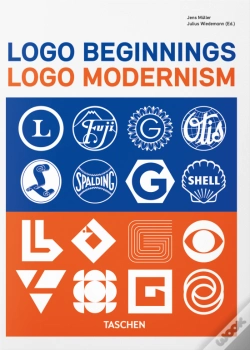
Logo Beginnings. Logo Modernism
45th Edition
language: english
Publisher:
TASCHEN, July of 2025 ‧
see product details
22,50€
10% OFF
VlZkb1dYTm1Wak5QV0VGdmVVRXhWa1pYYnpsTk1GaE1hMjEyUkZSbmRFbEdTRVpWY25OcmNYTXdiVGcxWVVoRFdUSlhPWGw1UTJsQlZWSlNkVEZpTm5Sc2IwcGtZM0V4V1hWaldYQnZjVWc1U0RCdFdYWnVOWEZwWkM5R1oyVlhOVFYyWTJaeGVsRnplRVZtUzBwbE5UbHNWSFpMVjJaU0x5OWFjVEEwVGtsWmFWaGFVbWRRT0ZOM1dITndSbWd2TUVOcE9HOUpjblJaU0VaWWRVNHJSRzR6VG5wU1REbEhiVUpEWlRGQk56UXhiVVJ4VlRGRVZtSjRSbGRYVWpKemNXeHNRVTl3YVVkSFpXTk5Va3hxWm5jdmEyRklUVmxYUkVoeVRtWXJUa2cyWjFCVFdtZDVabUpoV214MGRHRnpTWFJ5ZDNscWVUYzJSVVV5ZVdaSk4zaEpVa3N6UVRreVNYSmpRV2NyTDNNM1lubExRbTlTYzFvM09YWjVaSHBoWTJsc1IxcEhZMFpRZFdOMGEzTlVObFZxY25kdlVEWkxUMkoyZUZsak1XUXZVMmRXWkU5WE1EVklUbVpJUmxJM2MyRmthMEZKVUhaNU9VSTRVVlo2WlRneGVWRTVSU3RVZDNKMWVpOWtZekZzUmxac2NXRlZSbFpKUkdWb05uVk5aemhhT0c1WlNVNVNLeTh2U0hrd05XcFdjSEZXYlRSc1pDOXZiMXBQY0VaQ1MxVkVaVkZrVEZaNVJXZHBhR2huVkZkTmQzRjZlbkpTZDNWNmJEWXpRM1JIYkhvMVVqbEViWEZqUVRkbVIweFpTalpRYm5GUlYxbDBaMmx6TDJvclQwOHpOek0xV0dacVJ6bHVXRFZNWTNkbGVucGtPV2t6U0RSTWJXWk5kMU4zYmtaTVpEQlJRV3hXWWl0cWJGTlNXRzVRTkhkd05XNW9kR0pzVjA4eGJraHRRV2c1Wlc1eVQySXhiMFpxU1RaMlNtYzJkVTR3YkVKYU4yWjBUM0Z6VlRkVGJtaEdNVlF5UWxoQ2VuaFRhMFZSVFRGRlNXRnVUMFprYUdaalZuaERTamxMY25CV05saGFUVDA9OldzdVpQVHJ4NU9tZmN0akFoRDg3TlE9PQ==
free shipping
SYNOPSIS
Icons of Identity
A 100-year history of the origins and evolution of the trademark
By the late 19th century, trademarks began to replace traditional emblems, like coats of arms, as identifying symbols for companies. At first, logos tended to be figurative, but over time they morphed into the abstract marks that we see everywhere today. Yet many iconic brands—like Rolex, BMW, Louis Vuitton, and the New York Yankees—still use logos designed 100 years ago.
Bringing together two previous volumes—Logo Beginnings and Logo Modernism—into one compendium, design expert Jens Müller (dubbed the logo detective by Wired magazine) has trawled historical trademark archives and design publications to unearth 1000s of logos from as far back as 1870, including many forgotten designs and early versions of today’s brand identifiers.
For clarity and ease of reference, both the Beginnings and Modernism sections are divided into categories (like Pictorial, Form, Effect, and Typographic) with each category further subdivided by basic design elements, like circle, line, alphabet, overlay, dots and squares. For context, in addition to the author’s essay on the history of the trademark, R.
Roger Remington writes on modernism in graphic design, plus there are profiles of eight seminal designers—including Paul Rand, Yusaku Kamekura, and Anton Stankowski. Covering everything from media outfits to retail giants, airlines to art galleries, this is an invaluable resource for graphic designers, advertisers, and branding experts. It will also delight fans of cultural and corporate history, and anyone fascinated by the persuasive power of image and form.
A 100-year history of the origins and evolution of the trademark
By the late 19th century, trademarks began to replace traditional emblems, like coats of arms, as identifying symbols for companies. At first, logos tended to be figurative, but over time they morphed into the abstract marks that we see everywhere today. Yet many iconic brands—like Rolex, BMW, Louis Vuitton, and the New York Yankees—still use logos designed 100 years ago.
Bringing together two previous volumes—Logo Beginnings and Logo Modernism—into one compendium, design expert Jens Müller (dubbed the logo detective by Wired magazine) has trawled historical trademark archives and design publications to unearth 1000s of logos from as far back as 1870, including many forgotten designs and early versions of today’s brand identifiers.
For clarity and ease of reference, both the Beginnings and Modernism sections are divided into categories (like Pictorial, Form, Effect, and Typographic) with each category further subdivided by basic design elements, like circle, line, alphabet, overlay, dots and squares. For context, in addition to the author’s essay on the history of the trademark, R.
Roger Remington writes on modernism in graphic design, plus there are profiles of eight seminal designers—including Paul Rand, Yusaku Kamekura, and Anton Stankowski. Covering everything from media outfits to retail giants, airlines to art galleries, this is an invaluable resource for graphic designers, advertisers, and branding experts. It will also delight fans of cultural and corporate history, and anyone fascinated by the persuasive power of image and form.
REVIEWS
«A good logo is one you can draw from memory in the sand with your big toe.»
Kurt Weidemann
DETAILS
| Property | Description |
|---|---|
| ISBN: | 9783754401378 |
| Publisher: | TASCHEN |
| Release Date: | July of 2025 |
| Language: | English |
| Dimensions: | 228 x 167 x 31 mm |
| Cover: | Hardcover |
| Pages: | 512 |
| Format: | Book |
| Collection: | 45th Edition |
| Categories: |
Books in English
>
Art
>
Design and Illustration
|
| EAN: | 9783754401378 |
BOOKS FROM THE SAME COLLECTION
-
The History of Graphic Design10%TASCHEN25,00€ 10% CARDfree shipping
-
Living in Bali10%TASCHEN25,00€ 10% CARDfree shipping
-
The History of Graphic Design10%TASCHEN25,00€ 10% CARDfree shipping
-
imagem não disponívelThe ComputerThe ComputerPre-orderTASCHEN GMBH0,00€
PEOPLE WHO BOUGHT ALSO BOUGHT
-
The Package Design Book 810%TASCHEN72,00€
80,00€free shipping -
The Fundamentals Of Graphic Design10%BLOOMSBURY PUBLISHING PLC39,19€ 10% CARTÃOfree shipping