



adicionar à lista de desejos

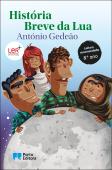
História Breve da Lua
Publisher:
Porto Editora, June of 2014 ‧
see product details
11,10€
10% OFF
CARD
WlZacWQxUkRXREl4UVhCd2MyNWFTMVJ3VFhsd1lYZHRLMUZEYWtsdVUxcHVVbll5ZWxsd2JFMVlVMjEyTURWSVpVTjJVWHB5TldkTGNrUnZlVXAzYjFab1VtUlBabE5wYlRWalZHMUhSVGc1SzJVeGRsY3ZiRk40VVc5dGRrNXdMMEZxV0VwelQwVnBjV0l2YUc5RE5tSmhPVWhNWjJ4MWFYVXJNRmRWVVdOYVZIUndlVzl2UjBOdVJtZDFSQ3RaWVV4blUybHFWbUowYkZOSVZYQnNRazFETVU0eE5VeFNkbGhFYkdWdlFYWlRSbGd2YzI5YU5rRlJVM0ZQTm5GamRGZE9Nak5WYmpKVWFGTjRObkpOWVdoU1pIWnFXVEoyUjJGT2VqZHJSRGhWYXpNdmNsVnNTR1J0VkVGRlRIUkZjMkZpTDFaSU4ydDZRMDQ0ZVRKT1VIZGxaekZwZFdodk1XOXJObGQ1VTBKTWVqRlZZMlZ4TUcxVFNUVk5hMGR1U1hKaFFrc3dOMnBqWlhKa1QwOVBZVVoxY0doNmNpOHpXbmcxWm1SQ1ZUVTBObVJLZFhOalZWRkJla3hCTkRneFVFRndWMFpsYmt4b1dscFdSMU5YYUZJcmNFVnRiblp4WWxFeVozbFZNRkJvT0N0NlRFUlpVSFZGYkUweFMwdFFSekJETVRsb1JrdDVlVzgyU0ZwU1pYUXpObXBYU1ROUmVHdFdSbmxLV1UxU0szaG1LMFJGUTBKUU5rMW5SVnBPZEZGMk5YQkxVRTVCYjFSTVp6TmtWMU5LT1VjM1RsSXphbVphTWxkYVpFaE9ZME5TUVhKS1F6TlFVa0ZHYkZob2R6ZE5TMm93ZDFWbFpYTmtiV0kwSzFwWWVscHRZMVE1UkdkVWExUndNV1Y0Y0ZveFoybzBVR3A0V0UwMWREWnpRMHB1Y21JeWJUaE5lbUppVW5wM1F6WlVjVmRzTjB4MFF6SjNlVEJ6WjNKdlFrVmhPRTlTWVVvM1kwSk9XWGhRVDNaU1luRjVVVkZYVVhGdE5YUkVNRGRLUjJGVmJFZExaa2hVZG1WemJIRjZXbFJIVDNCRWJHeEJiM3A1TkV4U2JqSkVLM05UV2tSbllWUkNiR3BLTWtGWU56RlhjSGRWZW5CWldYUkdVMmh3Vmk5WVpWQlhSamhhYXpWd1VuUkxaa2xLVlVOV2FsVlZjWFkzV0U4NFIyVnZhSEUwY1hsWVZUZHBabVZaVTNwMFFVTlFjR0ZvUmtwa0x6SmhjVzUwV214RVIxcHRNVkJyTkZwdmQweDJkMloyWVVneE1IRkhXRmhSUFE9PTphVzJhZzh3ZTlQelVqdFVON3FhUitRPT0=
IN STOCK
-
SYNOPSIS
Plano Nacional de Leitura
Leitura recomendada para o 8.° ano de escolaridade.
Vou contar-vos uma história
que espero que vos agrade.
Diz essa história que outrora
a superfície da Lua
não era como é agora…
Descobre a história (breve) da Lua, nesta divertida peça escrita em verso, com um toque sublime de imaginação.
A coleção Educação Literária reúne obras de leitura obrigatória e recomendada no Ensino Básico e Ensino Secundário e referenciadas no Plano Nacional de Leitura.
Conheça todas as obras da Educação Literária na nossa página especial. Conheça todas as obras da Educação Literária na nossa página especial.
Leitura recomendada para o 8.° ano de escolaridade.
Vou contar-vos uma história
que espero que vos agrade.
Diz essa história que outrora
a superfície da Lua
não era como é agora…
Descobre a história (breve) da Lua, nesta divertida peça escrita em verso, com um toque sublime de imaginação.
A coleção Educação Literária reúne obras de leitura obrigatória e recomendada no Ensino Básico e Ensino Secundário e referenciadas no Plano Nacional de Leitura.
Conheça todas as obras da Educação Literária na nossa página especial. Conheça todas as obras da Educação Literária na nossa página especial.
DETAILS
| Property | Description |
|---|---|
| ISBN: | 978-972-0-72707-7 |
| Publisher: | Porto Editora |
| Release Date: | June of 2014 |
| Language: | Portuguese |
| Dimensions: | 130 x 198 x 6 mm |
| Cover: | Softcover |
| Pages: | 64 |
| Format: | Book |
| Collection: | Educação Literária |
| Categories: |
Books in Portuguese
>
Children’s and Young Adult
>
Young Adult Literature
|
| EAN: | 978972072707717 |
| Recommended Minimum Age: | Not applicable |
REVIEWS
Para todas as idades
Liliana Sobreira
é uma obra curta e poética que mistura imaginação e fantasia para contar a história da Lua. Apesar da simplicidade do texto, o livro desperta curiosidade e reflexão, combinando leveza e criatividade de forma a encantar leitores de todas as idades.
Gostei do livro
Vp
Um livro que explica de uma forma simples e engraçada as características da Lua.
Muito bom
Paula Sousa
Muito bem escrito, de rápida leitura, muito leve e com um grafismo muito agradável.
História breve da Lua
Nanci Brito
Obra em poesia, pertencente ao Plano Nacional de Leitura. Trata-se de uma história contada em verso, adequada a alunos do 3º ciclo. A minha filha leu todo o livro no mesmo dia, pois é uma obra interessante.
adorei
arr
comprei este livro para o meu filho que adorou, recomendo.
História Breve da Lua
Catarina Martins
Livro muito agradável, li com a minha filha que está a frequentar o 8º ano de escolaridade e faz parte do Programa. Recomendo a qualquer adolescente.
Mais uma obra maravilhosa
Sandra Melo
Comprei este livro para a minha filha, obrigatório na disciplina de língua Portuguesa. Uma historia divertida e maravilhosa. Recomendo
Muito bom
Adriana Vieira
Este livro, segundo o meu irmão (pessoa para quem foi comprado) tem uma linguagem agradável, diálogos divertidos e é muito "fixe". Ele adorou e recomenda.
ABOUT THE AUTHOR
António Gedeão
Rómulo Vasco da Gama Carvalho was born in Lisbon in 1906 and died in the same city in 1997.
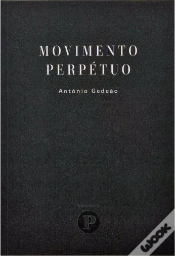
Poet, playwright, scientist, and historian, with a degree in Physical-Chemical Sciences from the University of Porto. Under his own name, Rómulo de Carvalho is the author of numerous volumes popularizing scientific culture, published in the 1950s and 60s in the "Science for Young People" collection by Atlântida, and in the 1970s in the "Scientific Initiation Notebooks" by Sá da Costa, followed in subsequent decades by several school textbooks. He also conducted research on the history of science in Portugal. As a poet, under the pseudonym António Gedeão, he is a contemporary of the "Presença" generation, but only emerged in the second half of the century, being hailed at the time of his revelation by David Mourão-Ferreira as a "completely new" voice in the poetic landscape of the 1950s (cf. Twenty Contemporary Poets , 2nd ed., Lisbon, Ática, 1980, pp. 149-153). This originality was due, among other traits, to the incorporation of the traditions of the first and second modernisms, the choice of a rigorously cadenced and rhythmic style, the expression of the collective unease and anguish of post-war Man, and the frequent use of terminology and imagery from the scientific field. Jorge de Sena (cf. introductory study to the second edition of Complete Poems , Lisbon, Portugal, 1968) and Fernando J. B. Martinho (cf. Dominant Trends in Brazilian Poetry of the 1950s , Lisbon, Colibri, 1996, pp. 428-433) point out in António Gedeão's poetry the recurrence of rhetorical devices that allow us to consider the author's poetry within the context of neo-Baroque. Perpetual Motion.
Several of his poems were also popularized through music, such as, for example, Carriche Sidewalk, The Speech of the Born Man, Black Tear and Philosopher's Stone , the latter of which, composed and sung by Manuel Freire, achieved unusual success.
BOOKS FROM THE SAME COLLECTION
-
O Príncipe Nabo10%Porto Editora13,30€ 10% CARD
-
A Viúva e o Papagaio10%Porto Editora7,75€ 10% CARD
BY THE AUTHOR
-
Obra Completa10%Relógio D'Água35,33€ 10% CARDfree shipping
-
História Breve da Lua10%Porto Editora15,50€ 10% CARD