António Gedeão
Rómulo Vasco da Gama Carvalho nasceu em Lisboa em 1906 e faleceu na mesma cidade, em 1997.
Poeta, autor dramático, cientista e historiador, formado em Ciências Físico-Químicas pela Universidade do Porto. Com o seu nome próprio, Rómulo de Carvalho é autor de numerosos volumes de divulgação da cultura científica, publicados, nos anos 50 e 60, na colecção "Ciência para gente nova", da Atlântida nos anos 70, nos "Cadernos de iniciação científica", da Sá da Costa, a que seguiriam nas décadas posteriores vários manuais escolares. Ainda neste domínio, desenvolveu trabalhos de investigação sobre a história da ciência em Portugal. Como poeta, sob o pseudónimo de António Gedeão, é contemporâneo da geração de "Presença", mas só se revelou na segunda metade do século, sendo saudado, no momento da sua revelação, por David Mourão-Ferreira como uma voz "inteiramente nova" no panorama poético dos anos 50 (cf. Vinte Poetas Contemporâneos , 2.a ed., Lisboa, Ática, 1980, pp. 149-153). Para essa originalidade concorriam, entre outros traços, a incorporação das tradições do primeiro e segundo modernismos, a opção por um estilo rigorosamente cadenciado e ritmado, a expressão da inquietação e angústia colectivas do Homem do pós-guerra ou o recurso frequente a uma terminologia ou imagística provenientes do domínio científico. Jorge de Sena (cf. estudo introdutório à segunda edição de Poesias Completas , Lisboa, Portugália, 1968) e Fernando J. B. Martinho (cf. Tendências Dominantes da Poesia Portuguesa da Década de 50 , Lisboa, Colibri, 1996, pp. 428-433) assinalam na poesia de António Gedeão a recorrência de dispositivos retóricos que permitem considerar no âmbito de um neobarroquismo a poesia do autor de Movimento Perpétuo.
Vários dos seus poemas foram também divulgados através da música, como, por exemplo, Calçada de Carriche, Fala do Homem Nascido, Lágrima de Preta e Pedra Filosofal , tendo este último, composto e cantado por Manuel Freire, obtido um sucesso invulgar.
Poeta, autor dramático, cientista e historiador, formado em Ciências Físico-Químicas pela Universidade do Porto. Com o seu nome próprio, Rómulo de Carvalho é autor de numerosos volumes de divulgação da cultura científica, publicados, nos anos 50 e 60, na colecção "Ciência para gente nova", da Atlântida nos anos 70, nos "Cadernos de iniciação científica", da Sá da Costa, a que seguiriam nas décadas posteriores vários manuais escolares. Ainda neste domínio, desenvolveu trabalhos de investigação sobre a história da ciência em Portugal. Como poeta, sob o pseudónimo de António Gedeão, é contemporâneo da geração de "Presença", mas só se revelou na segunda metade do século, sendo saudado, no momento da sua revelação, por David Mourão-Ferreira como uma voz "inteiramente nova" no panorama poético dos anos 50 (cf. Vinte Poetas Contemporâneos , 2.a ed., Lisboa, Ática, 1980, pp. 149-153). Para essa originalidade concorriam, entre outros traços, a incorporação das tradições do primeiro e segundo modernismos, a opção por um estilo rigorosamente cadenciado e ritmado, a expressão da inquietação e angústia colectivas do Homem do pós-guerra ou o recurso frequente a uma terminologia ou imagística provenientes do domínio científico. Jorge de Sena (cf. estudo introdutório à segunda edição de Poesias Completas , Lisboa, Portugália, 1968) e Fernando J. B. Martinho (cf. Tendências Dominantes da Poesia Portuguesa da Década de 50 , Lisboa, Colibri, 1996, pp. 428-433) assinalam na poesia de António Gedeão a recorrência de dispositivos retóricos que permitem considerar no âmbito de um neobarroquismo a poesia do autor de Movimento Perpétuo.
Vários dos seus poemas foram também divulgados através da música, como, por exemplo, Calçada de Carriche, Fala do Homem Nascido, Lágrima de Preta e Pedra Filosofal , tendo este último, composto e cantado por Manuel Freire, obtido um sucesso invulgar.
Bibliography
-
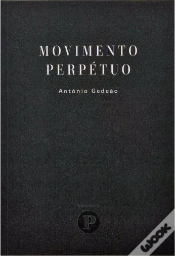
10%Movimento PerpétuoA Bela e o Monstro01-20269,90€ 10% CARD
-
10%Poemas EscolhidosGlaciar06-202215,00€ 10% CARD
-
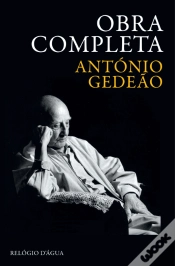
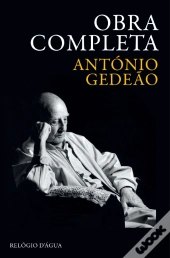
20%Obra CompletaRelógio D'Água06-202228,26€
35,33€free shipping -
10%História Breve da LuaPorto Editora10-201715,50€ 10% CARD
-
20%História Breve da LuaPorto Editora05-20248,88€
11,10€ -
Bárbara RuivaPágina a Página02-201112,60€
-
António é o Meu NomeBiblioteca Nacional11-200615,14€
-
10%Memória de LisboaRelógio D'Água07-200067,98€ 10% CARDfree shipping
-
imagem não disponívelO Texto Poético como o Documento SocialO Texto Poético como o Documento SocialFundação Calouste Gulbenkian04-199514,10€
-
A Natureza Corpuscular da MatériaLivraria Sá da Costa Editora04-19892,64€
-
imagem não disponívelOndas e CorpúsculosOndas e CorpúsculosLivraria Sá da Costa Editora04-19852,64€
-
imagem não disponívelA Energia RadianteA Energia RadianteLivraria Sá da Costa Editora04-19852,64€