
adicionar à lista de desejos

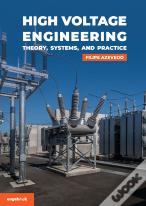
High Voltage Engineering
Theory, systems, and pratice
language: english
Publisher:
Engebook, June of 2026 ‧
see product details
26,91€
10% OFF
ZUZkUGNVUklaVXhWVEhSWU1FOUxkM3BDTVVRemMyOU1VMjFtVDBKSFFXZFlhblpxUlhOU2NuZzFNMkZMY1VKNGFGTllablJMUlhGbWRDOXJRVGhSVlRWNlZTOXJiV3BFZVdKWlEzcHlVRU0wWWk5elVtMDVhMmgxSzAxcVNIWXpNaXRCUjA5NWFXeEVRalpGYjJsVVlsSTNjMU40V21nNE5qZ3JOMUpsTm1FemIzTlVNa0pPZDNGTVNVWjBOMjlKVG5Jdk9GbHNWV05KYzFGaFpuSlVjRFZ6TkVsT0szQlRWVEJOYWtONWNtWkxTeTlVTm5CMWNGVXJjVzltWW5oSlRrMUtZa0puVDJGV2IxZ3hXVTR4VkVOb1JESXdZbEV6U2xadVlsVTBaRUprY0dOc1psTkVWRzR2Y1dwTE9FOXpMemxrWTJGU1oxcElNR3A0U1c0NVpVdElUazU1T1d4S2EwUkdUa2xIWVhscFZFeEhhRFZ6VFVGSVRtWnFla1l4Y0RWSk1sUnVaM2RETUdFemRHcGFkWFJrV1hWdVdUUjJNVzg1YTFoUmJrdEhhWFF4VTFvckwzZHVNVXhuVFZCYVJYUnBlR2RJWVdWTVIxVldaVk5MSzBWQ01rUjRVbGRNUzNOdFNFa3lORlZJV0hsR1VuRTFXVFpIUjBoemRsaE5WMVE0TjJWcEwyMHZURFk0TlhjeUwweEJXREJhU1ZOWmJFeFdWMjVsZDFOd04wSkVMMWxrYmt4MmRuSkJhVk4xYmtkeWJFbExSVmxyWm05RVYzWkhZV3RZZFhKS2NsaFNZbVk0YkU5VllsaGFNVlJFT1dFeFJuaG9ORzVtUWtOcFkySk5iV3RaYUhVM1MwMW9Nak5PVlhoWk9XWXZZM0V5VUdWUGF6UnplWE5DUmtKUFQwTjZVVGh1WTNRdmN6Sm5VazFKTjNWVVZVeFlSbTFsUm1wMVZUUjRUbkJzYjJwcGMyaFdaV1l5V1dRMkswOXBjVzlNYm1KNFJVcGtURFJIV2pKWlZGbzBaR1pRTUVsM1J6aEhWV3BPUzJ0MFVXMHpiVWxvWVhKd04yTk5jRUY1V1d4cmNub3JSVDA9OlpDM08vSTI2RmJjUHVNT1Q5MWVXL1E9PQ==
free shipping
SYNOPSIS
High Voltage Engineering: Theory, Systems, and Practice is a comprehensive guide to the principles and technologies that make modern power transmission possible. It brings together the physical foundations of high-voltage phenomena and the engineering methods used to design, test, protect and maintain real power systems.
The result is a book that speaks equally to theory and practice, offering a rigorous treatment of a field where electromagnetic fields, dielectric materials, environmental stress, mechanical forces and operational safety must all be understood together.
The book begins with the fundamentals of electric fields, dielectrics, breakdown mechanisms and atmospheric effects, then develops the core technologies of high-voltage engineering: overhead lines, insulators, cables, transformers, switchgear, grounding systems, protection relays, overvoltage phenomena, surge arresters and insulation coordination.
Throughout, the emphasis is on clear physical interpretation, analytical rigour and practical engineering relevance. A distinctive feature of the work is its strong connection to actual transmission and substation practice. The discussion is grounded in the structure of the Portuguese power system and aligned with IEC and IEEE standards, giving the book both local applicability and international relevance.
Worked examples, solved problems and design-oriented discussions help the reader move from concepts to engineering decisions with confidence.
The final chapters address testing, diagnostics, reliability, asset management, safety and an integrated substation design case study, completing a broad view of the discipline from first principles to field application.
Written for senior students, researchers and practising engineers, this book is intended to be both a teaching text and a lasting professional reference.
The result is a book that speaks equally to theory and practice, offering a rigorous treatment of a field where electromagnetic fields, dielectric materials, environmental stress, mechanical forces and operational safety must all be understood together.
The book begins with the fundamentals of electric fields, dielectrics, breakdown mechanisms and atmospheric effects, then develops the core technologies of high-voltage engineering: overhead lines, insulators, cables, transformers, switchgear, grounding systems, protection relays, overvoltage phenomena, surge arresters and insulation coordination.
Throughout, the emphasis is on clear physical interpretation, analytical rigour and practical engineering relevance. A distinctive feature of the work is its strong connection to actual transmission and substation practice. The discussion is grounded in the structure of the Portuguese power system and aligned with IEC and IEEE standards, giving the book both local applicability and international relevance.
Worked examples, solved problems and design-oriented discussions help the reader move from concepts to engineering decisions with confidence.
The final chapters address testing, diagnostics, reliability, asset management, safety and an integrated substation design case study, completing a broad view of the discipline from first principles to field application.
Written for senior students, researchers and practising engineers, this book is intended to be both a teaching text and a lasting professional reference.
DETeBook com proteção para wookreaderILS
| Property | Description |
|---|---|
| ISBN: | 9789899305311 |
| Publisher: | Engebook |
| Release Date: | June of 2026 |
| Language: | English |
| Dimensions: | 170 x 240 x 25 mm |
| Cover: | Softcover |
| Pages: | 314 |
| Format: | Book |
| Categories: |
Books in English
>
Engineering
>
Electricity and Energy
|
| EAN: | 9789899305311 |
ABOUT THE AUTHOR
BY THE AUTHOR
-
10%MATLAB: Do Fundamental à Inteligência ArtificialEngebook22,41€
24,90€free shipping