



adicionar à lista de desejos
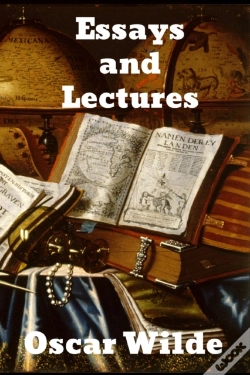
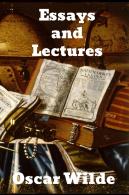
Essays & Lectures
language: english
Publisher:
Brian Westland, February of 2020 ‧
see product details
9,26€
10% OFF
CARD
U1RVNGRGSmFPR04wVkRkdlIzY3dOMFV2UVVWbVZXTlNZMDlOTURONmJUSmxUVGx3Y1dveUsyc3hMMlk1ZVVaaU9IUklRbXBOZVVacVpERjFUVTF5TlRNMGF6aGliV0ZNVms0MFFsRlFkMGczZVVkblZVWjNTMmx3YVdneWJ6UTFOVkozZDNORVFrOVFhV0V2WVdobk1FSjBhbTR3V1ZkVVYyVlJSRk5uU2pZM0syNWFla3hrYTNCdllXVnZURk5pTDFZNWVUWmliWEo0YjNCdlZGcDRSbnBzYVRBelltVlRTRFJsWjJabE0ycDNkaTlPVG1Ka1lubG1kMnd4VFUweVowaG1kbEZYTldwNmVFVm5UVFpvV1ZCU05UazVibWxWT1VsR2MxRmFVakJqT1hCRVJGWnVTMU5UWjJ0elpESk1NbXRQUkdwQ05GQkJSR3hPUmxwc1RYcENaV1ZrU0ZFNWNHcFZUR041ZDBwUFJqUmhaMDlxVFZCSmVFSmhabmh0Um5aWldEVm5VR1JLUkc1MlVXNUNUazlNU3pCTGRqUkxlalJWTjNCcFpVRlZSbmxJVjBGTVVrNTNUR0pTUkcwNFNYZDRhV05GVjFnNFZEbFpia05RWjJSa1ozUmlOVnBLYWtGdVdWbzRTbUZZTkVaWVUxaExTMnRJWmxwdlltZHFibFJRYzNKUWNEQnJNWFpaTmtSU0syOHdlVVZXVmxSSmRIVmliRUUwZUd0TWIxY3ljMVJIYURoVWQzRkJNeXRzV0hCd1ZuUXlaVkkwVFhZeGFrZDRla2xGT0dWaFQyZFlaa0pxVm5kb2QwZDNUWEJoTTJ0aFpIbHZPR3BFWVc5dFlYbzBNMjU0TWxCU1RWcE1WekpSTVUxa1RVUlVhamxUVEhaaVoySlpTbmRsTHpWUloxUjZhbVpLWXpneWRIcGxXRmhwZGt0T1kxWnVNVk5xUVcxSFR6WkphMGxDTTJkRk9YRTFjbWxPVmpkdVdFVlFjVVZwZGpnMlVrVnJkbmxLYldWb1NFVmpVbm80S3podVVsQkdNV3R6WlZwNlNIWXpOVVpqZDA1SlltZFRkR3gzS3psaWJXdDZRVU00WlVOM1lraHJlbmRpWTNkaFkyRlVZa05sUzBGWWQzVnpPRkZpU2tKNlowUXJWRUZRWjFFelR6SlJia2c0ZUd3MEwzZHRVbUYyZFhZeGJrUnhaRVpDZW5kTlUxYzROM2hXYmpoeE9HUldlVkZOYlRoMlMySTRTMmxGVkVGRWFXeHVhSGRYVnpac2JqTmFja2xHY1U1WVFtdGxVWGg2Y25kNmNteDNUM1kwUFE9PTppWGZvVERzZ2NHVnJZMVdOMUp5KzR3PT0=
IN STOCK
-
Sell your book
SYNOPSIS
This classic collection of Essays & Lectures by Oscar Wilde includes the following titles: The Rise of Historical Criticism The English Renaissance of Art House Decoration Art and the Handicraftman Lecture to Art Students London Models Poems in Prose.
DETAILS
| Property | Description |
|---|---|
| ISBN: | 9781774412176 |
| Publisher: | Brian Westland |
| Release Date: | February of 2020 |
| Language: | English |
| Dimensions: | 150 x 227 x 7 mm |
| Cover: | Softcover |
| Pages: | 150 |
| Format: | Book |
| Collection: | Welcome To Hell |
| Categories: |
Books in English
>
Fiction
>
Essays
|
| EAN: | 9781774412176 |
ABOUT THE AUTHOR
Oscar Wilde
Oscar Wilde was born on October 10, 1854. He was the second child of an Irish couple living in Dublin.
In 1871 he received a scholarship to attend Trinity College in Dublin, where he began to build his persona, with the cult of the Pre-Raphaelites, dandy clothes and the defiance of conventions.
It was during this period that Wilde became acquainted with the works of Keats, Flaubert and Pater, although, as he later said, he had already gone more than halfway there when he met them. Three years later he is attending Classical Studies at Oxford.
He is influenced by two Fine Arts professors, John Ruskin and Walter Pater.
In 1879 he was already living in London, where he would become known for the brilliance of conversations and the frequency of theaters. He wrote Vera or the Nihilists, which was not performed, and in 1881 he published Poems.
In 1884, he married Constance Lloyd, an intelligent and cultured heiress, interested in children's literature and with whom he had two children. From 1886 onwards, Wilde openly assumed his homosexuality.
He collaborated with the Pall Mall Gazette, published The Portrait of Mr. W. H., short stories such as The Happy Prince, and attacked realism in the essay The Decline of the Lie.
In 1891, The Picture of Dorian Gray appears. The novel celebrates aestheticism, criticizes its risks, and addresses homosexuality in English literature for the first time. In the same year he published The Soul of Man and Socialism.
In 1892, he edited O Leque de Lady Windermere, his first theatrical success. He returns to Paris, where he meets Mallarmé, Schwob, and has long conversations with André Gide.
But A Woman of No Importance makes even some of the most reluctant recognize her talent. And it is then, at the height of his glory, that he meets Lord Alfred Douglas, Bosie to his intimates, twenty years younger than him, of vulgar tastes, capricious and manipulative. In just two years, Wilde is driven into bankruptcy with expensive gifts, fine dining, and travel.
It is the beginning of the end. Although he also wrote An Ideal Husband, A Florentine Tragedy and The Importance of Being Earnest, Wilde's creative life began to wither.
The author of The Decline of the Lie will allow himself to be instrumentalized by his lover in the conflict that opposes him to his father, John Sholto Douglas, Marquess of Queensberry.
In 1895, at Alfred's instigation, Wilde took the initiative in a lawsuit against Sholto. The first lawsuit wins, from which, however, it is related to "acts of serious indecency". The outcome of a third trial is his conviction to two years of hard labor.
It is in prison that he writes De Profundis.
Released, he immediately left England, adopted the name of Sebastian Melmoth and settled in a modest hotel in Paris.
Wilde died in November 1900 after two months of illness. It is said that, like Chekhov, from whom almost everything separated him, he asked for champagne shortly before it expired, commenting: "I am dying beyond my means."
BOOKS FROM THE SAME COLLECTION
-
Interpretation From A To ZAXIAL PUBLISHING13,27€
-
Dear Satan...Eve Langlais9,00€
BY THE AUTHOR
-
O Gigante Egoísta e O Príncipe Feliz10%Porto Editora8,85€ 10% CARD
-
O Fantasma de Canterville10%Porto Editora9,99€ 10% CARD
PEOPLE WHO BOUGHT ALSO BOUGHT
-
The Examined Life10%Vintage Publishing17,56€ 10% CARTÃOfree shipping
-
On LiteratureVintage Publishing17,56€free shipping