

adicionar à lista de desejos
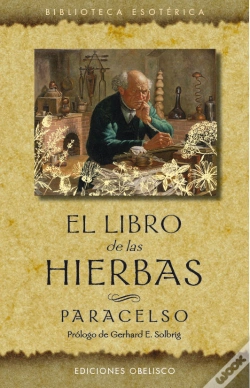
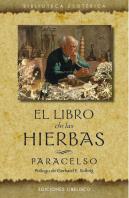
El Libro De Las Hierbas (N.E.)
language: spanish
Publisher:
EDICIONES OBELISCO S.L., October of 2020 ‧
see product details
11,21€
10% OFF
CARD
UW05NU9WbFNNMlpMU1RWUVdVUlJORXh2TjNremVUWjNkM1ZUYTJGcmNYZHJTalJXWkZOT00yUmhMMUpRUVdoQ2NTOUhRa016SzJOR1VubFpSbWM1U25WeWVrOTZWbkJ0VVRabmVIWnZPRzFKUzNwSmFFY3ZZVlJOTmtkc01uVlhZblJoYUhFeVlsVmxOSFowVWxGSlYxSmpORGRhYzJ4RE1XVkNkRkZPYjBScWNGbEJTMGRaTVV0Nk5uRkNWakE0YVd4dlFtWkNiamxDVGpONlJWcERWRWRoVUZJNFNXOWlhREZMYW1vck56bGFWUzgxVEM5SFVWUm9kMUF2TDFNNVlWY3ZkVmwwV0hKMldXRkdSV2MyZDNWdFQyOHdaa3RHUm1GRlVVUnBaalpGZDBKcFUxSm5iU3RGV1ZOV0swMDNXbTVDVlRVM01rRjZPRWM0U2pOc1JFczRiems1Ukd3MEwzY3daa04yWlhaNEx6SkViak14YWtWaFdYcHdkRVJLY0ZoeWVIbHNNREJvSzIxTVNqQldSVGxYTjBGcWRGWXZaMG92TkhsUmVUQndiMDEyYWt4TWEyUmtNRGt4UW5CcVFtZHVURVZTTmtwbFZFWTVhbXRyTTNKT1RsSkhVa0ZKV0dKRk5uTm5XVEpHTUVZeWFuaDNaekV5VUd4emJHdG9UalZJY0hZeVdGVmhNMG92VWtaNlUzZG5VV1I2UzNKQ2FsVjVOVmMxVGpoM1QxaGtiV0ZZZDFCQ01FVTRaVmQwTm05U2RIRmxaV0pOSzFkQ1FtbFJjbUY2TWtWb1QxcG9XV1Z6VkdwSE1qQlFURTQzTVRodVIyMUxUbVJ2UzA1TFJrUmtibUZsU3pOdlREQnRUWEJQVXpaRE9HOUtWRk5OWVc1aE0wMTRRMmg0ZFdaUlltSnBielZaUzBsd1MxZFBaakJCZWxORFJtZEVjVVV6UzNKemExWm5ZVzF5VjJGc2REQkdUM00xVWpkWlowaExRMEpQU2pOaVRrTkdlbTh2VkRkSWFGSm1iVmxIUW1sU2RWbzJSMlpYUmpoSE5raFhTbFZaYzB0YU4wbHBhMVpSUlcweVNHbFJNRE54YVVGVVJHUlpRaTh6UmpkUVdtSnhNbVl6V21nd1pUSnJUbTlSVDJoVGJ6VmhjblZpUmk5WFRuRkhkMWRRWWpkNVluZFRTWFJMYUc5eVEycDFNR3BaTW1KcWEwMTRSVEpoV0ZkVFlXOTJiMmhTVjFCMmRVdHNabUUyTlZaUU9HczVPRXMyVFROaldETmlRbEpVZW5FMGVFdEdMM05RTUdsWlFUVklNMDl5WmtsTVNFaEtkbVIyT1hsb1RVVlRLMUZUTm5SczprTHhtSjVveGpkL3RlbVlVYzNIRVRnPT0=
SYNOPSIS
Médico y filósofo genial, profesor de la Universidad de Basilea, precursor de la medicina moderna, Paracelso rechazó la teoría médica de su época para experimentar de acuerdo con las leyes naturales y denunció los exagerados beneficios que obtenían los farmacéuticos vendiendo remedios que no servían para nada o casi nada. Enfocó su interés más en hallar la causa de la enfermedad que en administrar a ciegas remedios que no habían sido convenientemente experimentados. Ello le valió odios encarnizados, persecuciones feroces y el rechazo casi unánime de la clase médica de su tiempo. En este extraordinario tratado, Paracelso confiesa 'haber aprendido la clasificación de las plantas en fórmulas perfectas para que los enfermos encuentren un perfecto socorro'. 'Las influencias de Paracelso, doctor en dos medicinas, llegan hasta la actualidad más palpitante, como se ve en este 'herbario''. Gerhard E. Solbrig.
DETAILS
| Property | Description |
|---|---|
| ISBN: | 9788491115960 |
| Publisher: | EDICIONES OBELISCO S.L. |
| Release Date: | October of 2020 |
| Language: | Spanish |
| Dimensions: | 150 x 230 x 23 mm |
| Cover: | Softcover |
| Pages: | 136 |
| Format: | Book |
| Categories: |
Books in Spanish
>
Medicine
>
Alternative Medicines
|
| EAN: | 9788491115960 |
ABOUT THE AUTHOR
Paracelso
Paracelso, pseudónimo de Philippus Aureolus Theophrastus Bombastus von Hohenheim, (Einsiedeln, 17 de dezembro de 1493 — Salzburgo, 24 de setembro de 1541) foi um médico, alquimista, físico, astrólogo e ocultista suíço-alemão. A ele também é creditada a criação do nome do elemento zinco, chamando-o de zincum.
O seu pseudónimo significa "superior a Celso (médico romano)". No estudo da sua biografia, facto tem sido gradualmente separado da crença, mas nenhum acordo foi alcançado no que respeita à natureza e sentido do seu ensino. É considerado por muitos como um reformador do medicamento. Também é aclamado pelas suas realizações em Química e como fundador da Bioquímica e da Toxicologia.
Aparece entre cientistas e reformadores como Andreas Vesalius, Nicolau Copérnico e Georgius Agricola, e, portanto, é visto como um moderno. Por outro lado, sempre possuiu uma aura de místico e até mesmo a obscura reputação de mago.
BY THE AUTHOR
-
40%Os Sete Livros dos Supremos Ensinamentos MágicosLIVROS DE VIDA8,75€ 30% + 10% CARD
-
10%ProfeciasEDICIONES OBELISCO S.L.14,67€
16,30€free shipping