

adicionar à lista de desejos
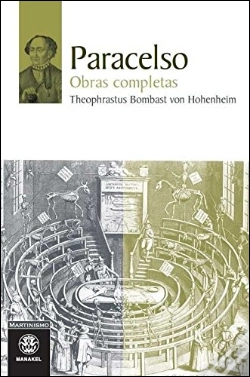
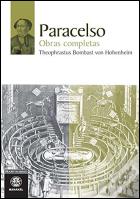
Paracelso
language: spanish
Publisher:
Editorial Dilema, January of 2016 ‧
see product details
14,27€
10% OFF
CARD
ZVRkeGMwMXJUVUZFYlhSNVkzcDZhWEJyVDJreGRURXZVV2xKVEROWlJXNDNSeXRXUVhNNFVETkNjVEo0Wm1zeWIzRmhiakp6V0RsaVpuSmFhV3B5VEd4eFlWUnZkbTVPWVRWc09GRkZNalJ1Wm1kRlNqZE9TemRtWlhKNFRETkxhVzVyT0N0bGIyNDBOREJFZFRsNE9WWkVPVVkwUW5KNGREa3JaRmh3TmtKRWNXbFlUVmMzY0hGQlNuQkZRbUZvTkc5aWEzSlhXRkpJVlhKR2RWQmtPVWxEWkVSaWNWcEVhRWhPVEZwMWRWQkJlSGhUY0hweVdWRTFOelp3VTNaclUwWkRXVFl5Y1VRcmNHeHNOazVMYWtwUWRtRnVlQzl4T0VVeFR5OWFkRWd6Vkc1TE1qQndOUzlOYUhkWFpFczNWa1JUZUZsbVVqZHdaVXhxVkVSR2NYZFJlV1JtSzFSWWEycHZOa1kzTUNzdlUxaFpSR0pzTURodlFWQmtNRzkyVG5SVE5uUTVjMDVuUVV0T1FtaE9OVXh1VEVGRWRubENPRFpHYlZFNFkwNUNLME5CVERsRE5VWllMMjF0Ym5CVk16QnplRWMyV0c5eWRrRm5OSEo2ZVhWd2REQnJSMk5PUm5GaWNYSkdjak5PVERRclJEZDNXR1Z2VDNaWVFrTmxWR2t6TjNJdmRGQm5ZelowWlVsa1UySnZRbFozUW0xaFZuQkVRek5TTTBsMVFVaFZSMm8zVGxKVmNubHNNbGh5WW5KVmRVOTRXRkV6WlhaTU1qTlVabll5V25sNlozZEVjVEJ1WTFOYVJXRnhiMDFuT1doRk5TdDNORTUxZDJzeFluVlBZMHRoVnpoTVVEUXdSRXhsTDNocllsaFFVVEp4TWl0aGIyYzVXbFZJZG00dlRVVnBOV1JvY0dOS1NHZHNlVkZWYVM5Q1VWaGpOMVpaVEhKeVpGUTJTMHh0WVhsS1ptcGlhMjVvUVV3eldYTldiRWs1UWxSMmIwRlZVa1V4Ym5STk5XTktTMlJsWmtWcFJtSkNNSEpMWW5KdWVUSk9XbnBDYm5WcllXUTFWRlpPV1hwMGRUTm5aVkF3YzBwUk9GZDFVbkJqTlRsQ1IxcDRhV0ZLYTJodWEwUnZOM0ZxU1V0dVRDOVVTRnBXTkV4Sk5XWjFNV1ZGWW5ZeFFsUlBRWGhrWW1vdk1rSlBOMWM0Y2xKalZIRjNZekZ6VFRSTFUzWnBOR2xwV25OVE0weFphVTA1UzBoNVNEaE9ObWxOU1dseWRtbDRWRFlyV21KUE5UZFNOMU5MTURGd1pGb3diblUzVWl0ME1rMUVNbW9yUWs1eUsySklXbFpwTDNwMzp6d1VMYm8wSUdFMWYvekh2QlczWllBPT0=
SYNOPSIS
Entre sus muchas aportaciones a la medicina moderna, propuso el término sinovial (el líquido sinovial es el que lubrica las articulaciones); estudió y descubrió las características de muchas enfermedades (sífilis y bocio entre otras), sirviéndose para combatirlas tanto del azufre como del mercurio; introdujo en la práctica médica el uso del láudano. Así mismo, se le atribuye la paternidad del término Espagiria. Se puede afirmar que Paracelso fue un precursor de la homeopatía, pues aseguraba que «lo parejo cura lo parejo» y en esa teoría fundamentaba la fabricación de sus medicinas. De todos modos, lo más importante para él era el orden cósmico. La doctrina del Astrum in corpore es su idea más representativa a ese respecto. Fiel a la concepción del hombre como microcosmos, puso el firmamento en el cuerpo del hombre y lo designó como Astrum o Sydus.
DETAILS
| Property | Description |
|---|---|
| ISBN: | 9788498273472 |
| Publisher: | Editorial Dilema |
| Release Date: | January of 2016 |
| Language: | Spanish |
| Dimensions: | 163 x 232 x 21 mm |
| Cover: | Softcover |
| Pages: | 334 |
| Format: | Book |
| Categories: |
Books in Spanish
>
Personal and Spiritual Development
>
Mysticism
|
| EAN: | 9788498273472 |
ABOUT THE AUTHOR
Paracelso
Paracelso, pseudónimo de Philippus Aureolus Theophrastus Bombastus von Hohenheim, (Einsiedeln, 17 de dezembro de 1493 — Salzburgo, 24 de setembro de 1541) foi um médico, alquimista, físico, astrólogo e ocultista suíço-alemão. A ele também é creditada a criação do nome do elemento zinco, chamando-o de zincum.
O seu pseudónimo significa "superior a Celso (médico romano)". No estudo da sua biografia, facto tem sido gradualmente separado da crença, mas nenhum acordo foi alcançado no que respeita à natureza e sentido do seu ensino. É considerado por muitos como um reformador do medicamento. Também é aclamado pelas suas realizações em Química e como fundador da Bioquímica e da Toxicologia.
Aparece entre cientistas e reformadores como Andreas Vesalius, Nicolau Copérnico e Georgius Agricola, e, portanto, é visto como um moderno. Por outro lado, sempre possuiu uma aura de místico e até mesmo a obscura reputação de mago.
BY THE AUTHOR
-
40%Os Sete Livros dos Supremos Ensinamentos MágicosLIVROS DE VIDA8,75€ 30% + 10% CARD
-
10%ProfeciasEDICIONES OBELISCO S.L.14,67€
16,30€free shipping