



adicionar à lista de desejos
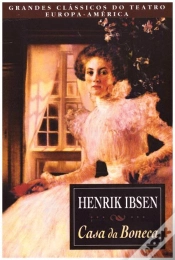
Casa de Bonecas
Livro de bolso
Book
eBook
Publisher:
Penguin Clássicos, November of 2024 ‧
see product details
9,86€
10% OFF
ZFUxS1ZTOXlNMVZSUzNOemJXZHVkVzltTUd4SVdVeGljVVZ3Y0hVcmVGTTNUV05xWVdOTE5HUjFVMFI2ZDJZeU1FcEpNR2hMU0VGUFNIbG9NQzlwU1RGWWRVWXlLMFJGVWtWbE1HaFVaVko1VDJGdGJGRk1MekZGWW5KaVdtZ3hWQzlWY0RkdGFrZFpRMUUyUlVVdk9UWlpjek41VEdSc0wwY3hSR3huY0Voc1lUQTVTM3BEUVhac1pqbEtjMnc0UXpBclNrVndNWGxuZGpKTU5FbEVOVTVYZEhkbk5FRXpTVVpXV2swMVVWRjZSbXA2S3paME5UaE9XVTB6ZW5CSlJrVlJhM2RCTm5SaU0xSlJhVVZGYnpScGJ5dElSbkZ4T0ZORFJITXZiekJWUWxwb2NFTmFPRWRzU1VrNVEzUXdOMWRxVkUxM1ZXTlhhV3N3U0hwVlpHaFhWV1J2WVVVeVVHMTNUMEoxVTBKUGNVUjZUWG8zWlhGb2VDOW1jWEpQZVZaclFWaE5hME5XYm5Gd04wVnFjR2g0V1N0c1oycDNlREJuVlZobU1GUXpZa0ZETDNvM2JtMDVSbVp2ZFVkTGNGTnhNRWhYUTIxaE5WUnBOVTFYTUhBNE0wZEJSbFJOWkdjNEwyTkVVa0ZCUkZSVGJsUnhTRXBIVG0xMVNFaHBhVWhoUmlzdmMwaE5TR1p4ZEhCWFNTOUpSVEpDVUM5U1JsRXpaRlJIVnpFdmExSjBWRkpMZDI1TGFYZFViVGxDZVc1TVJuWm9VVFl4YzNWYVRIQkZUMWRNUTNkclpHa3hXa1U1TWtOVFduWTJVVEZKYW5kMVRUUm9lakJ0Tnl0cU1IUjFNbGgwU0hoRFNsWllRVEYyVERaUlJtdGFlWFJ0VlRORGNXSmhhRFJ4Y0dKVGJHcDFNbGhsTDBGYVVuQXdVVGcyZDFoek4zQXJVMVpFUkVzelp6QXlWWFZLWlRsQ1JFVmthMU5xTm1nNU4wVndSWEpOYzAxME9EQXhZaTkyOjlZblY1Q285OXZtcTEyZ0VJbmlUaHc9PQ==
IN STOCK
-
RECOMMENDED BY THE NATIONAL READING PLAN
SYNOPSIS
«Tenho de saber quem tem razão: a sociedade ou eu.»
Nora vive o sonho burguês do final do século XIX: casada com um quadro superior num banco, tem 3 filhos e vive uma vida desafogada. No entanto, esconde um segredo que, se descoberto, pode destruir este idílio e atirá-la para as mãos da justiça, condenando assim a família à desgraça. O terror anunciado chegará através de um homem sinistro, impondo uma revolução indesejada, mas inevitável, na vida e na consciência desta mulher.
Levada à cena pela primeira vez em 1879, Casa de Bonecas chocou a sociedade da época pela exploração realista que faz do lugar da mulher na sociedade e na família, e pela denúncia da falsa moralidade que lhe é imposta. > discussão em torno da ação transbordou dos palcos para os jornais e salões da época e confirmou Ibsen, obreiro de uma extraordinária modernização do teatro, como um dos dramaturgos mais influentes da literatura ocidental.
Nora vive o sonho burguês do final do século XIX: casada com um quadro superior num banco, tem 3 filhos e vive uma vida desafogada. No entanto, esconde um segredo que, se descoberto, pode destruir este idílio e atirá-la para as mãos da justiça, condenando assim a família à desgraça. O terror anunciado chegará através de um homem sinistro, impondo uma revolução indesejada, mas inevitável, na vida e na consciência desta mulher.
Levada à cena pela primeira vez em 1879, Casa de Bonecas chocou a sociedade da época pela exploração realista que faz do lugar da mulher na sociedade e na família, e pela denúncia da falsa moralidade que lhe é imposta. > discussão em torno da ação transbordou dos palcos para os jornais e salões da época e confirmou Ibsen, obreiro de uma extraordinária modernização do teatro, como um dos dramaturgos mais influentes da literatura ocidental.
DETAILS
| Property | Description |
|---|---|
| ISBN: | 9789897847936 |
| Publisher: | Penguin Clássicos |
| Release Date: | November of 2024 |
| Language: | Portuguese |
| Dimensions: | 123 x 193 x 10 mm |
| Cover: | Softcover |
| Pages: | 200 |
| Format: | Book |
| Categories: |
Books in Portuguese
>
Fiction
>
Theatre (Work)
|
| EAN: | 9789897847936 |
REVIEWS
Crítica social e pensamento humanista
Cátia M.
Ibsen foi influenciado pelo pensamento filosófico, do humanismo ao existencialismo, e, ainda que se declarasse alheio a ele, também pelo pensamento feminista. Daí resulta uma vertente de crítica social que imprime à sua obra uma intemporalidade impressionante. Nora já não nos choca, mas continua a ser uma personagem admirável.
ABOUT THE AUTHOR
BY THE AUTHOR
-
Casa da Boneca10%Publicações Europa-América15,00€ 10% CARD
-
Teatro I10%NORDICA LIBROS S.L27,06€
30,07€free shipping
PEOPLE WHO BOUGHT ALSO BOUGHT
-
Frei Luís de Sousa10%Penguin Clássicos7,97€
8,85€ -
Tito Andrónico10%Penguin Clássicos11,30€
12,55€