







adicionar à lista de desejos
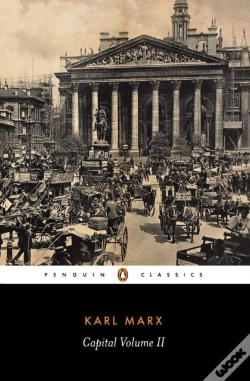
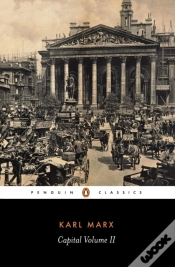
Capital
Volume Ii
language: english
Publisher:
PENGUIN BOOKS LTD, May of 1992 ‧
see product details
22,97€
10% OFF
CARD
ZVdWNFVtcFFVMDlYZVVkT2NVOHlVVlIwTDJOd1ZWTlZiMXB1ZERnMGJVTkJRak54WjFOdWNsWnBTWGROVFhoM2REVXZaa1UxVkZGdFJHSktZMEZwWVZob1NWb3pNRFJUVUhnMU9XOU5kRTVQUkhCWVlYSk9WeTlOZVVOeWFGVk5XblZKY1hGelFreHhRbVpNTkVKa2FrTnZUV1phUmpadGIyTnNjVkkzWkZWMWRsSnRlRFpNU0hkQ2JEUTFORWxWV2xsYVFpdHNjbmhMV21kQmQyUlNiMDh3VmpSVmRVMUZTbUp6YVZobGRHd3JZVkF2UkVRMWJWRmpSVkZHVGtod1MzTmpVMUJHY0hGeWEyeG5SR04zWlZsR2J6aGpkSGcwYjBRclp6WjRVa1JhVkVsVGMyUjBjM00yYTFKWFQxcHZXSHBaZEU1cFltZFlaVkJvVjNOalpISjJiRlJxVW5GS1JFdGxTbFZxU0hkMmJGWm1Wamw0TlRocVJ6aG1OM2wxTkN0SU9XZGllbFowWkZSVGF6VlJTMXBLU1dkMVNGTTFMMGRET1RWRU5tNDFWalJUTjNwTFVXZEJZMmRxWjJKRFQxSnphbVpYVUdrMGJVRnRLMll6VVhSRU4yMXFRbmgzU0haek1XZE5la3g2WTFkalNqRmpWekl3WW5BMFV6bHdaVFl4VVdoUGVXWXZTMEZ6VVdsUGJEVlNPVTl6V1hZdlVqQmpWVVJ6VGs4elExZDNWR016T1hOR1dWZDBVVmxhUWs5d05GWk9ibWhCYUdoQk1sRmhNbll6TldsRVRFUkJSR1IyYVRsM1MzcFVhM3BaUTJSQlpXcFNlR2t4Tm1FM2MzVTRSelUzTHpGWVdrSmtOVWxYTjA5TlZVOVdNV1I0WW01V2VtNUtOMVZMVEUxWFdUaG5TR2RzY0ZwRVpYaDFTbk0wTUU5d0t6WlFjM2ROVFVwQlJXSnhkWEl2Um5KS1owTTJiRGQzYjFGMGRsRXdjV2hyVFhvMlNHTnlMMGRXVlZwQ01uWjBUMlZyYTFOU1UwSkJZa1ZQWTNkUlIybFRZVUZSZUdkVmVGb3hZM0p0U0VKR1NVODRObWx2VDFvMlJXeHBXR3RETDNGdloyRXZURWN6YjBjeFpHczJaa1owUVhVMVJqRjFWbmRZSzNORFkwMHJVVmg0TVZCME1YVlNXWEUxUjNadlJHZHJRakY0UkdwYVUyOHpTREJvY1dGRFozUTNTRTR2WjJrM2MzSkhXR050U0dSNE1EWkJjakZaV0RaNWVFZDJOVzk0U2tzM1FrNWhNRTlaZDJFd2RrbEdZMWh2UFE9PTpBNkNMWlRQdW9HWi9XMkwwUkw0MVZ3PT0=
IN STOCK
-
free shipping
Sell your book
SYNOPSIS
The "forgotten" second volume of Capital, Marx's world-shaking analysis of economics, politics, and history, contains the vital discussion of commodity, the cornerstone to Marx's theories.
DETeBook com proteção para wookreaderILS
| Property | Description |
|---|---|
| ISBN: | 9780140445695 |
| Publisher: | PENGUIN BOOKS LTD |
| Release Date: | May of 1992 |
| Language: | English |
| Dimensions: | 128 x 201 x 27 mm |
| Cover: | Softcover |
| Pages: | 624 |
| Format: | Book |
| Collection: | Capital |
| Categories: |
Books in English
>
Politics
>
Politics in General
|
| EAN: | 9780140445695 |
ABOUT THE AUTHOR
Karl Marx
Filósofo alemão nascido em Trèves (Renânia) em 1818. Acerca dele se afirmou: «No século dezanove foi o pensador que teve, de longe, a influência mais direta, deliberada e poderosa sobre a Humanidade» (Isaiah Berlin). Sensível aos problemas sociais da época, foi influenciado pelas doutrinas do socialismo utópico de Saint-Simon, Charles Fourier e Robert Owen e pelas teorias da economia política de Adam Smith e David Ricardo, que tentou superar.
O pensamento de Marx define-se essencialmente em oposição ao idealismo hegeliano, embora dele retome a conceção dinâmica da realidade e os princípios da dialética, reinterpretando-os à luz de uma conceção materialista. A crítica fundamental que faz a Hegel é a de que este apenas se apercebeu do desenvolvimento espiritual abstrato, quando a ideia não é mais que «a matéria, trasladada e transformada na cabeça do homem», provocando, simultaneamente, uma inflexão no agir filosófico, afastando-o do domínio puramente teorético para o inserir na esfera da intervenção prática - «até ao presente, os filósofos só se têm preocupado com a interpretação do mundo segundo várias óticas. Todavia, o problema está em ser capaz de o transformar».
Recusando a transposição hegeliana do facto empírico para o plano metafísico, defende que não é a consciência do homem que determina o seu ser, mas o seu ser social que determina a consciência. É a partir dessa premissa que Marx constitui o sistema do materialismo histórico, segundo o qual os processos económicos estão na base de toda a evolução da humanidade, considerando todas as restantes manifestações socioculturais como meras superestruturas ideológicas, estritamente determinadas pelas relações de produção vigentes.
A história das sociedades é encarada como um longo processo dialético em que as classes oprimidas, vítimas de relações de produção desiguais, se revoltam contra as classes dominantes, instaurando uma nova ordem económica. A luta de classes percorre, portanto, todo o devir da humanidade, desde a antiguidade (sociedade esclavagista em que se opõe ao homem livre o escravo), passando pela sociedade feudal (oposição entre suserano e servo), até à sociedade capitalista, na qual a revolução do proletariado, através da abolição da propriedade privada e da coletivização dos meios de produção, suprimirá todos os antagonismos, instaurando o comunismo e a sociedade sem classes.
Marx debruçou-se em particular sobre a formação e a essência do capitalismo considerando que este se fundamenta numa apropriação indevida da mais-valia gerada pelo trabalho numa lógica de acumulação e concentração de riqueza que deixa completamente de lado a função social do trabalho e reduz o proletariado a um estado de alienação em que o trabalho deixa de ser um fator de realização pessoal. A religião, que classifica como «ópio do povo», associa-se a esse processo de alienação, prometendo aos proletários uma satisfação extramundana em troca da sua submissão à ordem estabelecida.
Marx morreu em Berlim em 1883. O seu sistema, desenvolvido em grande parte em colaboração com Friedrich Engels (1820-1895) e imbuído de objetivos sociais reformistas e emancipadores, marcou decisivamente toda a filosofia política contemporânea.
BOOKS FROM THE SAME COLLECTION
-
10%CapitalPENGUIN BOOKS LTD25,67€ 10% CARDfree shipping
-
10%CapitalPENGUIN BOOKS LTD27,04€ 10% CARDfree shipping
BY THE AUTHOR
-
10%Manifesto do Partido ComunistaRelógio D'Água15,00€ 10% CARD
-
10%The Communist ManifestoPENGUIN BOOKS LTD5,41€ 10% CARD
PEOPLE WHO BOUGHT ALSO BOUGHT
-
10%The Communist ManifestoWORDSWORTH EDITIONS LTD8,10€ 10% CARTÃO
-
10%The Communist ManifestoOxford University Press6,75€ 10% CARTÃO