


adicionar à lista de desejos

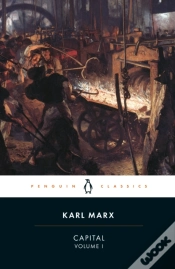
Capital eBook
Volume I
language: english
Publisher:
PENGUIN BOOKS LTD, February of 2004 ‧
see product details
14,99€
10% OFF
CARD
UVdFMEsyeFRSamMwWldsRVYwaHhhU3RWVjFCRFEzWnBNVUpOWkRoR1puaHBTalZsT1V4MVMyOU9VMWhXYVZwSlpVWXlORkEyYzJ0V1kzaEJZWFJTTjJaV1lucGpWWEZTWW1kd1JrZDRRMlpzY0U1TlZWcG5PWFZGYUZRMU5IVjZRU3RqVW1OdksydEZjVFZNU3pCTlpXTlRiRTFxWkU1a1VEWkhTM2h5ZFhWM05FZ3pTalF3UzBkNWIwNU1aUzlrWW1aWGEwSjJaRGxWTTNOc2RWcExRemRsY2twMmR6bExaa1pDTkhsSWRubDRkMnRaVTBKYWFXSTJMMWRuV25oMUsyNHJabmw0U21oc1NVWXpRbTlIYXpaSlNrdE1PVGxCUzJ4aVVHVkJhSEJ0VHpkUFNrVmtla0ZLUkN0NmJXOU9SVVpsTm5wVVVsbFFObTU2WTJ0SlQzTXlaMEl6Tm1WTmJUUkZOMVl3UlZKcVRraGxkelJYY1RaVFJVSmhVSE5HVGxSeGVuTmxVamd6VlV4ek9HbEtWVlZHVEVjMVozQllTRVZ5UmpZclRGcG9PWE5LV1ZZMlNFTjJlbXhOUTI5cVltY3pTM3B3ZUhOdk1tUkxlSHB0UldWYVNHNXBlSEZPUzFnNGNDdDFZMDQxTjFSc1FtcDVlakJtVmk5RFJtNWpPR3RhVFRSWk9XNUxiVzQyWjNVM00zTlpZM1pJY3pWR2VUa3ZjbTlyWWpsRFF6aDZUVnA0UlRoQmIyZHBZMjVUVmt4amRDOVpiVU51UWtKWE9FNXlZM0ZOVVRNck1HNUhZWEkzYUcxamJYWlhORnBQVTI1U1ZrVXZVbXBzYTJKTFNrbGhWMWsxWkVZclExRlVVemcxYkVsc1RsVlVabFpTVFRnclVWSkpWRWhSVjJWVlF6VnRUMmR6Tlhkc1l6TjRNbGswYTJaSVVEZ3ZZbU5OUm14U1MxRlJlbXhNY1hWdmFTdHVZazFzVkhjNGFuZGFRVkpaTlRaWVptaG9jbUV2Y2tKNFVXaDVUakJ0ZFhkM2IzcFhRWFpTVlVNME9XbEhhVmRZTjJwV1NURnFibUZRVTFscmNqTXpPR2g2YlRkc1FqUlphVW8wVTNRMlJTOHpaa0k0T1hwT1dWQkJOalpuU25aWVZtcHRVVkIzVlM4elNGSlFXV292Y0RsYVpGRmFXa05tU25sTlNWVnJTVEZNY1V4dk9HMXVPRGcxTW5kQmR6aERSMEYyUTI1YVYyWXJWa3cxTjNSWWNIRXJhVFJIY1ZONk9Xb3ZOMlkxV214WWRWQmFSekZHUTJkUlJIbFhlVGhOUFE9PTozMTI3akNLUTRHeUx2TGpBL2dOL1FnPT0=
IMMEDIATE AVAILABILITY
Ebook for ADE
SYNOPSIS
Presents a critique of private property and the social relations it generates. This book argues that capitalism would create an ever-increasing division in wealth and welfare, predicting its abolition and replacement by a system with common ownership of the means of production.
DETeBook com proteção para wookreaderILS
| Property | Description |
|---|---|
| ISBN: | 9780141920603 |
| Publisher: | PENGUIN BOOKS LTD |
| Release Date: | February of 2004 |
| Language: | English |
| Format: | eBook |
| Collection: | Capital |
| Categories: |
eBooks in English
>
Politics
>
Politics in General
|
| EAN: | 9780141920603 |
| Acessibilidade: | Ver características de acessibilidade indicadas pelo editor |
ABOUT THE AUTHOR
Karl Marx
Filósofo alemão nascido em Trèves (Renânia) em 1818. Acerca dele se afirmou: «No século dezanove foi o pensador que teve, de longe, a influência mais direta, deliberada e poderosa sobre a Humanidade» (Isaiah Berlin). Sensível aos problemas sociais da época, foi influenciado pelas doutrinas do socialismo utópico de Saint-Simon, Charles Fourier e Robert Owen e pelas teorias da economia política de Adam Smith e David Ricardo, que tentou superar.
O pensamento de Marx define-se essencialmente em oposição ao idealismo hegeliano, embora dele retome a conceção dinâmica da realidade e os princípios da dialética, reinterpretando-os à luz de uma conceção materialista. A crítica fundamental que faz a Hegel é a de que este apenas se apercebeu do desenvolvimento espiritual abstrato, quando a ideia não é mais que «a matéria, trasladada e transformada na cabeça do homem», provocando, simultaneamente, uma inflexão no agir filosófico, afastando-o do domínio puramente teorético para o inserir na esfera da intervenção prática - «até ao presente, os filósofos só se têm preocupado com a interpretação do mundo segundo várias óticas. Todavia, o problema está em ser capaz de o transformar».
Recusando a transposição hegeliana do facto empírico para o plano metafísico, defende que não é a consciência do homem que determina o seu ser, mas o seu ser social que determina a consciência. É a partir dessa premissa que Marx constitui o sistema do materialismo histórico, segundo o qual os processos económicos estão na base de toda a evolução da humanidade, considerando todas as restantes manifestações socioculturais como meras superestruturas ideológicas, estritamente determinadas pelas relações de produção vigentes.
A história das sociedades é encarada como um longo processo dialético em que as classes oprimidas, vítimas de relações de produção desiguais, se revoltam contra as classes dominantes, instaurando uma nova ordem económica. A luta de classes percorre, portanto, todo o devir da humanidade, desde a antiguidade (sociedade esclavagista em que se opõe ao homem livre o escravo), passando pela sociedade feudal (oposição entre suserano e servo), até à sociedade capitalista, na qual a revolução do proletariado, através da abolição da propriedade privada e da coletivização dos meios de produção, suprimirá todos os antagonismos, instaurando o comunismo e a sociedade sem classes.
Marx debruçou-se em particular sobre a formação e a essência do capitalismo considerando que este se fundamenta numa apropriação indevida da mais-valia gerada pelo trabalho numa lógica de acumulação e concentração de riqueza que deixa completamente de lado a função social do trabalho e reduz o proletariado a um estado de alienação em que o trabalho deixa de ser um fator de realização pessoal. A religião, que classifica como «ópio do povo», associa-se a esse processo de alienação, prometendo aos proletários uma satisfação extramundana em troca da sua submissão à ordem estabelecida.
Marx morreu em Berlim em 1883. O seu sistema, desenvolvido em grande parte em colaboração com Friedrich Engels (1820-1895) e imbuído de objetivos sociais reformistas e emancipadores, marcou decisivamente toda a filosofia política contemporânea.
BOOKS FROM THE SAME COLLECTION
-
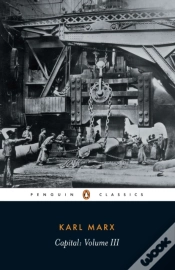
10%CapitalPENGUIN BOOKS LTD25,67€ 10% CARDfree shipping
-
10%CapitalPENGUIN BOOKS LTD22,97€ 10% CARDfree shipping
BY THE AUTHOR
-
10%Manifesto do Partido ComunistaRelógio D'Água15,00€ 10% CARD
-
10%The Communist ManifestoPENGUIN BOOKS LTD5,41€ 10% CARD