
adicionar à lista de desejos
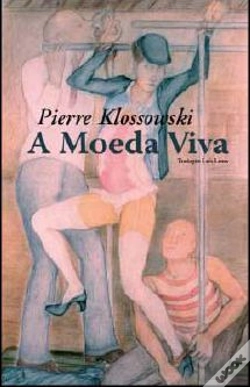
SYNOPSIS
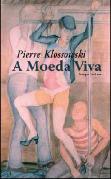
A Moeda Viva é uma espécie de fábula humorística e filosófica em que o autor imagina uma economia baseada não nos bens materiais, mas nas forças pulsionais. Da análise económica à meditação teológica, passando pela ficção utópica, este livro atravessa toda a temática de Klossowski, a qual inclui o paralelismo recorrente entre o corpo e a linguagem.
PRESS REVIEWS
«Numa época em que se assiste a espectáculos literários medíocres, voltar a ler Klossowski é, também, uma espécie de reacção contra uma realidade pantanosa. Apesar do seu silencio a obra deste escrito "maníaco" continuará a pulsar.»
Jorge Henrique Bastos, Expresso
DETeBook com proteção para wookreaderILS
| Property | Description |
|---|---|
| ISBN: | 9789726081944 |
| Publisher: | Antígona |
| Release Date: | February of 2008 |
| Language: | Portuguese |
| Dimensions: | 129 x 208 x 8 mm |
| Cover: | Softcover |
| Pages: | 90 |
| Format: | Book |
| Categories: |
Books in Portuguese
>
Social Sciences and Humanities
>
Philosophy
|
| EAN: | 9789726081944 |
ABOUT THE AUTHOR
Pierre Klossowski
Pierre Klossowski nasceu em Paris, em 1905, no seio de uma família de origem polaca. Era o irmão mais velho do célebre pintor Balthus. O pai era pintor e historiador de arte. A mãe fora discípula de Pierre Bonnard, um dos mais importantes pintores franceses da primeira metade do século XX. O facto de a família ter estado assim ligada às artes foi determinante para a formação dos dois irmãos, que privaram por exemplo, durante a sua adolescência, com figuras tão determinantes como Rilke e André Gide.
Em 1935, após ter frequentado, durante algum tempo, o meio da Sociedade de Psicanálise Parisiense (em cuja revista publica aliás o seu primeiro texto sobre Sade), Pierre Klossowski entra em contacto com Georges Bataille, com o qual estabelecerá uma amizade que durará até à morte deste último. Será graças a Bataille que Klossowski virá a encontrar Breton e Maurice Heine, no grupo "Contre-Attaque", e que, mais tarde, colaborará com a revista "Acéphale" e se aproximará de André Masson.
Durante a Ocupação, fará estudos de escolástica e de teologia, na faculdade dominicana de Saint-Maximin, e depois em Lyon, no seminário de Fourvière e, finalmente, em Paris, no Instituto Católico. Isso não o impedirá, contudo, de estabelecer contacto com várias redes de resistência. Ainda depois da libertação de França, colaborará com a revista ecuménica "Dieu Vivant".
O ano de 1947, porém, marca uma grande viragem na sua vida. É o ano em que Klossowski se casa e publica uma obra que faria data, "Sade mon prochain". Trata-se do início de uma carreira literária absolutamente notável, marcada pela publicação dos romances "La Vocation suspendue" (1950), "La Révocation de l'Édit de Nantes" (1959), "Roberte, ce soir" (1954), "Le Souffleur" (1960) e "Baphomet" (1965; Prémio dos Críticos 1965). Publicou ainda os ensaios "Le Bain de Diane" (1957), "Un si funeste désir" (1963) e principalmente uma extraordinária obra exegética intitulada "Nietzsche et le cercle vicieux" (1969). Nos derradeiros vinte anos da sua vida, dedicou-se quase exclusivamente à pintura.
Morreu em Paris a 12 de Agosto de 2001, seis meses após a morte do seu irmão. Tinha 96 anos.
BY THE AUTHOR
-
10%Du Signe Unique ; Feuillets InéditsLES PETITS MATINS13,23€ 10% CARD
-
imagem não disponívelNietzsche And The Vicious Circle10%Nietzsche And The Vicious CircleTHE UNIVERSITY OF CHICAGO PRESS44,61€ 10% CARDfree shipping
PEOPLE WHO BOUGHT ALSO BOUGHT
-
10%A Parte MalditaFim de Século Edições19,00€ 10% CARTÃOfree shipping
-
10%O Único e a Sua PropriedadeAntígona10,00€ 10% CARTÃO