

adicionar à lista de desejos
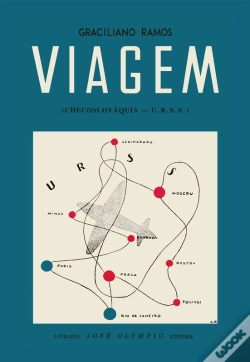
Viagem eBook
language: brazilian portuguese
Publisher:
José Olympio, February of 2022 ‧
see product details
4,99€
10% OFF
CARD
U2xrck1HTm1SVFZxZWxjME5HMWpRMDlUUkhad1VERnZkamRTT0VwRFVrSktjRnBEWm0xeloxbDBNME5uWVZkc1MycHhNVXRqVVhCbGNqaHBaVWxRYVRjNWIxUkNVa3R2YW1sTk5GRlFTekZXVG1ORVFuVnRka2wwTVVjek5GcEVXakJXYldKR2IySnlVbFo0TWpoNldXRmpOVWhaSzNoVVp6QjNNbkl4YzAxUE5XaGlWM1JxVG1acWRVbG9kbGhqWlhJNFpWaGxSa3RXZVV0RGRHOTViRlowTmt4cFZVZ3JhV3hNTjBKYVMzWlJLMngzT0dWVmJVcE9abFJ0UzNCc2MyZDVVekpyYjBaUldHdGhiVXd4VEROYWJGSk5aR3MwTkVvMlZXSm5Xa1EzU201Q1dqbHFZa1JPVUdwc1ZtaEZiakZsYzFWNWMyNVpObVV5TTFjMksxaHJWRXA0UTFGRFMwdGFNVkkyZEd4cU1tSnNUbUV4VFdWelV6bHRVa2xqYVV3M09WbHhXbEJUVFRWMGJXbGhjek12UkZwV01FOTFNMnBYUkdWT1JYZHZjV2xHZWtWNlZFSmpiak5ZYzJoeFEwZzFRbVpoVEZkNVdGRlhhMDEzUmxBMFFuUnZXRkJKVFU5cVNrWmxiSEJRTDBnMWNGTjVTRUUzVG04d1dURkNabXBMYkZCSE56VTFkMWhCVkZoVlRVSjROa1ppTURaeGNuUk1PR0lyU205Wk1HSkhTR0ZzYWtvM1IzTmxhRU5uVmtrd1ZYbDJiM05PZG0wNGVWRnBjV0ZOVWxaek9HUkJTMDlRVTA1U2QwcFVkMFJaY1V0SlIwSlJZV0pDWm1SWFRHSmlWMmMwUVhNeU5VNTRZWFZyTURKb1JUQldSekozV2xsM1QzYzVWa2QxU1RSU1pqaHpVV05VUXl0VFVHMDFkRTF4T1ZsWU9GWjFNalZKVDJKTWQwMHpkR1Y2VGpVd1kyeFpSa0pYYjJaWVRqVTVlSFphYVVoUmJqazRaV2xzTWxrME1DdEhRMm8zV1hGTlYza3ZhV1ZoTTIwMFQxUTBOVUV6U0RGU2RXNHhTWGxxTnl0SVQzZ3lUbkJaYVROM2RqaDZURzl6V1dnMlFsaG5kVGhaYXpSbWJHMWFWMkl5ZEdSeE9IWTFSMVZHUVdzM1dGTXlkMmRrTUU4MVNVRmxhMjFsYVhkYVpHVkNhV3BJV1hWNGIzSk9SbkZsY2xsb09HOUxUa1pPVnpFM1RVZHdaRVp0UVRSdVFqQk9ia1JOUW1wRmEwRlJTVlZQZEVwcU1WcFFTemN4UWxONlNuazBSMnRWUFE9PTpCdzlNNW50ZEZRcHlaMDdtSkJoSCtnPT0=
IMMEDIATE AVAILABILITY
Ebook for WOOK READER
SYNOPSIS
Viagem reafirma o compromisso de Graciliano com a justiça social sem negociar sua liberdade literária. Um relato imprescindível de uma época de fortes paixões políticas e ideológicas.
A primeira metade do século XX ardeu e fomentou ideais e revoluções. Ao fim da Segunda Guerra, o mundo estava dividido sob a égide do capitalismo ou do socialismo e muito se falou acerca do papel social da arte e de seu compromisso com causas populares. Em 1945, Graciliano Ramos, já considerado um grande escritor, filiou-se ao Partido Comunista do Brasil, a convite de Luís Carlos Prestes, e viu-se diante do dilema da conciliação entre sua posição política e sua produção literária.
Apesar de integrar o "Partidão", Graciliano Ramos resistiu a pôr sua obra à disposição dos dirigismos em voga. Passou a sofrer ataques dos militantes mais aguerridos, que viam em sua integridade intelectual uma resistência isentiva. Em meio a desgastes em sua relação com o partido, os dirigentes convidaram-no para uma viagem para a Checoslováquia e a União Soviética, em 1952. Desejoso de conhecer o país que liderava um movimento global revolucionário, e de desvencilhar o próprio julgamento da condenação distorcida articulada pela imprensa ocidental, o escritor embarcou na viagem que inspirou este livro.
O talento narrativo de Graciliano Ramos e sua recusa a transformar a literatura em veículo de propaganda fazem de Viagem um relato autêntico e prazeroso da experiência em terras soviéticas nos primeiros anos de Guerra Fria. Ao fim desta edição, encontram-se as anotações que deram origem ao livro — o último escrito por Ramos e publicado somente um ano depois de sua morte, ocorrida em 1953.
A publicação desta edição faz parte das comemorações dos 90 anos da Editora José Olympio, a primeira casa de livros a editar Viagem. Aqui são apresentadas aos leitores e leitoras fotografias raras do velho Graça entre seus companheiros, registradas em terras soviéticas. Tanto as imagens quanto a capa, com ilustração assinada por Cândido Portinari, reproduzem elementos da primeira edição do livro. imprescindível a todas as pessoas que, diante de um mundo polarizado, enxergam a importância de ver por entre os vícios midiáticos e românticos em torno do comunismo.
DETAILS
| Property | Description |
|---|---|
| ISBN: | 9786558470816 |
| Publisher: | José Olympio |
| Release Date: | February of 2022 |
| Language: | Brazilian Portuguese |
| Pages: | 182 |
| Format: | eBook |
| File Format and Compatibility: | |
| Categories: |
eBooks in Portuguese
>
Fiction
>
Other Literary Forms
|
| EAN: | 9786558470816 |
| Acessibilidade: | Ver características de acessibilidade indicadas pelo editor |
ABOUT THE AUTHOR
BY THE AUTHOR
-
Vidas Secas10%Manufactura12,97€
14,41€ -
A Testemunha10%E-primatur21,51€
23,90€free shipping
PEOPLE WHO BOUGHT ALSO BOUGHT
-
O que É Amar um País. O Poder da Esperança.eBook10%Quetzal Editores7,99€ 10% CARTÃO