Graciliano Ramos
A 27 de outubro de 1892, na cidade de Quebrangulo, em Alagoas, nasce Graciliano Ramos de Oliveira, um dos maiores romancistas da história da literatura brasileira e latina, primeiro dos 16 filhos de Sebastião Ramos de Oliveira e Maria Amélia Ferro Ramos. É criado na Fazenda Pintadinho, sertão de Pernambuco. Com sete anos de idade, vivendo em Viçosa, Graciliano passa a estudar no Internato Alagoano. É neste colégio que vê a sua primeira obra publicada: o conto Pequeno pedinte, no jornalzinho O Dilúculo (alvorada), sob a assinatura de G. Ramos.
Em 1905, Graciliano vai para Maceió, e é matriculado no Colégio Quize de Março. Nesta época, dedica-se ao estudo do inglês, do francês, e do italiano. Aos 17 anos de idade, sob o pseudónimo Almeida Cunha – um dos hábitos do escritor era a adoção de pseudónimos -, publica o soneto Céptico.
Ao completar dezoito anos, chega a Palmeira dos Índios, onde passa a residir, ajudando o pai no seu estabelecimento comercial, uma pequena loja de tecidos. Entre l914 e 1915, então no Rio de Janeiro, trabalha como revisor nos jornais Correio da Manhã, A Tarde e O Século, sob as iniciais R.O. (Ramos de Oliveira). Em seguida, volta a Palmeira dos Índios, onde vários de seus familiares morrem num surto de peste bubónica. É lá que se casa, a 21 de outubro de 1915, com Maria Augusta de Barros, costureira do interior que morre cinco anos depois, deixando-lhe quatro filhos. Em 1917, começa a trabalhar como lojista, e nove anos mais tarde casa-se novamente, agora com Heloisa Medeiros.
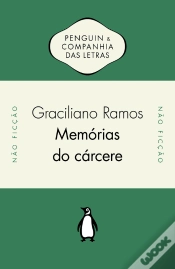
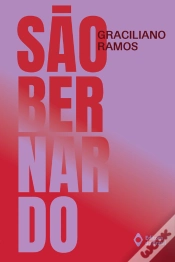
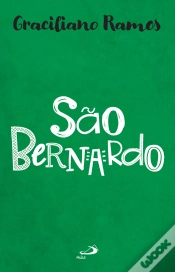
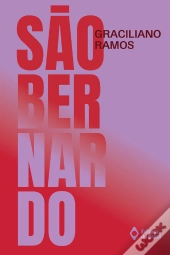
A 7 de janeiro de 1928, Graciliano assume a prefeitura de Palmeira dos Índios, experiência que lhe oferece material para o primeiro romance, Caetés, publicado somente em 1933. Em 1930, renuncia ao cargo, sendo, em seguida, nomeado diretor da Imprensa Oficial do Estado, de onde se demite em dezembro de 1931 por motivos políticos. No ano seguinte começa a colocar no papel, em Palmeira dos Índios, o seu segundo romance, São Bernardo, em boa parte escrito na sacristia da igreja Matriz da cidade. Em 1933, é nomeado diretor de Instrução Pública de Alagoas – cargo hoje correspondente ao de secretário de Estado da Educação -, permanecendo até 1936. Por conta do que, na época, foi chamado "ideias extremistas", foi detido e preso sem processo regular em vários presídios do Rio de Janeiro. O seu drama e dos companheiros de cadeia seriam relatados em Memórias do cárcere, publicado postumamente em 1953.
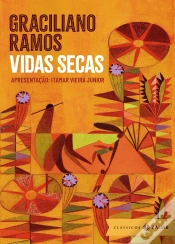
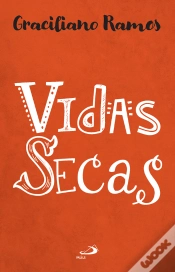
Angústia, lançado em 1936, é considerado o romance tecnicamente mais complexo de Graciliano Ramos, no qual o autor retrata a cidade de Maceió daquela época. Mas é em 1938 que o autor escreve o livro que se tornaria a sua obra-prima: Vidas secas,o seu quarto e último romance, voltado para o drama social e geográfico da sua região – melhor expressão do seu estilo, com ênfase regionalista. Graciliano Ramos – o Mestre Graça, como era carinhosamente tratado – morre na Cidade do Rio de Janeiro, no dia 30 de março de 1953, aos 61 anos.
Em 1905, Graciliano vai para Maceió, e é matriculado no Colégio Quize de Março. Nesta época, dedica-se ao estudo do inglês, do francês, e do italiano. Aos 17 anos de idade, sob o pseudónimo Almeida Cunha – um dos hábitos do escritor era a adoção de pseudónimos -, publica o soneto Céptico.
Ao completar dezoito anos, chega a Palmeira dos Índios, onde passa a residir, ajudando o pai no seu estabelecimento comercial, uma pequena loja de tecidos. Entre l914 e 1915, então no Rio de Janeiro, trabalha como revisor nos jornais Correio da Manhã, A Tarde e O Século, sob as iniciais R.O. (Ramos de Oliveira). Em seguida, volta a Palmeira dos Índios, onde vários de seus familiares morrem num surto de peste bubónica. É lá que se casa, a 21 de outubro de 1915, com Maria Augusta de Barros, costureira do interior que morre cinco anos depois, deixando-lhe quatro filhos. Em 1917, começa a trabalhar como lojista, e nove anos mais tarde casa-se novamente, agora com Heloisa Medeiros.
A 7 de janeiro de 1928, Graciliano assume a prefeitura de Palmeira dos Índios, experiência que lhe oferece material para o primeiro romance, Caetés, publicado somente em 1933. Em 1930, renuncia ao cargo, sendo, em seguida, nomeado diretor da Imprensa Oficial do Estado, de onde se demite em dezembro de 1931 por motivos políticos. No ano seguinte começa a colocar no papel, em Palmeira dos Índios, o seu segundo romance, São Bernardo, em boa parte escrito na sacristia da igreja Matriz da cidade. Em 1933, é nomeado diretor de Instrução Pública de Alagoas – cargo hoje correspondente ao de secretário de Estado da Educação -, permanecendo até 1936. Por conta do que, na época, foi chamado "ideias extremistas", foi detido e preso sem processo regular em vários presídios do Rio de Janeiro. O seu drama e dos companheiros de cadeia seriam relatados em Memórias do cárcere, publicado postumamente em 1953.
Angústia, lançado em 1936, é considerado o romance tecnicamente mais complexo de Graciliano Ramos, no qual o autor retrata a cidade de Maceió daquela época. Mas é em 1938 que o autor escreve o livro que se tornaria a sua obra-prima: Vidas secas,o seu quarto e último romance, voltado para o drama social e geográfico da sua região – melhor expressão do seu estilo, com ênfase regionalista. Graciliano Ramos – o Mestre Graça, como era carinhosamente tratado – morre na Cidade do Rio de Janeiro, no dia 30 de março de 1953, aos 61 anos.
Share
Bibliography
-
eBook10%Vidas SecasEditora Novo Século05-20251,49€ 10% CARD
-
eBook10%São BernardoSétimo Selo05-202510,99€ 10% CARD
-
eBook10%Vidas SecasSétimo Selo05-202510,99€ 10% CARD
-
eBook10%AngústiaSétimo Selo05-202513,99€ 10% CARD
-
eBook10%Memórias Do CárcerePenguin-Companhia04-20253,99€ 10% CARD
-
eBook10%Romancistas Essenciais - Graciliano RamosTacet Books04-20252,99€ 10% CARD
-
eBook10%A Terra Dos Meninos PeladosEditora do Brasil03-20259,49€ 10% CARD
-
eBook10%Vidas Secas: Edição Bolso De LuxoClássicos Zahar02-20252,49€ 10% CARD
-
eBook10%A Terra Dos Meninos PeladosVitrola Editora12-20243,49€ 10% CARD
-
eBook10%São BernardoEditora do Brasil11-20247,49€ 10% CARD
-
eBook10%Vidas SecasPaulus Editora10-20242,99€ 10% CARD
-
eBook10%São BernardoPaulus Editora10-20243,49€ 10% CARD