





adicionar à lista de desejos
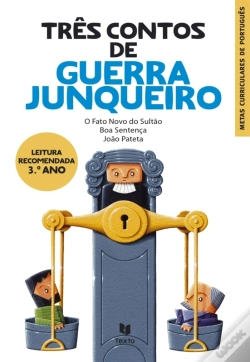
Três Contos De Guerra Junqueiro eBook
Book
eBook
Publisher:
Texto Editores, June of 2013 ‧
see product details
3,99€
10% OFF
CARD
U25CNVFVMVZNMGMyY1ZsS1pteDJSa3Q2VVVrMllpdG9jems1VEZoTGJrWnhOVUUxVUdGbFdIVlRNRlYxUjFRemVVRTRZVGx3Y1VKc2NFaDVTbTloVlVzM2RVTjNjMmt3YXpkUE56ZGpZMWh5U0dSclQyUTJTM0JwTDNOTGVWSkdVek4zYUc1cWFYTnljM2hTZFV4d2JWZzVhRWxrV2tGUlUxaEpTVzhyTTAxNk1YQmxObU00T1RndmRYcE5kVGsyVHpsa2VtbERjSHBUWXl0YWMxSkliRWRZZURGdE1GZFRlVEpSSzB4SVMyZE9VRWwxUjBsUWJHTjRVMDV2TUM5eFJtdGxTM0JxYkU4M1QwRm5aekp3V2xoek1HNXhRazlrYzA4eldHSkdjRU5CUkM5c1ZWQlBObXB5Y25kc2FsVllRMlEyYjFSS1pGcEJXSGs0VkdzdmRFRnNjalUwYUVScmMzcEtSbUl2YWtKS1UxaFRVakkwV0c1M09XZ3dLMVpSWlc4MlRuUnJXV1ZPSzNGSWJXVmpNbmxCWmpsTVMzVmtjSGhCTUdKTmJrSlpkR1JETTJ0Nk0zVlNlalJCVFRsb1YyTmxSMEZwVTFKdWMzRlJSVGd5ZFhaMmVIQmtWRzV4VW1OdGJsSmFkMDVsYVhGb2NFSndaV3BYWjBSRVN6ZFNaM05qVkVGNFZXTTBSbUkxYW1sbVVsTXhaMHRYTkdwRlltZHJSbU5yUldWMmNXdHVXREJqZWpaWFUxRndRVzFOUm10WFNGSldWR2hvZEhSWGREWkRZU3RWZVd3ME9HZHlTRXczTlc1a2IxUnVZbFV4YW1jMWRqRmhVRzF6UjBacVFtRllSMk5JWkVkdlNVaHRWMlJXYURCb1ZsbDBlRlJSZG05TE5UQkhkVTAxV0dKcFpEaEdkMnhYTTJwYVRtcEhTRTlMT1U0eGQxRTFNWFJ1Y1RCbmRVaG1lSGwwZWpOMk0xWjNjMXBHZVZVeWRqbHFNMjUyTUdWeFdUbFFOa3BDVW5OMllXZG5TbmhyWkhSNWRsSklhamRITlRWWWNsWmlRM0UwYkUxdlRHUTFSV3Q2V0VscVVFOXhWSFpOV21wVWFtWm5jRE5WT0U1VWNVdERiVVYxV21Gd1JITkxVMU01TTJKVVkwNXVWR2RIVnpOWU5XTTRRMmRIYURod1lWRjFNRk16WmpndlFWTTNkRWx0UlUxNlZWVjRRalZUVTFwT1JrdERLekJEUzFsQ1NqSTNVVlpYU1hsdk56WXZkMmhFZVRsdVV6bGhZaloxV25CV1NESm9OUzlqUjNKT2IwbERORW93UFE9PTo1OHVUdHBXTUdLcWNxVjgrTm9jT0NnPT0=
IMMEDIATE AVAILABILITY
eBook with wookreader protection
SYNOPSIS
Três contos Guerra Junqueiro ¿ O Fato Novo do Sultão, Boa Sentença e João Pateta ¿ que são de leitura obrigatória. Por isso, estes contos fazem parte das Metas Curriculares de Português para o Ensino Básico.
DETeBook com proteção para wookreaderILS
| Property | Description |
|---|---|
| ISBN: | 9789724746340 |
| Publisher: | Texto Editores |
| Release Date: | June of 2013 |
| Language: | Portuguese |
| Format: | eBook |
| File Format and Compatibility: | |
| Categories: |
eBooks in Portuguese
>
Children’s and Young Adult
>
Short stories, fables, and narratives
|
| EAN: | 9789724746340 |
| Acessibilidade: | Ver características de acessibilidade indicadas pelo editor |
REVIEWS
Bastante apropriado para a idade recomendada
Sandra Morato
Comprei o livro porque foi uma das obras recomendada pela professora, para o 3º ano. A minha filha gostou muito. Não é nada maçador e de fácil compreensão. Aconselho a aquisição.
Os três Contos
Isabel Silva
São 3 contos super divertidos e fantásticos, aconselho vivamente, são muito interessantes e bons de compreender para crianças e adultos.
DIVERTIMENTO E APRENDIZAGEM
Margarida Neves
Adquiri para a minha filhota que frequenta o 3º ano. São 3 contos divertidos que conciliam divertimento com aprendizagem. Aconselho!
Toca a ler...
Sandra
Três contos pequeninos, com histórias que têm em vista transmitir valores - positivos - às crianças, podem ajudar a aumentar o vocabulário e estão sujeitas a serem comentadas a qualquer altura. No outro dia, na viagem de carro para a escola, o meu filho disse-me: "mãe, o João Pateta, era mesmo pateta, não achas?".
Muito giros
Susana Bértolo
A minha miúda gostou imenso destes contos. Pequeninos e com uma lição Aconselho!!
3 contos de guerra juqueiro
Ana Figueiredo
O livro é muito giro, estive a ler com o meu filho e ele gostou imenso
ABOUT THE AUTHOR
Guerra Junqueiro
Poeta e político português, nascido em 1850, em Freixo de Espada à Cinta (Trás-os-Montes), e falecido em 1923, em Lisboa, Guerra Junqueiro é entre nós o mais vivo representante de um romantismo social panfletário, influenciado por Vítor Hugo e Voltaire. Oriundo de uma família de lavradores abastados, tradicionalista e clerical, é destinado à vida eclesiástica, chegando a frequentar o curso de Teologia entre 1866 e 1868. Licenciou-se em Direito em Coimbra, em 1873, durante um período que coincidiu com o movimento de agitação ideológica em que eclodiu a Questão Coimbrã. Nessa cidade convive de perto com o poeta João Penha, em cuja revista literária, A Folha, faz a sua estreia literária. Durante a sua vida, combina as carreiras administrativa (exercendo a função de secretário dos governos civis de Angra do Heroísmo e de Viana do Castelo) e política (sendo eleito por mais de uma vez deputado pelo partido progressista) com a lavoura nas suas terras de Barca de Alva, no Douro. Nos anos oitenta, participa nas reuniões dos Vencidos da Vida, juntamente com Oliveira Martins, Ramalho Ortigão, Eça de Queirós e António Cândido, entre outros. Reage ao Ultimato inglês de 1890, com o livro de poesias Finis Patriae, altura em que se afasta ideologicamente de Oliveira Martins, confiando na República como solução para os males da sociedade portuguesa. Entre 1911 e 1914, assume o cargo de Ministro de Portugal na Suíça. Na fase final da sua vida, retira-se para a sua propriedade no Douro, assinalando-se então uma viragem na sua orientação poética, que se volta para a terra e para "os simples", como atestam as suas últimas obras: Pátria (1896), ainda satírica, mas já de inspiração saudosista e panteísta; Os Simples (1892) - um hino de louvor à terra, de uma poesia que evoca a sua infância, impregnada de saudosismo, de recordações calmas e consoladoras e onde se sente uma grande ternura pela correspondente paisagem social; Oração ao Pão (1903) e Oração à Luz (1904), estas enveredando por trilhos metafísicos.
O anticlericalismo, que em vida lhe granjeou o escândalo e a fama, o estilo arrebatado, vibrante, apoiado na formulação épica do verso alexandrino de influência huguana, contribuíram para a apreciação do crítico Moniz Barreto: "Quando se procura a fórmula do espírito de Guerra Junqueiro acha-se que ele é muito mais orador que poeta e que tem muito mais eloquência que imaginação."
Poeta panfletário, confidencial, satírico e também religioso, o seu valor foi contestado na década de 20. No entanto, os seus defensores nunca deixaram de acreditar na sua genialidade como satírico e como lírico.
Guerra Junqueiro. In Infopédia [Em linha]. Porto: Porto Editora, 2003-2008.
BY THE AUTHOR
-
20%Seleção de Contos para a InfânciaPorto Editora6,20€
7,75€ -
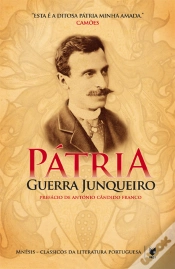
10%PátriaVega15,90€ 10% CARD
PEOPLE WHO BOUGHT ALSO BOUGHT
-
eBook10%As Andanças Do Sr. FortesASA6,99€ 10% CARTÃO
-
eBook10%Eneida de Vergílio Adaptada para JovensQuetzal Editores8,99€ 10% CARTÃO