




adicionar à lista de desejos
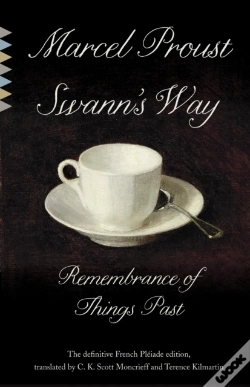
Swann'S Way eBook
language: english
Publisher:
Knopf Doubleday Publishing Group, November of 2015 ‧
see product details
14,05€
10% OFF
CARD
WnpCbmIwTlBRMnRuZDFsV05qSlBRV1V2VW5GSFFWWmpXbEkxYzA5RGVrOU5Mek5uTjBFMlVtZHRTbGxPT1hsTWFuQXZVRkZyWkRGNFpsRktOaTh3Vld4M2IwMUJkM1J4Y0ZoUE5sSlRVSEp0ZUZaaFIwVnJjbmxyTUZsTVkzbzRjbU0wY1ZSWlNsazJaR2MxT0VKRmFXNUVNVFl2U0dKT09GTjFiMHRaVlZOUFQyeHZhM05WWWtFd1VFWlNjbTFqYzNoNlpHTlRNVlJNUm5kSlRXNVpPSE4xU3poRFlWUTRaVGh2UW1RemNqZFZOM0UwVEZaMk5GaDViRzUxUlhKRWJXVnpUMnBDV0UxalVWVjBlWGwwTjI1alEwY3hkRXBzU0d0UWRXSk1OVFpLTm1obFRIZEVkU3RqTVc5YVltZ3piUzlsTUdzNGRpOHJLMnRVUVV0VlZqaEdkSFoxZDJWbk5XZFZUbTFTZEZKTVZXbFpkak5KUVVwT1ZXZEZNRzlVUVdKNmVITk9la3gyT0hKaFIyOUdkUzl6YkZOWWJIaDBXREJUWVhCUWRVOTBSbTVTUWs5Tk5rUkZPRE5NTm5oVWRqQklkREU0Y1VaVFRHRnNlVEpoTDJkbFowMTZPRTlhS3l0TWJrSkNXVWRuYm5BM1dUbGFaVXRNZDFWMlZrMXdVRzFvV0haMmRuWlNLM00yY1ZVeFpFZFRRelkwWTBWaFZHUnNMMnh2Vm1GU1prbDFTRkJqYlRWRlpYQk5OMFZ0T0ZZdk5XaFlOMUJrUW1Oa2FsUkxTbXB3ZVZaRFMzbEphR1J6UjBGeGRFZFNSekUxUVVKMFJXTm5WMnRwTXpGSlkxVk1iRWRVWW1KWU5qbGpZbVZLU0dWcVMzZDRWWFExWWlzdlQycEtaV05sWVROUlpteGhaaTlYVlZkbGJWcFBhVEI0Unk5V0wzcDBWakJWUzJsUGVYSjRTbVo0V1ZacmJsVTNNWFZHWVZweVVWTnZXRkZxV2t0Q1ExVk1WV1ZOWjFsM0swdEJUMlEyUjAxMVowbFpOMlpPTkd4eFprZG9hak5MYWtWeWQzTlJNMUJ3VEhkVlZtMVVjV2hPVnpoaFN5OXlhbGxWUWl0SmNXVnFSRlpvTm1SbVQyNW1lbEpvTlRGUFRqUlJWMkk0Tm1KQlVuTm5SbFIzWkhRNVdqWm9hRGsxVmtsU0t6Tk9hMlpvV0U5a2RuVmtkVFI2Tm5sV1NEaE1SRk14YjBsWmNUTkdialpTYTFJMGQyVTFTRTVFVmxjdmRXRnpiakpPYVdORmFXVjVXWGc0VjNJM1MzSnFSWEpSUFE9PTpjMFM5cFZhemJYOVRxUFZsQlJ5Z1ZBPT0=
IMMEDIATE AVAILABILITY
Ebook for ADE
SYNOPSIS
The first volume of Marcel Proust’s monumental masterpiece—in the classic Scott Moncrieff-Kilmartin translation—is not only a perfect introduction to a literary landmark, it also stands on its own as one of the most sensitive renderings of childhood in fiction and a brilliant meditation on the recreation of the past through art and memory.
Swann’s Way is the most frequently read part of Proust’s epic novel, Remembrance of Things Past (also known as In Search of Lost Time). It introduces subjects that resonate throughout the entire work, including the narrator’s love for Swann’s daughter Gilberte, Swann’s jealous passion for Odette, and the rise of the nouveaux-riches Verdurins. Proust’s narrator vividly recalls his childhood in Paris and Combray, most famously in a fraught evocation of his mother’s good-night kiss and in the iconic scene where the taste of a madeleine dipped in tea brings back a flood of memory.
DETAILS
| Property | Description |
|---|---|
| ISBN: | 9781101972359 |
| Publisher: | Knopf Doubleday Publishing Group |
| Release Date: | November of 2015 |
| Language: | English |
| Format: | eBook |
| File Format and Compatibility: | |
| Collection: | Vintage Classics |
| Categories: |
eBooks in English
>
Fiction
>
Fiction
|
| EAN: | 9781101972359 |
| Acessibilidade: | Ver características de acessibilidade indicadas pelo editor |
ABOUT THE AUTHOR
Marcel Proust
Romancista e crítico francês, nasceu a 10 de julho de 1871 em Auteuil, perto de Paris, e morreu a 18 de novembro de 1922, na capital francesa. Era uma criança débil e asmática mas também com uma inteligência e uma sensibilidade precoces. Até aos 35 anos movimentou-se nos círculos da sociedade parisiense. Depois da morte dos pais isolou-se no seu apartamento de Paris, onde se entregou profundamente à composição da obra-prima, A la recherche du temps perdu (Em Busca do tempo Perdido, 1914-27). Este imenso romance autobiográfico consta de sete volumes em que expressa as suas memórias através dos caminhos do subconsciente, e é também uma preciosa reflexão da vida em França nos finais do século XIX. A obra é como a sua vida: o reencontro de duas épocas, a tradição clássica e a modernidade. Proust é considerado o precursor do romance contemporâneo.
Marcel Proust licenciou-se em Direito (1893) e Literatura (1895). Durante os anos de estudo foi influenciado pelos filósofos Henri Bergson, seu tio, e Paul Desjardins e pelo historiador Albert Sorel. Em 1896 publicou les Plaisirs et les jours uma coleção de versos e contos de grande valor e profundidade, muitos dos quais saíram nas revistas le Banquet e la Revue Blanche. A revista le Banquet (1892) foi fundada pelo próprio Marcel Proust em conjunto com amigos. É nesta altura que publica os seus primeiros trabalhos literários e biografias de pintores. Faz traduções de Ruskin, ensaia o relato romanesco da sua trajetória espiritual compondo Jean Santeuil, obra que fará silenciar por lhe parecer apressada e demasiado próxima do seu diário.
A morte do pai (1903), da mãe (1905) e de um grande amigo, empurraram-no para a solidão, mas permanece financeiramente independente e livre para escrever. É através da reflexão que desenvolve a obra Contre Sainte-Beuve, composta em 1907, aproxima-se já do grande livro A la recherche du temps perdu. Em 1909 priva-se de toda a vida social e quase de toda a espécie de comunicação. Em 1912 foram publicados no jornal "le Figaro" os primeiros extratos da obra. Proust cria um trabalho grandioso, escrito na primeira pessoa. Exceção na narrativa, Un Amour de Swann é a história de uma época. O mundo exterior e o mundo interior são originalmente identificados. Viajando no tempo, problematiza a modernidade e a existência maquinal a que ela nos condenou. É um trabalho realizado no reencontro de uma vida perdida e que se prolonga, por outro lado, numa metafísica sugerida, como é o caso do episódio da chávena de chá em que Proust nos quer transmitir que a realidade autêntica vive no nosso inconsciente e só uma viagem involuntária pela memória nos leva ao contacto com ela. A la recherche du temps perdu é uma história alegórica da sua vida, de onde são retirados os acontecimentos e os lugares. O autor projeta a sua própria homossexualidade nas personagens considerando-a, bem como a vaidade, o snobismo e a crueldade, o maior símbolo do pecado original.
Proust é considerado precursor da nova crítica e fundador da crítica temática. Publicou ainda em 1919 Pastiches et mélanges.
BOOKS FROM THE SAME COLLECTION
-
eBook10%Little WomenKnopf Doubleday Publishing Group8,41€ 10% CARD
-
eBook10%Leaves Of GrassKnopf Doubleday Publishing Group7,01€ 10% CARD
BY THE AUTHOR
-
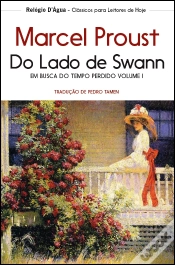
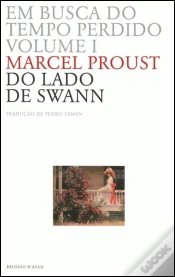
10%Do Lado de SwannRelógio D'Água16,00€ 10% CARDfree shipping
-
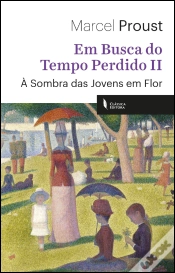
30%Em Busca do Tempo Perdido IIClássica Editora9,52€ 20% + 10% CARD