



adicionar à lista de desejos
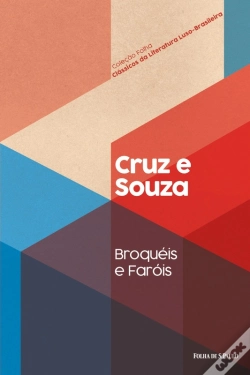
Sonetos eBook
language: brazilian portuguese
Publisher:
Folha de S.Paulo, September of 2024 ‧
see product details
3,49€
10% OFF
CARD
TUZoS1FtcGxVUzlxWmpVellUVkhOMVJoWjNwUWJVeGxUVGR6Ym5CdksyNHpTMUZRV21wUGRYaGpMM05VVFZnNU1rY3dhMFJLYkVWa2EwcDNRaTlSTjNkalR5OUJNRUpRTkRKNFdIVTNPR3NyU0VsSGQwOVNkM0Z3V0dSTVlUWldNM0Z2Y0RORWRWaGpVVmRDZVRGR1p6VlVPVGc1YldGUlFtWlZUemx2T0ZkS1VqbDNZMlJQYUc1VmFscHdiSGhQY0doRk1WZ3pVM2RETUZnM05rWlFOa2R5WlRGdFNFdGlOVzFSVWk5S1ZWbGhhREpyYm1jeVNWQnJTMkpOZHpOa0sxVlRhMDVOWjJnMGRHUkJlVlJXTlRSRFRqUjNRbEJpUjBjeWVGVXhTRFpGVDBkMVdWTnVNMWxaU2xkd2NVazVRa2hLYjJOVlpWQnNjblp2Tm0xUk9DOTBRMDVyU2tsTFVUYzNWeTl3UlhFd01EZG5ORE55U1RsR2JHTXpkV1JhYm1zcmRWcFBkRGRJVXpGbFlreDVSalUxUkVkWWQxSlNXR1ZFZFdGNk1EVmlMMUpXYW1od1VFUTFhMFpFVm5Sb09HeFNObU5ZZWxWNmVIRmpiRGxhVVVseVdXMXVTREJyZFhCR1EwaDVNM0ZGYmxkb2JuSlJVRW81TDBOTVNrRktNbXQyYld0bVowaHdNVUZ5UlZrMmEyTlVWRUpQTW1WSlNVcE1WR3hUVWt3MVVXazBNVll6Y0RoR1pGUlhOMUpMUW00MVF6VnZlWGMzVDJKMmVIbEJRa1p5SzFOVVIwZHZUV0Y0WlVGNmJtbFBkamh2U1ZoSFZIZEJhR1JDTlRKaGVHcFdkV0ZzVlVoWFJXdFpTa3N2WWpseVMzZzRiMmxrY1ZCQ1JteGtNMU5UWmtSWk4yUlVZek5ST0daVlYwNHpNRVZCZVhsUVREbHNTRXQzYWxsUVFsZFlTVUpzZW0xS05IQkdWWFYxWmxwRlJWWnNZWEZuWVhKdVYxUktkMjlKY0hsUFJEWndMMjFRUTFodE5XSkpUbk5TYlVFeWNVVlhRbTFvVkM5MFduRm5RV1pMT0ZoQ01uUTJhRk52TW1zdk56azBTRTlNV2xCeFowaFhVMGx2WmxoQmJreENUV2R2YTJ4VldXaDJjbXBvVm1GemVIbHJURzlNZFhRMVEzUkNlbFJDTW5jelUydHdWMGxYYmtSNVkxZGxlbEpNY3k5YWNIRXpaVE52Yms4MVRqaGFibkprUVVvME1GbzBTVmRVUmpoVWNucFFMMnhuZDJvM1RuYzFRMDF3Y0dWRE55dDNkbGRWUFE9PTpJQXVMQU9wbGNqSjYxYUViM1lhaE9nPT0=
IMMEDIATE AVAILABILITY
eBook with wookreader protection
SYNOPSIS
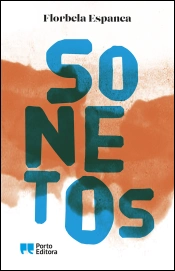
"Deixa dizer-te os lindos versos raros/ Que foram feitos pra te endoidecer". Esse é o convite da portuguesa Florbela Espanca ao leitor destes Sonetos, produzidos pela autora há quase um século. A rigidez do formato e das rimas contrasta com a temática sombria e de uma sensualidade inovadora para a época.
Florbela Espanca se matou em 1930, no dia do seu aniversário de 36 anos. Teve uma vida pouco ortodoxa: divorciou-se duas vezes e ousou ir à universidade. A saúde mental frágil herdada da mãe, agravada pela dor de dois abortos espontâneos e pela perda trágica do irmão mais novo num acidente de avião, transparece nos versos que falam de mar, cinzas, pétalas roxas. Que celebram o corpo "ébrio de sol, de aroma, de prazer", cortejam abertamente a morte ("Tão bom que deve ser o teu abraço") e habitam "Reinos de ansiedade" incrivelmente atuais.
DETeBook com proteção para wookreaderILS
| Property | Description |
|---|---|
| ISBN: | 9786585641937 |
| Publisher: | Folha de S.Paulo |
| Release Date: | September of 2024 |
| Language: | Brazilian Portuguese |
| Pages: | 184 |
| Format: | eBook |
| File Format and Compatibility: | |
| Categories: |
eBooks in Portuguese
>
Fiction
>
Romance
|
| EAN: | 9786585641937 |
ABOUT THE AUTHOR
Florbela Espanca
Poetisa e contista. Depois de concluir os estudos liceais em Évora, frequentou a Faculdade de Direito de Lisboa. A abordagem crítica da sua obra poética, marcada pela exaltação passional, tem permanecido demasiado devedora de correlações, mais ou menos implícitas, estabelecidas entre o seu conturbado percurso biográfico - uma existência amorosa e socialmente malograda que culminaria com um suicídio aos 36 anos de idade -, e uma voz poética feminina, egotista e sentimental, singularmente isolada no contexto literário das primeiras décadas do século. Na verdade, a leitura mais imparcial das suas composições, entre as quais se contam alguns dos mais belos sonetos da língua portuguesa, permite posicioná-la quer na matriz de uma poesia finissecular que, formalmente, cruza caracteres decadentistas, simbolistas (são várias as referências na sua poesia a autores simbolistas) e neorromânticos (acusando a admiração por certos autores da terceira geração romântica, como Antero de Quental), "à maneira de um epígono de António Nobre" (cf. PEREIRA, José Augusto Seabra - prefácio a Obras Completas de Florbela Espanca, vol. I, Poesia, Lisboa, D. Quixote, 1985, p. IV), quer, ainda, pela forma como a vivência do amor promove, a cada passo, uma mitificação do eu, na senda de certos autores do primeiro modernismo como Sá-Carneiro, Alfredo Guisado ou António Botto. Por outra via, a da literatura mística, Florbela Espanca reata conscientemente ("Soror Saudade") com a tradição da literatura claustral feminina que recebera, no período de maior florescimento, uma marca conceptista, mantida na poética de Florbela por certa propensão para a exploração das antíteses morte/vida, amor/dor, verdade/engano. A imagem da mulher que sofre de ilusão em ilusão amorosa, que reitera até ao desespero a sua fatalidade, que dá expressão a uma existência irremediavelmente minada pela ansiedade e pela incompreensão, acabou por, na receção alargada da sua poesia, sobrepor-se a outros nexos temáticos com igual pertinência, como a dor de pensar e a aspiração à simplicidade ("Quem me dera voltar à inocência / Das coisas brutas, sãs, inanimadas, / Despir o vão orgulho, a incoerência: / - Mantos rotos de estátuas mutiladas!" ("Não Ser"); ou a forma como a busca do amor se volve essencialmente em busca de si mesma através dos estilhaços de um ser que não sabe ser sozinho: "Ó pavoroso mal de ser sozinha! / Ó pavoroso e atroz mal de trazer / Tantas almas a rir dentro da minha!" ("Loucura", in Sonetos). Florbela Espanca.
BY THE AUTHOR
-
10%Vinte Grandes Contos de Escritoras PortuguesasSibila Publicações20,86€ 10% CARDfree shipping
-
20%SonetosPorto Editora5,32€
6,65€