

adicionar à lista de desejos

Short History Of Modern Angola eBook
language: english
Publisher:
Oxford University Press, May of 2016 ‧
see product details
22,25€
20% OFF
YUVFNE1YZGtlVlZJUjBjM2NEVktZMjF0ZFdoTWVDdEhTekpRWWxKdGJHOW5hRnBPWTBoSE1rRmpVR2RwUkZjeksySmpZazlPZDJRNWFEVkhSVWN4WjNKa2VIRlBTVTFDWTJNeGQxZEZRbXhyYXk5dmRXWkxVSEozTUZKVVpHSXZSRGROTm1kb1RtdFpWV3hPVjFkTlduUkZjVGxGV0VVMUt6bHBNSE53ZGxOdk1URjVNWFZ3UVhKb1RGaFhjWGxJYzFNM2RWQmFWVWxVV1VkelIxazFNVVk1VFdORFZsZDJkakZrUW5BckszVnZRaTg1VVVveFJHOU1jbGd4T1ZkaFVsVkhXRzl5UXpJcmRrdzNZMVpKVmtKdGJqWmxlQ3RWUTJ4Vk5uSlROV3c1TmxScE4wRnZhRE5ITjJ3cmNXNXVkMnh2ZUZWQlkwOVpVMUJxVlV3M2NHczBiMGt2Y2xOU2RUTmxSMGRSZEZFeU0xQkplWEZEZERkM2RIaHdWbGh3UldOd1EzSldhRkphY0hOblFuVXZTSGx5UWxsQ1UwOUJXRWxhVTBwbE9WWnVPVFJ3SzBKbU56ZERSM05qYlhkTE4zVjJOM1Y2UjNFMWJuUkplR0kwY21JNE5WVm9NbEJHTVVwb1lsVnJRMlZFYVdKNWVHZDFUM2xqVlVSamNIRnZOVFpzU0M5cmVuSXpZbk5xTURoRFYwVlVPR0Z1ZVZWcVptZEJiV05YVW1aNVZGaFdla3hYVkVsM1VYY3pTV0ZvUkhWd1lYaEZXbko1TVhCQ1Z6QlNWekZWU21kdFEwMUdabXhrYzFWeE0wcERaVmR2S3pFM1dsTnVWR0pLWkRadGJsWkJVbWxSV2toaVIyZzJlazFoU0dSemFWSnFSRFpRTlZWRFZVSTRRVEE1VFdGMGNUSm9SakphVGxnMk0wNUZSREZzYldSMVZtWm1VbXB6YURBck1UVjBWM05vT0RGcVRUQkJLM1pJVHpoNlRqVnNjblV3V0U1aE9Yb3ZhV1E1OlI3ek8zNzhZSXhZanhOWVJBODhCQXc9PQ==
IMMEDIATE AVAILABILITY
Ebook for ADE
SYNOPSIS
This history by celebrated Africanist David Birmingham begins in 1820 with the Portuguese attempt to create a third, African, empire after the virtual loss of Asia and America. In the nineteenth century the most valuable resource extracted from Angola was agricultural labor, first as privately owned slaves and later as conscript workers. The colony was managed by a few marine officers, by several hundred white political convicts, and by a couple of thousand black Angolans who had adopted Portuguese language and culture. The hub was the harbor city of Luanda which grew in the twentieth century to be a dynamic metropolis of several million people. The export of labor was gradually replaced when an agrarian revolution enabled white Portuguese immigrants to drive black Angolan laborers to produce sugar cane, cotton, maize and above all coffee.During the twentieth century Congo copper supplemented this wealth, by gem-quality diamonds, and by offshore oil. Although much of the countryside retained its dollar-a-day peasant economy, new wealth generated conflict which pitted white against black, north against south, coast against highland, American allies against Russian allies. The generation of warfare finally ended in 2002 when national reconstruction could begin on Portuguese colonial foundations.
DETAILS
| Property | Description |
|---|---|
| ISBN: | 9780190613174 |
| Publisher: | Oxford University Press |
| Release Date: | May of 2016 |
| Language: | English |
| Format: | eBook |
| File Format and Compatibility: | PDF para ADE |
| Categories: |
eBooks in English
>
Others
|
| EAN: | 9780190613174 |
ABOUT THE AUTHOR
BY THE AUTHOR
-
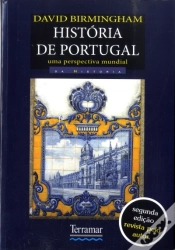
20%História de PortugalTerramar8,00€
10,00€free shipping -
20%Portugal - Breve História de um ImpérioVogais14,92€
18,65€free shipping