




adicionar à lista de desejos
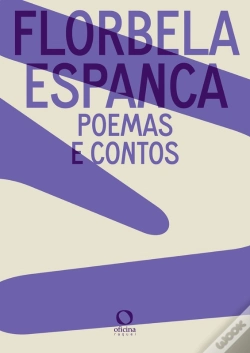
Poemas E Contos eBook
language: brazilian portuguese
Publisher:
Oficinar, February of 2021 ‧
see product details
3,49€
10% OFF
CARD
YkcwMEsxcExVRU5TYkdsdU1reEZkRTlZU0V0dlVUQk5hbEl3TUZkeFpHY3lUMjVuTWt0dGMzaFhhRXBMWlRVM1VVcDVNbkZyTURWcFJXdHlhaXRYVnpCNVdEUk5VVWRhVG1Ka2JIRnlVR3d6UjFGNUx6UkhkR1lyVUU1dlkzYzBOWFZwYkhaSFNFbHBTMUpYUVZsd2VHZGtOSFJITUhSUGRtSm5LMjltY0VKNmFESnZUR0pCVEhGUGNsVmhRekZDZURGeWFEQjFNa2szWnpscFdqUTNaSFEwZUUxck9VcEVkVUZzWkZZNVZUVmlRaXROS3pjeWMwVjBlVUV2YTJ0a00wNWpkRlpRVVVWcVdHTXZkM0pqVUdKM016aEJWalEzTDNwV2JqbHFOV3B2U0RKVkszUkNSWGhLY1hCbVYzTlZiWFkyWWtSS1V6aHVRVnAzVFdGS1oyaHFNVGRNZUZwcGNsQnFORk5EWlhaaE1URlpkbkZzYW1GTlpUTndXRlZHVXpsYVRFeE1lVXcwUlVOTFdGbEJiV05QV1RSTmRsRnpjek50YWtwTWNqVmFZeTlRWm5VeU15dDNibkJ3VVhKallraE1PR1ZtY0VZemFtVkllblpuYkdwTk5raHdkekUyVUU1MGQwWm1aVXRRYmpNMlkwOXVkRmxtTUU1QmNFSnJaV3hwTmk4eE1USlZaWGxRUjJSeVQzTkVRbXM0YUhJeFFXZExhVGg1V1dGSGVUVnVkMEZhYUhvM01IWnlWV3RCYWtaRmNtRTFOQ3QzWjIxWllYcDNWMjFVTkhoWU5EQmxUM0ZFTjNWNllXaDBPVzVzTUM5TVF6bEhhbWRIZEd0U0syNU9UbVJQTldzelZFZDNUamhKYjFWUlNYSTBORUZqWkRsdU0yOWhkWHBvVUVkUk4wNU5hV2R1ZHpCc1pEVkNZbTB3Y1hFck5XOUhNa0p0UTJwalpHbE5jRFJLZVRVd01rUjBVMUIwYkd0RmFpOU5iWFJaUWtncmJ6VjBZVzlKZDJGcVpURkdURXRqT0VVd1YwVlNlazE1UzNSUVpYQnFiVEkyUzNsa1JuWlpTVVpLSzB4TFZVNHhNbUYzWlN0bFpYVmxNRUkxUW01SVFWTklTMmM0TmpKS0wzcEtTSEJwZFdaTVkwdDBUM0pNY1RGelZUZE1VMDVHUkRONFlWRXZjRnB1VURrM2VUWXhiRTlQTnpacGIyTmhNM2hpZVdaWVZUVk1Sa3BSYW1SME5uUndOMDB4YlhKVGRVOU9jbXgyVVZWcE5HWndhMjh4UnpOemRIRlJXREUxTmpFMlFUZFhjalZuUFE9PTowOWZGTVVmMXF0clc3TXpYWXRaelJRPT0=
IMMEDIATE AVAILABILITY
eBook with wookreader protection
SYNOPSIS
A obra Poemas e Contos, de Florbela Espanca, reúne 42 poemas e 7 contos em uma coletânea inédita. O livro oferece ao leitor uma visão geral da obra da autora portuguesa, incluindo poemas mais conhecidos. Florbela incorpora à sua obra um pós-romantismo, ainda que bastante moderno, transitando entre a fragilidade e a força. A poeta do início do século XX, já assumia uma dicção feminista, ao trazer para a fala da mulher uma dialética entre potência e marginalidade. Desse modo, Florbela ocupa um lugar singular na poesia em língua portuguesa, lugar de abertura, inauguração. Em sua obra tece o amor, ora pelo caminho da solidão, ora pelo da subversão. Há em Florbela um erotismo que agrada aos leitores, ainda que este viés erótico seja com a ausência da consumação do erótico e a escolha do estar só, em castidade. Esse erotismo de Florbela, acentua, seu lado subversivo, e, assim, a escritora potencializa seu desejo de amar e o coloca em ação. Essa dicotomia do amar sem amor em ambivalência com um amor plural, ao mesmo tempo casto e libertário, que é marca da autora é facilmente percebida nesta coletânea.
DETeBook com proteção para wookreaderILS
| Property | Description |
|---|---|
| ISBN: | 9786586280616 |
| Publisher: | Oficinar |
| Release Date: | February of 2021 |
| Language: | Brazilian Portuguese |
| Pages: | 120 |
| Format: | eBook |
| File Format and Compatibility: | |
| Collection: | Mulheres De Todos Os Tempos |
| Categories: |
eBooks in Portuguese
>
Fiction
>
Poetry
|
| EAN: | 9786586280616 |
| Acessibilidade: | Ver características de acessibilidade indicadas pelo editor |
ABOUT THE AUTHOR
Florbela Espanca
Poetisa e contista. Depois de concluir os estudos liceais em Évora, frequentou a Faculdade de Direito de Lisboa. A abordagem crítica da sua obra poética, marcada pela exaltação passional, tem permanecido demasiado devedora de correlações, mais ou menos implícitas, estabelecidas entre o seu conturbado percurso biográfico - uma existência amorosa e socialmente malograda que culminaria com um suicídio aos 36 anos de idade -, e uma voz poética feminina, egotista e sentimental, singularmente isolada no contexto literário das primeiras décadas do século. Na verdade, a leitura mais imparcial das suas composições, entre as quais se contam alguns dos mais belos sonetos da língua portuguesa, permite posicioná-la quer na matriz de uma poesia finissecular que, formalmente, cruza caracteres decadentistas, simbolistas (são várias as referências na sua poesia a autores simbolistas) e neorromânticos (acusando a admiração por certos autores da terceira geração romântica, como Antero de Quental), "à maneira de um epígono de António Nobre" (cf. PEREIRA, José Augusto Seabra - prefácio a Obras Completas de Florbela Espanca, vol. I, Poesia, Lisboa, D. Quixote, 1985, p. IV), quer, ainda, pela forma como a vivência do amor promove, a cada passo, uma mitificação do eu, na senda de certos autores do primeiro modernismo como Sá-Carneiro, Alfredo Guisado ou António Botto. Por outra via, a da literatura mística, Florbela Espanca reata conscientemente ("Soror Saudade") com a tradição da literatura claustral feminina que recebera, no período de maior florescimento, uma marca conceptista, mantida na poética de Florbela por certa propensão para a exploração das antíteses morte/vida, amor/dor, verdade/engano. A imagem da mulher que sofre de ilusão em ilusão amorosa, que reitera até ao desespero a sua fatalidade, que dá expressão a uma existência irremediavelmente minada pela ansiedade e pela incompreensão, acabou por, na receção alargada da sua poesia, sobrepor-se a outros nexos temáticos com igual pertinência, como a dor de pensar e a aspiração à simplicidade ("Quem me dera voltar à inocência / Das coisas brutas, sãs, inanimadas, / Despir o vão orgulho, a incoerência: / - Mantos rotos de estátuas mutiladas!" ("Não Ser"); ou a forma como a busca do amor se volve essencialmente em busca de si mesma através dos estilhaços de um ser que não sabe ser sozinho: "Ó pavoroso mal de ser sozinha! / Ó pavoroso e atroz mal de trazer / Tantas almas a rir dentro da minha!" ("Loucura", in Sonetos). Florbela Espanca.
BY THE AUTHOR
-
10%Vinte Grandes Contos de Escritoras PortuguesasSibila Publicações20,86€ 10% CARDfree shipping
-
20%SonetosPorto Editora5,32€
6,65€
PEOPLE WHO BOUGHT ALSO BOUGHT
-
eBook10%Na Terra E No CéuPenguin-Companhia1,49€ 10% CARTÃO
-
eBook10%Antologia Poética - Cecília MeirelesGlobal Editora11,99€ 10% CARTÃO