



adicionar à lista de desejos

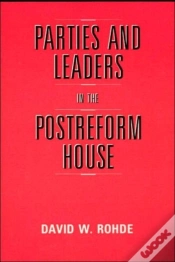
Parties And Leaders In The Postreform House eBook
language: english
Publisher:
University of Chicago Press, July of 2010 ‧
see product details
36,03€
20% OFF
V1U1TFRraFRSazUxVFdwVE1uTTFRWGcyVGtScmRHcFNRazFoWld3MGIyNXRTVGN6VW10VFdIaFVRV3RwV0Nzd1RGWlhiMmx4ZEU5NFpFbGxkakpKVlZodGVta3hlSHBtTDFNeGNuTmFZVzV2VEZkRU5sWm9VbTUxU0dSUlREZ3hVVFIzVlUxMVJHOW9abGxxZEhWUFFqVjJjMnBrTWxsbFdGWkhRazFGVUVOTGRFRkdWM05QWld0S1NXUlRNMWRKVVhjMk9HOXdURGhJUldjeU0zbDZVakZaVjBrNWNuRnRRa2h6V25sT1NYUXlVMFJRT0c1QlpHOU1NM2hoU0dZNU1teDViWEpKYjI1UVdqWlBNREEyYWxaMFRYUkhTR3Q2WTNoV2JUQnJhM0pWVDFCc1VYaElaREZFVHpCbU1uQTNSakpMUzI5UlYyZFlLMUJMZFhsQlJrOTJhRlZZTVhBNU5XOU1NVFIxTXpFeFozUnZZMDlEUTA1UFNXSnhNMUZwYkhodlRFVkNPV3N5VWtKeGRsbERSV1ZyVVRCTUwwdGxOeXRDWlRoYVpFTnVkalJFV0VWQmRsVjVUMWw1Y1ZaWmFHazRSV2RJWmk4NFRFMU5kekpIVGpobWF5OXpha2hvY3pZM01FTllaa1k1VHpCcE1FWmhiR3RCY1VOdmVtWk1aSEZNVFRWVWEyTmFkbkl5Tms5MlUzUXZiMDlhYjA1d1dIa3dkbkphVWxVM2VGQkdTVVozU2xGa2FuZFpUMnd2THl0b2EzWk1Za3B2VnpabFpYUXdXWG9yTWtwVWVrMDBMMEVyUjFKcFdGWTNPVlZxVDJFdmIzazVja1JEUVhSTlVVTkdaR3BrZG01UFl6RlZhV3hGWjJONFNrb3hORlZQSzAxc1JXRlNUVE4xT1VOSldVaE5UVll3YzJONFNqaE9ja0ZJTldsSE5URmFVa2RpZDJremNsVjBXWGRMWjFJeE1FZzRaUzl3U2xNeVJHVlVieXRvUVU1a1prODJZVmh1OkNIZFZNN2V1b3dXTE1GSi81N2hUTVE9PQ==
IMMEDIATE AVAILABILITY
Ebook for ADE
SYNOPSIS
Since the Second World War, congressional parties have been characterized as declining in strength and influence. Research has generally attributed this decline to policy conflicts within parties, to growing electoral independence of members, and to the impact of the congressional reforms of the 1970s. Yet the 1980s witnessed a strong resurgence of parties and party leadership—especially in the House of Representatives.
Offering a concise and compelling explanation of the causes of this resurgence, David W. Rohde argues that a realignment of electoral forces led to a reduction of sectional divisions within the parties—particularly between the northern and southern Democrats—and to increased divergence between the parties on many important issues. He challenges previous findings by asserting that congressional reform contributed to, rather than restrained, the increase of partisanship. Among the Democrats, reforms siphoned power away from conservative and autocratic committee chairs and put control of those committees in the hands of Democratic committee caucuses, strengthening party leaders and making both party and committee leaders responsible to rank-and-file Democrats. Electoral changes increased the homogeneity of House Democrats while institutional reforms reduced the influence of dissident members on a consensus in the majority party. Rohde''s accessible analysis provides a detailed discussion of the goals of the congressional reformers, the increased consensus among Democrats and its reinforcement by their caucus, the Democratic leadership''s use of expanded powers to shape the legislative agenda, and the responses of House Republicans. He also addresses the changes in the relationship between the House majority and the president during the Carter and Reagan administrations and analyzes the legislative consequences of the partisan resurgence.
A readable, systematic synthesis of the many complex factors that fueled the recent resurgence of partisanship, Parties and Leaders in the Postreform House is ideal for course use.
Offering a concise and compelling explanation of the causes of this resurgence, David W. Rohde argues that a realignment of electoral forces led to a reduction of sectional divisions within the parties—particularly between the northern and southern Democrats—and to increased divergence between the parties on many important issues. He challenges previous findings by asserting that congressional reform contributed to, rather than restrained, the increase of partisanship. Among the Democrats, reforms siphoned power away from conservative and autocratic committee chairs and put control of those committees in the hands of Democratic committee caucuses, strengthening party leaders and making both party and committee leaders responsible to rank-and-file Democrats. Electoral changes increased the homogeneity of House Democrats while institutional reforms reduced the influence of dissident members on a consensus in the majority party. Rohde''s accessible analysis provides a detailed discussion of the goals of the congressional reformers, the increased consensus among Democrats and its reinforcement by their caucus, the Democratic leadership''s use of expanded powers to shape the legislative agenda, and the responses of House Republicans. He also addresses the changes in the relationship between the House majority and the president during the Carter and Reagan administrations and analyzes the legislative consequences of the partisan resurgence.
A readable, systematic synthesis of the many complex factors that fueled the recent resurgence of partisanship, Parties and Leaders in the Postreform House is ideal for course use.
DETAILS
| Property | Description |
|---|---|
| ISBN: | 9780226724058 |
| Publisher: | University of Chicago Press |
| Release Date: | July of 2010 |
| Language: | English |
| Format: | eBook |
| File Format and Compatibility: | PDF para ADE |
| Collection: | American Politics And Political Economy Series |
| Categories: |
eBooks in English
>
Politics
>
Politics in General
|
| EAN: | 9780226724058 |
BOOKS FROM THE SAME COLLECTION
-
20%Deliberative ChoicesTHE UNIVERSITY OF CHICAGO PRESS86,52€
108,15€free shipping -
20%Turf Wars €“ How Congressional Committees Claim JurisdictionTHE UNIVERSITY OF CHICAGO PRESS86,52€
108,15€free shipping
-
Parties And Leaders In The Postreform HouseTHE UNIVERSITY OF CHICAGO PRESS86,52€free shipping
-
Parties And Leaders In The Postreform HouseTHE UNIVERSITY OF CHICAGO PRESS30,28€free shipping