

adicionar à lista de desejos
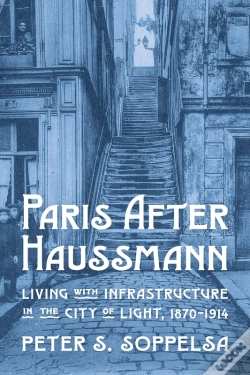
Paris After Haussmann eBook
Living With Infrastructure In The City Of Light, 1870-1914
language: english
Publisher:
UNIVERSITY OF PITTSBURGH PRESS, March of 2026 ‧
see product details
34,57€
10% OFF
ZUZORlpWQkZMMGRrYWtrd1NHdENWVGwzU2twWFRqUldlQ3MwVDBkblIwSllMemhDV0hSeE9HUm9TelpIUzI1ME5UUlJXVlpwZUZSYVRtaGlTV2xLTDNSalNrUnRPVEF4YW5FNVEyNXNaMUJsV1ZvdlpYQkVSakJuZDNObmVEQkZRV3hUTTFKd04wbGxUVWxaY0hOVmFYaE9TRGx0YTFONWFWZFVVMFJRZEU5R015ODFibHB4WTNoMGRHRkhXa0ZTUm1FemRreEJWbFZaYVhwMFZFVmlSMXBUWkdKRlQySlRTRGRPZFNzMGRUWmljVTh3ZDFCWEwyTlZhbWcyYW5KSllVcFpkbEpLYTJScVQydzFlSEYwUVRsRE5HTkNNbVpEYUdwRmJUUlBlRXRsU2xOUmVtcDVTRmhqVGk4MVZXb3dVVlJRWTBvM2RrbHVhMVpvTjJwUllqSnpNV2RJVkM5c2VGQmhkRFIwTUhrMlprOTViMFZNU3pSUU0yVTFVVVF4YmpoRU1sTjRaRWQ0UmtSMVlqQnhXRzFYWm1GSWNWQmtaVmhZYVZRMGR6SXdWRXhxZUVFMlZsaHNWSHBUYkdoT2RGVkJNM1J3TURGcWJHb3ZXSFl3U2tOa1lrMVFhelZQUVcxaVMwRlpNMjl5TjJ4VE1XNVBOM0ZaVlZSd01HWm1WM1JMU0haVVRWaHZWVXM1U2tGV0swZG9VSGxRTlRSaFZUZ3JkRWQ1V2sxdGRqSkpkMHRDU1VSTWNHbENlbTFGYUN0RWF5czFlakZwYVhGclJGUlRjMjFwTVhsMVRuWkRVazlVYTBwQlNGWjZZbUpYVFVGM1NtOUZjbWsxYjNFek5UVm5OV1pIVEhCT01VRnhRWE4wUlZKNGMxRXJTekZsUTBWc05FRmpaRU5pV0VKQ2FtRTNXbkkzYm5abWNHZ3hNbmRXWkhKV2JraEhVMFZxVEROclIxVkZObWRTVFd4c2JUVnhTaTlNZUVKNU9XVmtlVXRqUW5wQ2FIRlZkMU5LOlVxdElXSlMxdW5xTW9wMTJVTXFHVVE9PQ==
IMMEDIATE AVAILABILITY
eBook with wookreader protection
SYNOPSIS
Modern Paris is often hailed as a capital of urban infrastructure. Baron Georges-Eugène Haussmann’s rebuilding of Paris in 1853-1870, branded "Haussmannization," helped define urban modernity for cities worldwide. But even as infrastructures expanded and modernized, some Parisians were left behind: as late as 1928, 18 percent of houses still lacked direct sewerage. Haussmannization often hid infrastructures behind walls and floors, under streets, or in peripheral districts. In the forty years after 1870, a period that Peter Soppelsa calls "secondary Haussmannization," Parisians inverted them—revealed their hidden components to scrutinize their workings and costs for society, environment, and health—and in turn politicized them. Drawing on French government archives, engineers’ maps, the illustrated press, and a collection of over 100 photographic postcards, Soppelsa charts the diverse embodied, emotional, and everyday experiences of living with expanding urban infrastructures—streets, housing, tramways, subways, the water supply, sewers, and rivers—in Paris from 1870 to 1914. Parisians learned that infrastructures were not simply technical solutions for the social and environmental problems of city life but could also bring about new dangers and dependencies.
DETeBook com proteção para wookreaderILS
| Property | Description |
|---|---|
| ISBN: | 9780822992318 |
| Publisher: | UNIVERSITY OF PITTSBURGH PRESS |
| Release Date: | March of 2026 |
| Language: | English |
| Format: | eBook |
| File Format and Compatibility: | |
| Collection: | History Of The Urban Environment |
| Categories: |
eBooks in English
>
Engineering
>
General Engineering
eBooks in English > History > History of Europe |
| EAN: | 9780822992318 |
| Acessibilidade: | Ver características de acessibilidade indicadas pelo editor |
BOOKS FROM THE SAME COLLECTION
-
eBook10%Fordism And The CityUNIVERSITY OF PITTSBURGH PRESS38,90€
43,22€ -
eBook10%Sanitizing MoscowUNIVERSITY OF PITTSBURGH PRESS32,18€
35,76€
-
imagem não disponívelInverting HaussmannizationInverting HaussmannizationUNIVERSITY OF PITTSBURGH PRESS40,10€free shipping
-
imagem não disponívelInverting HaussmannizationInverting HaussmannizationUNIVERSITY OF PITTSBURGH PRESS117,96€