

adicionar à lista de desejos
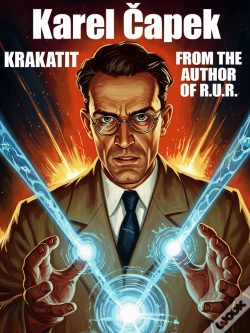
Krakatit eBook
language: english
Publisher:
Wildside Press LLC, April of 2025 ‧
see product details
0,92€
10% OFF
VjFwQ1FqaDVWMHR3ZVRFMkwzRXlWRk5hUTIxUmVtTkNkRlp3Y0NzeGRqTklTSFpMUVhSamJWY3JUR295TXl0VFJYQXlVbkJJTVdsdWFIbHhNbU5qTm5salZFSTRiekZWUzFacWMyTnFRakYwUzFCUlNuVlBaVzVGYmxjdloybFdObmRIV0hwRlZraFdiRkJLYVZoMFl6TkJla0k0TWxJeFIyMXllSHBxT1hoTVQwWjNhRXBYY0ZBNFRsY3lZalJ1YkhrMWN6QTNSVE5vUVRNM05HbHFNRFp1SzBOVlF6TjVjVGxFUjBVd1Z6Rk5VVEpHUm14RFl6TTNkelpEWVcxaldEYzBLMDlKTVhaaWVqUnBURFJHWlZCdVNWTTFTRkpQZERkeVZEVkJlVWgxZVVGR1pYZEZOV2RzVGtkTlprWkpTR3hLUVhobE0zWkhlVFpMU0M5UE9XcFFjWGhvTUhkRmVWQlFMekZXTUZnMFZIbFZTWGxqTW1Kc1VVMVpRelpSWnlzMVptcFhObTlaYWtkVGVWazFNMlpoZDFvdk9USkRja3hGU0hGcFlqaEJZazFLYjNVM1JsZG1RbVp4VWpaWVpsbFZNWE14YWpsbVdXNTJXREl3V0VsMlowMURZVk53UjNkVGQzQmFkM1ZCUjA5RU15OXVkREp1VDBoVFpuaFRNRFpGWlZremRuTlFkRTFrUzFaUGExbHNTM28xY21aR2REWnJkR2haWjFZMWMwcEZTM1pMUmtoMVVFdHRjMFZCTVVkRWQwbG5VbEZGVjFSV1NDOWFSRmxZVEZaV2NrSnFVRTl0Y1U5WmFWVlllRXBzUWtoeGJsYzNZMmhWYzBSR1FrVlpOVzFzZDNOR1J6VlZZbHA1ZWxOSVYyMXhlRlE0ZDFKSmNtMXVaMnRCV0dKMmFITldPVFJCVDNwMVQxaE1WMHRSV1c5TWVVRXJTVlZGY3pCNk5ESXhORXhqUmpsU09UVlZUMFJPV25rNFdEVkZMMk5DUzJGa1ltNDBkRmhZOmROZkY4SHJZa1Q1L0prR0pzNnhOVlE9PQ==
IMMEDIATE AVAILABILITY
Ebook for ADE
SYNOPSIS
After inventing an explosive that could devastate humanity, an obsessed scientist struggles to keep his deadly discovery out of sinister hands. As threats multiply, he faces manipulation, betrayal, and moral conflicts in a tense race against those determined to exploit his work. His quest takes him across a volatile 1930s Europe, as he confronts the destructive potential of human ambition and questions the limits of science and responsibility in an increasingly unstable world.
DETeBook com proteção para wookreaderILS
| Property | Description |
|---|---|
| ISBN: | 9781667605517 |
| Publisher: | Wildside Press LLC |
| Release Date: | April of 2025 |
| Language: | English |
| Format: | eBook |
| Categories: |
eBooks in English
>
Fiction
>
Science fiction
eBooks in English > Fiction > Fiction eBooks in English > Others |
| EAN: | 9781667605517 |
| Acessibilidade: | Ver características de acessibilidade indicadas pelo editor |
ABOUT THE AUTHOR
Karel Capek
Karel Capek (Malé Svatonovice, 9 de janeiro de 1890 - Praga, 25 de dezembro de 1938). Novelista, dramaturgo e encenador checo. Conhecido pela sua peça realizada em 1921, R. U. R. (Rossum's Universal Robots), a mais famosa, onde inventou a palavra ROBOT. Escreveu ainda a sátira "Power and Glory" e o drama "The World We Live In". Formou-se na Universidade de Praga. Foi também editor do jornal de Praga e ensaísta político.
Karel Capek é considerado o maior autor checo da primeira metade do século XX. Foi o maior novelista da Checoslováquia e representante do seu espírito democrático. As suas peças de teatro estrearam na Broadway pouco tempo depois da sua estreia em Praga e os seus livros foram traduzidos em várias línguas. Os seus textos são marcados por uma escrita clara e apelativa, que o torna excecional.
Morreu no dezembro anterior ao início da Segunda Guerra Mundial. A sua morte resulta de um período de uma pneumonia originada por uma greve de fome e recusa de viver no seu país, depois dos aliados terem rejeitado ajuda à Checoslováquia para a proteger de Hitler. A Gestapo classificou-o como inimigo público n.º 2. Depois da guerra o trabalho de Capek foi relutantemente aceite pelo regime comunista checo, já que enquanto em vida Capek sempre se recusou a acreditar na utopia comunista, como alternativa à ameaça nazi.
BY THE AUTHOR
-
10%A Fábrica do AbsolutoAntígona16,00€ 10% CARDfree shipping
-
20%A Guerra das SalamandrasAntígona14,40€
18,00€free shipping