


adicionar à lista de desejos
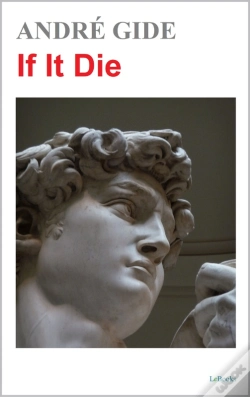
If It Die - André Gide eBook
language: brazilian portuguese
Publisher:
Lebooks Editora, September of 2024 ‧
see product details
1,49€
10% OFF
CARD
YTNZdlpEVk1VVW93ZFdwVmMyTkxMekV5Y0dKbFprUm9kbkYyUnpaTFUwTnlZWFJJVW1wbFVqZG9kWFZPVjJVeE4wbFdRVkIyWTB0Wk56QnNUV3RRS3poQ1lqbFpSM2REYkVabE5XaE9WV3hsVlRGa1FsWk9aMHBPYlhWYWVXMWxZMFV5VFZKclkyTXhUMU14UVhONmQxb3hSWGcwTDFwaFdsRnFSazFzYmxSQ1JtTlZXRmh1YjBGTlNpOXFOVU5ZVTBvNWJFRk1jV05RUzNsdGRFMHlaR3hLVkdkeVdtRlpUMFZzZUdGWGRXSlZhME5XUmxKRFpFZEJiVmw1ZG1adGVHTlZabVl3Ym1zeVMySlROMVpETmxkU1dYbzNVRkpuTDNoR2FGTlhaM1JLUkZWbGRVVTBjMmd4YUhKWVVFNVFWMmh4YkVsMloya3pORUZCUm5wMVNtWXZNbXcwU2xSUmNFOUJlbk40TlZCc1VrVXZRMWhpZVZocE0wbGxLelZ3VEVScGEybE1aMnRxT1c5d1owbEZjMHhYVVVkSVFWRjRaWEpDZFVaRVdHc3JiRms1TmtGRlRIQnVaVVJYZVhneVVGTTRNVmRtUlZsVlVtWmtVbE5ZZW1KdmNUUlJlWE53YUV4Rk5UWXpNMjFSYmxwdmJrOWFZa2RNYkZCWldEbDVPV3BvTWxreFF6TlZOMUp6WVdjd1owRllXRUZRTkRWWWRGVXlUbGN3UjI1WlJXcENSMlo2UzNocGIwVnBaSFYyV0c1aE4weENObGxNYlVOTk0wa3daVUpUTWtWRGQydFRjVXh4YjFCc2VFZ3habFJhUjBkbk9XUlFjVlZIZEN0NVpHZ3hXbkJ1YTFWNWVrSXJURUp6Vnl0QlpIQlNTbk5HVVV4d1dFcGFZbEJyYlVaWWIwdzVTamN2WWpGbGRYWkVhbk1yUzJGRVQyWmtPV3RNV2paM2NFWjBhVWRKY0ZOV1puQXhUMk5qYUhFNGNFUXZjVlp2T1ZKSFpHNHZSbmx5TUM5VmNVczVjSEJ3YUhaRE5pdFRXVmRNVFVjcmRVSmFSME15ZVdjNGQyVlFLMWxJVTJ0eGEwZFVTek56ZGs5QmQyWlRWbTV2SzBwUWIyTTNkRTlFSzNSWU9WQTBhemhZUzJSaVQydG1URlpVZUhVclYzcGhlVlY2VUVKR1preHlaRnBHWkU5aFlWZElaMHBoY2toMmNYZHBWV3BqVkZWdldUVXJTMWhEYW1GTGMwMHZNbU5XUzJOaFZHSTFiMXBCV25WcmJIUjVUalZhSzBaR04xcEVNREprTlZkU1IyZHlNME52UFE9PTpKSEZyNkZNdWhtK3NrWjRGN3V4ZzFRPT0=
IMMEDIATE AVAILABILITY
Ebook for WOOK READER
SYNOPSIS
If It Die... by André Gide is a profound exploration of personal identity, moral ambiguity, and the human experience. Through this autobiographical work, Gide reflects on his formative years, offering an intimate portrayal of his journey from adolescence to adulthood. The narrative delves into his struggles with religion, sexuality, and societal expectations, portraying his inner conflict with refreshing honesty.
In If It Die..., Gide confronts the rigid moral structures of his upbringing, particularly the influence of his Protestant faith. He presents a nuanced depiction of his search for authenticity, as he grapples with questions of desire and identity in a society that demanded conformity. Gide's writing is both introspective and candid, offering readers an unvarnished look into the complexities of his emotional and spiritual development.
The book is not merely a personal reflection, but a critique of the social and moral constraints of late 19th and early 20th-century France. Through his narrative, Gide explores themes such as the tension between personal freedom and societal norms, as well as the hypocrisy inherent in conventional morality. His experiences, particularly his travels and encounters with different cultures, broaden his perspective and deepen his understanding of human diversity.
DETAILS
| Property | Description |
|---|---|
| ISBN: | 9786558945017 |
| Publisher: | Lebooks Editora |
| Release Date: | September of 2024 |
| Language: | Brazilian Portuguese |
| Pages: | 148 |
| Format: | eBook |
| File Format and Compatibility: | |
| Categories: |
eBooks in Portuguese
>
Fiction
>
Fiction
eBooks in Portuguese > Social Sciences and Humanities > Sociology |
| EAN: | 9786558945017 |
| Acessibilidade: | Ver características de acessibilidade indicadas pelo editor |
ABOUT THE AUTHOR
André Gide
PRÉMIO NOBEL DA LITERATURA 1947
André Gide (1869-1951) é um dos escritores franceses mais importantes do século XX. Nascido no seio de uma família francesa protestante, Gide cresceu e foi educado sobretudo na Normandia, num grande isolamento social. Desde cedo começou a escrever, tendo publicado o seu primeiro romance em 1891.
Numa viagem ao Norte de África, foi surpreendido por um mundo de liberdade que, dada a sua educação, nunca antes imaginara, acabando por admitir a sua atração pelos corpos saudáveis de rapazes jovens.
Gide travou conhecimento com Oscar Wilde em Paris, em 1895. O autor de O Retrato de Dorian Gray julgou que lhe tinha revelado a sua homossexualidade, mas a avaliar pelos diários do escritor francês sabemos que nessa altura já tinha plena consciência da sua condição. O drama de Gide era, pois, a conciliação entre a sua rigorosa educação protestante com uma liberdade que sentia necessária para assumir a sua sexualidade.
Apesar de ser casado, Gide envolveu-se com um jovem e ambos fugiram para Inglaterra, o que lhe trouxe críticas tanto da França católica, como da França protestante. E se é certo que a sua obra é admirada e tem uma clara influência na formação de jovens escritores como Camus ou Sartre, sempre que Gide abordou a sua orientação sexual, a crítica com afinidades católicas e protestantes não lhe deu tréguas.
Como tradutor, introduziu as obras de Joseph Conrad em França. A sua atividade de crítico e escritor foi contínua, mas acrescentou-lhe uma vertente de defesa dos Direitos Humanos da qual é pioneiro. Por um breve período foi simpatizante dos ideais comunistas, mas, convidado a visitar e a discursar na União Soviética, regressou desiludido com a censura dos seus discursos e o estado geral da cultura no país.
Em 1939 tornou-se o primeiro escritor vivo a ser incluído na famosa coleção Bibliothèque de La Pléiade. Em 1947, recebeu o Nobel de Literatura.
Morreu em 1951. Um ano depois, a Igreja Católica Romana colocou as suas obras no Index Prohibitorum.
A ficção de Gide e os seus escritos autobiográficos estão traduzidos em mais de 40 línguas e o autor é hoje reconhecido não apenas pelo seu génio literário, mas também como uma das primeiras personalidades a assumirem a sua homossexualidade, discutindo abertamente a sua posição com a moralidade vigente.
BY THE AUTHOR
-
30%A Sinfonia PastoralRelógio D'Água10,00€ 20% + 10% CARD
-
30%As Caves do VaticanoEditora Guerra & Paz13,60€ 20% + 10% CARDfree shipping