



adicionar à lista de desejos
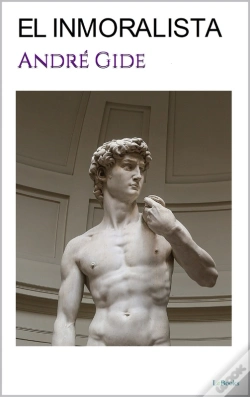
El Inmoralista eBook
André Gide
language: brazilian portuguese
Publisher:
Lebooks Editora, December of 2022 ‧
see product details
1,90€
10% OFF
CARD
WVd0MlFtSmtTSE1yWmxsV1kxUnJlRGx2YkdOaFpuQk5iVEZuVjFGQ2QyUTROa2M1VFZwVVdHbDFOM1J1VG5sQ05HTlBkRzFLVW5oaWFsZEpZVXg1VHpGMVdpODRTM1ZGUkc1YVV6RXhSMU5xWVVJMlEwWkRiVGhQY21oaGRtNXpVRXRxWldvMlIxSk9ia2wxTWpoRE9XOWFOVVkyZDFBcldqVXdaWEJNT0hOSVNuVXdMM0p2TVhCdmR5OVliM1V5TDAxM1RqaHhRM1J2TkZSeE5WTjNkVTFvYTFGQllteGllRzl0VlZkVldFTmFPR2hpVWpWTFdDdGphVzFaZVc1WVdIbE5TeTh4WkVJd2FYTlBhMUJTS3pGSlJ5dHFjRUp2YWs1YVJXMWFXVzlYWjJoU01WaDVUM2hFYXpkVVVVOUZOa05GVGxCRWRFcHlWVTkxYlZKVVNrRTBXVzlaTTA1VVdXbGhZbGhqWmtsS05qbEJVV0pPUlc1cFUxcFBOMGsxU3pKQlNscEhNMWc1TmtwdlFYTjJMMDFpWmtWcEwyWkJTbFp6VEVnNFRuUllWVzVpWXl0T2JWaHpjQzlrTW1aV01YVTRPRlpVUzJwcFJVRlhlRFpMYWtod1QxTlZhakU0WkVoeVMydDBXWFJJWWtSRGNFaDBSbmhLY1RWMVFVTk5NWE5uZUVOU2EwWTRWVEZ2Vnl0MU1XTXZSMFJJT0ZWeFYyc3dhVGh5WVdOc1RGVlBlV042VkVwalprZGpMMkVyTDBsV1duWlhNa0Y2ZVUxM016aExiME5rU0VVeEx6bFdiRmxOZG5GdWNXaDJjR2RHUjNkWk1ITjJLMDF4VFdkV1RXTmpVa2gyU0ZGck9UbG5iREJpVDNOemRHNVZUbEowUTFaYVZGbHNORWQwT0c1TU1XaDRlbVp6YkRJeVlUUnNOVXRsZFVKemRrSlRSRGRhZDJwaVlXbE9WMUZrWjFaQlVVTjVTWGwxU0ZCR2FWVnFURXRRWkUxMWVtWm1SVGhWWldoNFdXMXpVV3hxWkZSQ1ZXMHdaV2t3TDBvNGRIUlNOVnBNTkc1UU5XcEdlVWtyUmpSTVNWQllWMDl4YXl0blpUWlJWRzFwZWxKMmJrUlBXWFZPZDFaeVV6TnJkV2MyUldONFFuUk1RVFZ5YldsbFZXZzFjM0J2WkZSekwxUjJhR3BpYjFWWk1Vb3ZZMFF4VURaMmNqaHRSalpCY1c5UWFuTk5UMDFzZUVzemRVMVNXa2syYjJKa1YxbDVLMVp4UlhkSFNtSTBjVXBNY1ZseE9YQXJRa1EzYmxCYVlrMUlVbnBOUFE9PTptWGlQclFBclMzdzgvY0JDQ1BMUnV3PT0=
IMMEDIATE AVAILABILITY
Ebook for WOOK READER
SYNOPSIS
André Paul Guillaume Gide (1869-1951), conocido como André Gide, fue un renombrado escritor francés. Premio Nobel de Literatura en 1947 y fundador de la prestigiosa Editora Gallimard, André Gide es el autor de livros memorables como: "El Inmoralista", "Si la semilla no muore", "La puerta Estrecha" "Los Monederos Falsos", entre otros. Su obra tiene muchos aspectos autobiográficos y en ella se exponen conflictos morales, religiosos y sexuales. El Inmoralista es una parábola sobre la dialéctica entre la naturaleza y la moral, así como una reflexión sobre el despliegue de la libertad individual. Obra provocadora de reflexión que mantiene aún todo su poder de desafiar las actitudes complacientes y las presunciones culturales infundadas, narra el intento de un joven parisiense por superar el conformismo social y sexual. El Inmoralista forma parte de la famosa selección crítica: "1001 Libros que hay que leer antes de morir".
DETAILS
| Property | Description |
|---|---|
| ISBN: | 9786558941828 |
| Publisher: | Lebooks Editora |
| Release Date: | December of 2022 |
| Language: | Brazilian Portuguese |
| Pages: | 96 |
| Format: | eBook |
| File Format and Compatibility: | |
| Categories: |
eBooks in Portuguese
>
Fiction
>
Fiction
eBooks in Portuguese > Social Sciences and Humanities > Sociology |
| EAN: | 9786558941828 |
| Acessibilidade: | Ver características de acessibilidade indicadas pelo editor |
ABOUT THE AUTHOR
André Gide
NOBEL PRIZE FOR LITERATURE 1947
André Gide (1869-1951) is one of the most important French writers of the twentieth century. Born into a French Protestant family, Gide grew up and was educated mainly in Normandy, in great social isolation. From an early age he began to write, having published his first novel in 1891.
On a trip to North Africa, he was surprised by a world of freedom that, given his education, he had never imagined before, eventually admitting his attraction to the healthy bodies of young boys.
Gide met Oscar Wilde in Paris in 1895. The author of The Picture of Dorian Gray thought that his homosexuality had been revealed to him, but judging by the diaries of the French writer we know that at that time he was already fully aware of his condition. Gide's drama was, therefore, the reconciliation between his rigorous Protestant upbringing with a freedom that he felt necessary to assume his sexuality.
Despite being married, Gide became involved with a young man and both fled to England, which brought him criticism from both Catholic and Protestant France. And if it is true that his work is admired and has a clear influence on the formation of young writers such as Camus or Sartre, whenever Gide addressed his sexual orientation, critics with Catholic and Protestant affinities did not give him respite.
As a translator, he introduced the works of Joseph Conrad to France. His activity as a critic and writer was continuous, but he added to it a human rights defense of which he is a pioneer. For a brief period he was sympathetic to communist ideals, but, invited to visit and speak in the Soviet Union, he returned disillusioned with the censorship of his speeches and the general state of culture in the country.
In 1939 he became the first living writer to be included in the famous Bibliothèque de La Pléiade collection. In 1947, he received the Nobel Prize in Literature.
He died in 1951. A year later, the Roman Catholic Church placed his works on the Index Prohibitorum.
Gide's fiction and autobiographical writings have been translated into more than 40 languages and the author is today recognized not only for his literary genius, but also as one of the first personalities to come out as homosexual, openly discussing his position with prevailing morality.
BY THE AUTHOR
-
A Sinfonia Pastoral10%Relógio D'Água12,50€ 10% CARD
-
O Imoralista10%Cavalo de Ferro14,99€ 10% CARD