


adicionar à lista de desejos
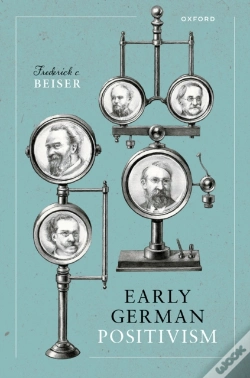
Early German Positivism eBook
language: english
Publisher:
OUP Oxford, November of 2024 ‧
see product details
64,39€
10% OFF
Tm1JemFuVnBNV1JhU1ZBM1JreDNiblJ6WXpobGVrOXBVakpwTWk5SUx6UnBlWFkzVUcxaVV6TXhaelJET1dGWVNTOUVlSGQwTkVkbU9WbEdiaXRxWjIxSGVVWnJMMUJKTmtkNU4xSjNTRlJsV1hkQ2JHTXpjWGhuZVdaRVEyUkdaM0p5VW00MFNXdFFUSGRYUTBkQkwybFBhM1JpZUhkRlFXMXNTRU5EY21KTU0zSkVWR2xHVFcxRGNDc3ZWVlZpZDJwWmNqbFhVRk5PVDBwQ2NtWTFjbXMyU0doelRHeE5WVzlwTWpOblVFRmlUWGxzYjBSUU5ubzBaQ3RqZW1NM05tNW1hbWRZUlN0MVdXSnFPVFJvZVcwclNFSldaRWRUVmtwU2JGTktUMEptTkhKRlRGQnBlWGh6ZEZSb1ZHdDRka2hzWlV4QlNVdGpVV3BHUW04MGVXeFFjWE14TVRaa2VXWjFZbTEzUW5Wak1uTjNNR1JVVFRJM1JUQXdXbE4yYjI5dWVGTlJaalJ4YlhwNU5ITXJOV1pDWmsxR1RGZERlRkJqZDBWdFYySTRNVWR6Wkd0d05rZ3hVM294YVdKaU1WZFFUR2Q0TkZKbGMzUlZRWFV5TlVRd01tdFBiMjFNTlRobVkzQjJVbVkyZEdaVVpsWTBLMmhIYVVWQ1ZURm5abnB4TTFOM05uQkhTVXB4WjJSMVUxcDJNMWRpTUZkNlkxRlVMMUpLVnpJMGFreFJaRVJ1UTNKelpEWXJjVU42Y1VSTGRrbDVSaTlKWWtWVWRuWm1kVVkxZDNweldITjZNMGxWVUVRd2ExQklXR3AyT1U5Q1IxQklkMDkyYkZoR1F6QnpkR2h2VEZKMVNFZHVkMVZxTm1sbVkwRnlObXg2Y1ZkaFVrdDNkaXRCTkdWa1drWlRRMHQzUmpaTk9TdG5UMlJKYjNsMlVVbGlOREptWlRncmNHaE5ibk5EYUhSQllubFlkV0ZHY1doMFptZDFZVm81YWtGS2NYTlZOV1ZhOjNDWmlnWXV2c0RwbXA0OURCWmFpR3c9PQ==
IMMEDIATE AVAILABILITY
Ebook for ADE
SYNOPSIS
In Early German Positivism, Frederick C. Beiser explores a much neglected or forgotten period of the history of philosophy: the history of German positivism from 1860 to 1907. Almost all studies of positivism revolve around the Vienna Circle. Instead, this study covers positivism even before the first Vienna circle (1907). Beiser delves into figures almost completely forgotten in the German and Anglo-American worlds: Theodor Gomperz (1832-1912), Eugen Duhring (1833-1921), Ernst Laas (1837-1885), and Friedrich Jodl (1849-1914); he also examines Ernst Mach (1838-1916) and Richard Avenarius (1843-1896), who are much better known but contemporaries of these thinkers. Several positivist themes unite these thinkers: rejection of the synthetic a priori; opposition to pessimism; a philosophy of monism, naturalism and historicism; and the belief that the highest good can be achieved only under the guidance of science. Early German Positivism aims to place positivism in a wider intellectual context, which goes back to the Enlightenment and the opposition to the Christian tradition.
DETAILS
| Property | Description |
|---|---|
| ISBN: | 9780198927266 |
| Publisher: | OUP Oxford |
| Release Date: | November of 2024 |
| Language: | English |
| Format: | eBook |
| File Format and Compatibility: | PDF para ADE |
| Categories: |
eBooks in English
>
Social Sciences and Humanities
>
Philosophy
|
| EAN: | 9780198927266 |
-
10%After HegelPrinceton University Press33,80€ 10% CARDfree shipping
-
10%El Imperativo RománticoEdiciones Sequitur23,45€ 10% CARDfree shipping