




adicionar à lista de desejos
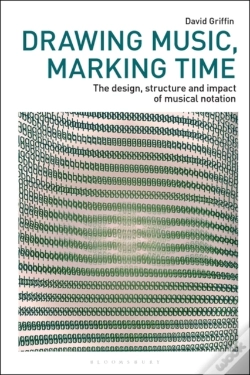
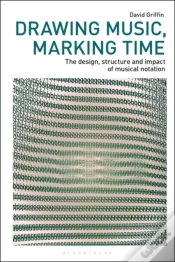
Drawing Music, Marking Time eBook
The Design, Structure And Impact Of Musical Notation
Book
eBook
language: english
Publisher:
BLOOMSBURY PUBLISHING, January of 2025 ‧
see product details
91,22€
10% OFF
UWtkSWJ6aFlZblZ4WjBWc2RscFlUVnBNVVhGYWFUUTVkMDV1WmpVemNXODVkRlVyYm5oSVVHcEZZV3B2YzFwU0sybFVkSEoyVkhCaVlrMVNSMUoxZFVsQ1FuSTFMeTgwTDBKUVRubFNjbGRZVVRNNU9GZENhMGxLVVRGaWNITk5XbXBWU0dGUFVXUnJSbTFKVm1vdmVtWlZWVmN2YkdScWNqTnFVbXhYVGpSTlVYTktTRW92SzJSTVdWaEdXRXhMWmpoV2JraE9NRzgzVEVsWGFqTmtaRkY1T0ZoaGJYYzVURWxZYUZSaVQwSjBZVlpMVDAwd00yRk1MMDFNYkhsSVRIWnVaR2xaUm5SeVZsRndkV1pOZWk5RGQxaElTVWRNTDJKYVNsaFNPRVJYYTFZNFNsVnVVVmNyYjB0dVYxWm5WMkpKWnpWR05reEVWMDFyV0VaaVYydEVZVFpNVVZOblpXdEpkMFJWTkRFNFVscHBXVTkyUnpKVmEwSkhWWFozTlhGVlJGbHJTV1J5ZWtOS0wzUjRVRmxMVldGa1kzSjRlbXByUVhOQk5VdEljU3RMTlZCS00zYzRha1E0ZEdSRFJtZHFRMjVPZEhGUFpVTkdhSE5JYWtvMGVDdDRkM2xXVlVSVVIxRkxWbHBLUkM5MVlWaFBOR1JSVDNSeGMyRnRMMk56VFRkblNtYzNVRzFQVm5wRlVVRTFRbEZXTnl0bVoyY3daRWRyWVVVdlpHRjJTVXRLZFhkbFFVRlRkbHBsUkVKTFVXZDJlVnBZYm5FemR6SmlTVzVPUjJwMFkzWnZlRzB2Y2poSVNURXphbU4yWkdJd1VtcFpObVJMTkhoeFZYSkRkM1JRTVVWWWRFcHJOSFo2ZVV0TWVpOXBNRk5YVjBFMWVFRkdkbFJOVDBKak5IZFJWbEpRY0RsQ1RqQnpia3BEZURoWlJVNU1jRE4zZGt4QmFTdEJiblZCVVdGNFdHbFJPR05aTTBNNU1ISlhWMGxPTVRsUFNIUk1NazAyOmJNczBOeGpyNHlMV1JKM0xZNnROK3c9PQ==
IMMEDIATE AVAILABILITY
Ebook for ADE
SYNOPSIS
Marking down the complexities of musical pieces on paper allows them to become portable, shareable, and eminently teachable, but how are the simple geometries of a music notation unfolded into space and time?
A music notation is an almost impossibly complicated bit of drawing. Calling it a map or a diagram does not quite do the trick. Its tracery supplies mechanisms for planning, composition, analysis, annotation, and performance of music. But how is it that we read that simple, strategic two-dimensional geometry and make such complex, four-dimensional performances? In this book David Griffin guides readers to a comprehensive understanding of the structural properties of music notations, with a particular focus on the standard Western staff notation system, looking at composers such as Bach, John Cage, Earle Brown and Stockhausen.
Developed over a thousand years ago, the staff notation is a geometrical drawing method using dots and lines on a horizontal timeline for explaining the structure of a musical piece. The system behaves a bit like a picture, but it is also like a diagram, and a bit like writing in its structure. In the hands of an experienced user, the notation''s complex of marks and phatic elements allows us to leave behind the mere denotation of diagrams or pictures to become a connotative drawing system.
This book will attempt to de-code music drawings, untangling their strange knots of graphic and linguistic elements. Using a series of visual examples, Griffin presents background information on how the staff notation developed as an inter-linguistic inscription, a drawing that slips through the mere denotation of pictorial or diagrammatic graphics to become a connotative system, with which we may craft subtle and powerful elements of musical poetry.
A music notation is an almost impossibly complicated bit of drawing. Calling it a map or a diagram does not quite do the trick. Its tracery supplies mechanisms for planning, composition, analysis, annotation, and performance of music. But how is it that we read that simple, strategic two-dimensional geometry and make such complex, four-dimensional performances? In this book David Griffin guides readers to a comprehensive understanding of the structural properties of music notations, with a particular focus on the standard Western staff notation system, looking at composers such as Bach, John Cage, Earle Brown and Stockhausen.
Developed over a thousand years ago, the staff notation is a geometrical drawing method using dots and lines on a horizontal timeline for explaining the structure of a musical piece. The system behaves a bit like a picture, but it is also like a diagram, and a bit like writing in its structure. In the hands of an experienced user, the notation''s complex of marks and phatic elements allows us to leave behind the mere denotation of diagrams or pictures to become a connotative drawing system.
This book will attempt to de-code music drawings, untangling their strange knots of graphic and linguistic elements. Using a series of visual examples, Griffin presents background information on how the staff notation developed as an inter-linguistic inscription, a drawing that slips through the mere denotation of pictorial or diagrammatic graphics to become a connotative system, with which we may craft subtle and powerful elements of musical poetry.
DETeBook com proteção para wookreaderILS
| Property | Description |
|---|---|
| ISBN: | 9781350447509 |
| Publisher: | BLOOMSBURY PUBLISHING |
| Release Date: | January of 2025 |
| Language: | English |
| Pages: | 168 |
| Format: | eBook |
| Collection: | Drawing In |
| Categories: |
eBooks in English
>
Art
>
Music
|
| EAN: | 9781350447509 |
| Acessibilidade: | Ver características de acessibilidade indicadas pelo editor |
BOOKS FROM THE SAME COLLECTION
-
10%Drawing As PlacemakingBLOOMSBURY PUBLISHING PLC103,42€
114,91€free shipping -
10%Bodies And Space In Architectural DrawingBLOOMSBURY PUBLISHING PLC103,42€
114,91€free shipping
-
10%Plomberie 101MODUS VIVENDI18,45€ 10% CARDfree shipping
-
The Secret To Financial SuccessIndependently Published5,76€