








adicionar à lista de desejos
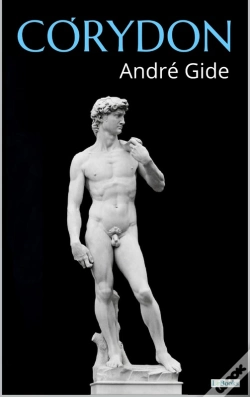
Córydon - Gide eBook
language: brazilian portuguese
Publisher:
Lebooks Editora, August of 2019 ‧
see product details
1,49€
10% OFF
CARD
Ykd0M1ZVOXlZVmh3TkhwRlozRk9ablJwV0Rod1FUZDJXV3B5UTA1VVQyNXNNVXB3U25oM2RHVndZemhWTVV0bmVXcDVOMlZNVlZKM1NVRjJVMmRDSzJORVl6Tk9ibXhQYUZVeFVtNUhSbmd4YkVoM05rRm1ibHAwVkZOT1MzZ3hURmREUzFjMlJHVTVWMkZMSzJ0VmNrUldaemhsTUVzeWJrZGtUblJtWmxJclpHZEdSVWxpVVRaeU5rbFNORUZXYTFRMVZXSXhaMVZtUTFWelZVeGpRbEU0T0M5a1QzcG9UV1JWWmpSSWNHcFlMemxzVUc1MVFqTXZjbTR5YmtkUU5XczBhVFF3SzJ4bE4yaE1jbXcwZGl0QlNuUnFRVk5hUkhOUFNXeEdNRXBuV0RkRVRtTnNTVGQyWVdaR09Ia3pNelpRUXpNMFpXOXdVV0Z2U1VsR1JWUjNXV0l5TTJ4V1FtcFZia1p5ZFhwQ1VYZE1ha3RtT0V0d1lYVTRlbGt3VkhGNVJuQkxTVXhpVW5sNWRsQTVaakJwY1Zkak5WVTJVV0l6YkhaeUwxVXJNMng2Yld4b1ltbG5ORzU0TjIxUWVWbFBSMWRYZURack9Wa3hTWHBGZHpWbk5tNDRlbmRQWldNMFVrRXdiblExSzJKT1ltMXJha0oyU1hSTVIzSkNhMWxPZEcwdlFsQXdTRlZoY1ZkbE1uVTVRemM1T0dGVFQxZGpWekpHT1c5dFR5OVpPWEIwYUZWTGEwZGtiVk5aUjBodVNtbEZZalF5SzFJclRTdDZOWE5xZFd0NkwyaFhTMFYxYkRSYU5tcFNNak5uVkRZMVJTdE9WMjlqWkdORmVrWnVTelZKTW5kNlRVNHJaVXN3ZDJsM2EwaExjM2xGVUZKMFFrRkJkRWhVVFRrd1MxZENiMHN6TjNOeVVYSnFaaTlGWmtzMVRsWnNXbWcyVDJoRU1EaEdWM2N4VVc5MGFITnNXWEJoVkdOYWRYQmhMMVZUS3k4M00zVXhMMU5uYTBSQlZGTjFUV0ZIWTFZMVVXdFBZV2syUjFSU09FUjZiVE52VjBWTmJYSndVVkV3ZVZWaFZHSnVia2RrVUZvNFpIRTJhVzFpU0RoemVDdHRlRWRIY2pob1lsTlNOakZVU0RZM2NGUkNSbVJ6Y3pabVMwc3JjRVZTUW1GVE4xYzVPSFprVG5sdE4xaHlRelZ0V0doQ2NHWlNkSEowUlVGaFVWTjBRakprY1RZd2JWUTVSbU55YTJGRFdWWllVVFZWY1VkTk4wNXhWSFpMY1dObllrcFFkR2h4ZUdaNmFGQjVWVWxSUFE9PTpTOENXWFR4VFZScWlRclNQMDZSZjdnPT0=
IMMEDIATE AVAILABILITY
eBook with wookreader protection
SYNOPSIS
Corydon é o título de um conjunto de ensaios por André Gide sobre a homossexualidade. O texto foi publicado separadamente entre 1911 e 1920, e o livro completo apenas teve a sua primeira edição em francês em 1924. Os ensaios fazem uso do testemunho de naturalistas, historiadores, poetas e filósofos para suportar o argumento de Gide de que a homossexualidade existia nas civilizações culturalmente e artisticamente mais avançadas (como na Grécia de Péricles, na Renascença italiana e na Inglaterra isabelina), o que se refletia em escritores e artistas de Homero e Virgílio a Ticiano e Shakespeare nas suas representações das relações homem-homem de forma não platônica ou de amizade, como outros as proclamaram. Corydon, assim como seu autor, sofreu fortíssimas reações da conservadora sociedade da época, mas que o autor fez, foi simplesmente discutir abertamente o tema Homossexualismo em termos sociológicos e históricos.Corydon é um livro profundo que merece ser lido, independentemente da visão do leitor sobre o assunto homossexualismo.
DETeBook com proteção para wookreaderILS
| Property | Description |
|---|---|
| ISBN: | 9788583863809 |
| Publisher: | Lebooks Editora |
| Release Date: | August of 2019 |
| Language: | Brazilian Portuguese |
| Pages: | 96 |
| Format: | eBook |
| File Format and Compatibility: | |
| Collection: | Prêmio Nobel |
| Categories: |
eBooks in Portuguese
>
Social Sciences and Humanities
>
Sociology
|
| EAN: | 9788583863809 |
| Acessibilidade: | Ver características de acessibilidade indicadas pelo editor |
ABOUT THE AUTHOR
André Gide
PRÉMIO NOBEL DA LITERATURA 1947
André Gide (1869-1951) é um dos escritores franceses mais importantes do século XX. Nascido no seio de uma família francesa protestante, Gide cresceu e foi educado sobretudo na Normandia, num grande isolamento social. Desde cedo começou a escrever, tendo publicado o seu primeiro romance em 1891.
Numa viagem ao Norte de África, foi surpreendido por um mundo de liberdade que, dada a sua educação, nunca antes imaginara, acabando por admitir a sua atração pelos corpos saudáveis de rapazes jovens.
Gide travou conhecimento com Oscar Wilde em Paris, em 1895. O autor de O Retrato de Dorian Gray julgou que lhe tinha revelado a sua homossexualidade, mas a avaliar pelos diários do escritor francês sabemos que nessa altura já tinha plena consciência da sua condição. O drama de Gide era, pois, a conciliação entre a sua rigorosa educação protestante com uma liberdade que sentia necessária para assumir a sua sexualidade.
Apesar de ser casado, Gide envolveu-se com um jovem e ambos fugiram para Inglaterra, o que lhe trouxe críticas tanto da França católica, como da França protestante. E se é certo que a sua obra é admirada e tem uma clara influência na formação de jovens escritores como Camus ou Sartre, sempre que Gide abordou a sua orientação sexual, a crítica com afinidades católicas e protestantes não lhe deu tréguas.
Como tradutor, introduziu as obras de Joseph Conrad em França. A sua atividade de crítico e escritor foi contínua, mas acrescentou-lhe uma vertente de defesa dos Direitos Humanos da qual é pioneiro. Por um breve período foi simpatizante dos ideais comunistas, mas, convidado a visitar e a discursar na União Soviética, regressou desiludido com a censura dos seus discursos e o estado geral da cultura no país.
Em 1939 tornou-se o primeiro escritor vivo a ser incluído na famosa coleção Bibliothèque de La Pléiade. Em 1947, recebeu o Nobel de Literatura.
Morreu em 1951. Um ano depois, a Igreja Católica Romana colocou as suas obras no Index Prohibitorum.
A ficção de Gide e os seus escritos autobiográficos estão traduzidos em mais de 40 línguas e o autor é hoje reconhecido não apenas pelo seu génio literário, mas também como uma das primeiras personalidades a assumirem a sua homossexualidade, discutindo abertamente a sua posição com a moralidade vigente.
BOOKS FROM THE SAME COLLECTION
-
eBook10%PanLebooks Editora1,49€ 10% CARD
-
eBook10%Além Das ForçasLebooks Editora1,90€ 10% CARD
BY THE AUTHOR
-
20%A Sinfonia PastoralRelógio D'Água10,00€
12,50€ -
10%As Caves do VaticanoEditora Guerra & Paz17,00€ 10% CARDfree shipping
PEOPLE WHO BOUGHT ALSO BOUGHT
-
eBook10%Tecnologia Versus HumanidadeAsociación Gradiva9,90€
11,00€