


adicionar à lista de desejos
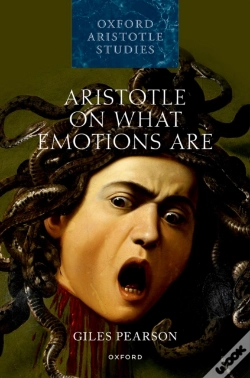
Aristotle On What Emotions Are eBook
language: english
Publisher:
OUP Oxford, July of 2024 ‧
see product details
102,35€
10% OFF
TkhCcFpqSlBOV1VyZWxscFZUWkxLMkpCVEZOeFIwOTFSekZHWWtsaU1XNUdZbUp0YVVOWlpsaExRMlJpV0U5R05YRm1SVGd4VUdVNVpIWkxhWFpDWVdaVGVVUktXV2xITDBSWFJqVnBURll2TTBvd2VVVndaR2RPU0ZvMlVIVmpPVGc0TjFGTlFVVTVSbVJTTkVGak56YzRUSFJQUmxReVIzbHZZVUkwV1ZSbFdVZGlialpXZDBweE4yNHlPSFZxSzA5Vk4wdFBjMVJXVldnMlowdGxPV05tWm1ZNE5saDNRMXB0VXk5cU1WQmxMMHBuSzBSQmRXaFRVSGhaVDJocGFUa3hSWFZEVm5ScFRsWk1SbUU0SzNVd1MyOHhWRTl0Ym05S09HTndiMDlOVVRSQ1N6WnRWblJuWnpnd2RHVmFXVzlPUTB4V2RsVnNjRWQxT0hOR1FuUjNNMkl6UzB4aVJteGFTek5CWXpGcVJrZzRMeXRIYkRFME4xSjVXa014TUU5dk1VZFFWRWxKVUVsMFZrOURRVEp2ZVRWV2JXaFBiRUZGTURCc2FrWnpXR3RvYm5wdldHMHlZekpIYVhsVGNHNWthRVphZG5Ca1dGZzBUM2MwYkVGcFZXTk9kRGRYYWpoME5GbE5jalk0VGtkQ1lqSnVkbmxZU21FMmJYSjZiVk41ZDNWTWRFSkpWbEZxYVZKa2EwUmlNR3gxT1RCNk9FNXNjbTlGY1RBMlVqaDBlVEZ5WVZWT1YyTTNjMnhYVUZOaE5tWlVZbEJvZVVSdmVtRmxNalpTU0VndmFtUnZOakZCTjJOVFoxSTBRVWRwY2xoaVpuWlhaSFpRZEZJclFrdHRTWEI1T0Zsa1JWcHJlVmcxTkVoaU1tOXNTME0yTlVReloxZE1jRXA1VjB0TVRXUjBUbmRRUmtWbWNUVnZjSGN4TURSWk56SnpjMjl5YkdZdlNtcEhMekZXV1VNdk5XZFZlbmtyTms5blpHUlRhVkZtYW1sMGNGUk5aelF3OjdyMlllNWN4d1N6Qll4TWo3WjNjb2c9PQ==
IMMEDIATE AVAILABILITY
Ebook for ADE
SYNOPSIS
This book provides the first systematic interpretation of what Aristotle thinks occurrent emotions are and points to some philosophical merits of his account. It is argued that he holds that emotions are representational pleasures or distresses that are formed in response to other intentional states that apprehend their objects. Even this bare formulation of his view is notable in several respects. First, the idea that the pleasures or distresses of emotions are representational--directed at objects in the world (or ourselves)--contrasts sharply with accounts that identify emotions with non-representational sensations or feelings. Second, the notion that emotions are pleasurable or distressful responses to other intentional states that apprehend their objects provides a fundamental contrast with many current accounts which instead view emotions as (in part) modes of apprehension or kinds of epistemic state themselves. Third, Aristotle's view stands in opposition to motivational accounts of emotions, insofar as while he thinks that emotions interact with desires or motivational states in important ways, he does not think they are themselves (even in part) motivational states. They are representational pleasures or distresses alone. Together, these three points give Aristotle a novel understanding of the representational role emotions play; namely, neither descriptive, nor prescriptive, but reactive. Besides developing these ideas, both textually and philosophically, the book also explores how Aristotle individuates emotion types; his understanding of the material dimension of emotions; and how his view can provide a novel explanation of recalcitrant emotions, a notoriously problematic phenomenon for many recent accounts of emotions.
DETAILS
| Property | Description |
|---|---|
| ISBN: | 9780198879398 |
| Publisher: | OUP Oxford |
| Release Date: | July of 2024 |
| Language: | English |
| Format: | eBook |
| File Format and Compatibility: | |
| Collection: | Oxford Aristotle Studies Series |
| Categories: |
eBooks in English
>
Fiction
>
History of Literature
|
| EAN: | 9780198879398 |
| Acessibilidade: | Ver características de acessibilidade indicadas pelo editor |
BOOKS FROM THE SAME COLLECTION
-
Aristotle'S Defence Of Philosophy In The Protrepticus10%Oxford University Press111,93€
124,37€free shipping -
Aristotle On The Essence Of Human ThoughteBook10%OUP Oxford94,19€
104,66€