


adicionar à lista de desejos
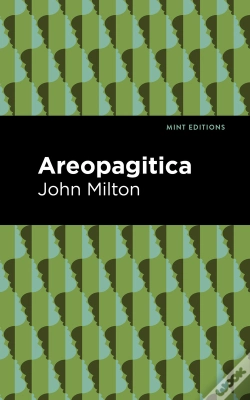
Areopagitica eBook
language: english
Publisher:
Mint Editions, February of 2021 ‧
see product details
6,61€
10% OFF
CARD
ZVdaMlVTOXVVSGhHV0hSWmFrRnllWEZyT0doV2RrNVRWVWgyT0c1SWNIbDFNakZaYkU0eVQzSm9kUzlPTDBWUU1VeEhaMlZtVkdwd09YVkJVVUpPUjJWbVMyOW9iRmhNZFhaRVpWQnlSRTloV21nM01VRm5VeXRPZEdsVU5TOWhaRzAzV1RKTlptZzNRak0wZVVSRlQzTnNOa1pwVW5wRFZsSTRRV296V1hjMVoyb3plbVZPUVVWblVDOUZXRFZJUzAxdmFEUXdURk5qUlRCSE0wOVlabWhXWjFsR1dWTlpWMGgxWVZKbE1tdFlWbFF3YTBoM0sxUkJlWE5vU1c1bUwyVm9jRWxZZUZsakswVjJZMWQ2WkVWVldWUkxRM0pIYUZWcmVHY3ZWM2ROY1UxdWNtZEdaRWN6UVd3eVUyRTRaa2wwZVVSU1IwZE9iVkJKZURGWGNHSXpNRzFQTTBKVmVscEtNSGxRV0dwVVNGUnlaM1pwSzJSVFZIaGFjMjR2VjFGRlYxcHlRMmRrZUVkVWIxRXJLemx4SzJaMVVWVjZZemN3U1RRdlZEQkhOVGd2ZVhJMk9FbFBlakpOVlhOU1VGcEtWMEZJVXpWVFpqSlphRE00UTFNM09VY3dVaXR4U2xWNVVsSTJjM1EwY0N0M1l6WnhVVlZuZUdZck1HVlRaelJTV1dWcWJua3ZiM05IUjNZeVdUWkRkVzAxUTJwVk5XTkRiRVZVUTNVd2NIUmtSMjFHYjAxelpsZFRjM05IU3pGVlNXeE9lRGd2YkhOSlkxVnZSMGR5YzNGMlJWbG1LMHAwTUVOeFNrbDJMMlJCWVRkc1ZrRjJTVnByVms1dFZVZGxlVEl2VjJGWVJYWktkV1pNT1M5VlVreEVWWGhUVlVVcllXZG9kREZ3VUM5NVZVOVFlSFF3TVZKTk5saE1UakJYWmpOS05UQmpZeXQ2ZG1RM1N6TmljREl2UlZWcFl6UlpXRkpKY0ZWTFlVMVFiazFzY21SNVpFUm9SV3RDUWpWaFltRTRVREV4UTNCb1JtdGtUa3AxTkZwaU5FUk9kVWRuTDJsTU5Vd3lSblpyTlUxWmJHOWlUMHRoZDB4elMwMTBUbkYzZGxRdmVsUjBka1ExTVZWSU0wSlpaVXhvYnk5MGFFTmhSV3g1VWtWUlRXdEtkVzFhUW5WMk5DOVhkRXg1WjJKVmNXVmplalZIYkdodmVVUmliMW93VDFKQlFUQlVlV05ZWVROak9VUmtTMk5xY2pWRk5UWkxSek5SV25sU1RYWnVWbGx1U0ZjNUsyOWxZMmRYUnpSMVZrUTVMMWwzUFE9PTo0eVNiVjB3QnpPZFNrajNrb1RZYjNBPT0=
IMMEDIATE AVAILABILITY
Ebook for ADE
SYNOPSIS
From the author of the esteemed epic poem, Paradise Lost, comes one history’s most influential arguments against censorship. John Milton was known for his linguistic genius and political activity, often writing to support his views. During the height of the English Civil War, Milton published Areopagitica. Structured like an oral speech but delivered by pamphlets that Milton illegally printed and distributed, Areopagitica argues against censorship and advocates for the freedom of speech and expression. Published in 1644, Areopagitica is a direct response to the Licensing Order of 1643, opposing it so much that Milton defied the order to print his polemic. The Licensing Order of 1643 required authors to obtain a license from the British Parliament before their work could be published, which meant the government could control what was printed, and censor anything that went against the social norm or criticized their policies. Milton created an argument against this order, providing historical evidence and context against the licensing system, imagining the future harm the order would cause, and advocated for the use of books and literacy. Despite Milton’s avid and passionate argument, the right to a free press was not achieved for nearly fifty years. Still, Areopagitica shaped future philosophical and political ideas in several countries.
Areopagitica by John Milton is regarded as an important historical document, an influential text, and a perfect example of the intelligence of the legendary author, John Milton. As it was published in response to major historical events, Areopagitica preserves the emotional responses from English citizens during a crucial time in their history, and is regarded as one of the most influential arguments for free speech. Though John Milton did not achieve his original intentions, Areopagitica set a precedent for the philosophy of free thought and expression, which in turn has shaped the modern idea of freedoms and their implications.
This edition of Areopagitica by John Milton features a striking new cover design and is printed in an easy-to-read font, making it both accessible and modern.
.Since our inception in 2020, Mint Editions has kept sustainability and innovation at the forefront of our mission. Each and every Mint Edition title gets a fresh, professionally typeset manuscript and a dazzling new cover, all while maintaining the integrity of the original book.
With thousands of titles in our collection, we aim to spotlight diverse public domain works to help them find modern audiences. Mint Editions celebrates a breadth of literary works, curated from both canonical and overlooked classics from writers around the globe.
DETAILS
| Property | Description |
|---|---|
| ISBN: | 9781513284408 |
| Publisher: | Mint Editions |
| Release Date: | February of 2021 |
| Language: | English |
| Format: | eBook |
| File Format and Compatibility: | |
| Collection: | Mint Editions (Nonfiction Narratives: Essays, Speeches And Full-Length Work) |
| Categories: |
eBooks in English
>
Politics
>
Politics in General
eBooks in English > Others |
| EAN: | 9781513284408 |
| Acessibilidade: | Ver características de acessibilidade indicadas pelo editor |
ABOUT THE AUTHOR
BOOKS FROM THE SAME COLLECTION
-
eBook10%History Of A CrimeMint Editions13,24€ 10% CARD
-
eBook10%Essays Of Michel De MontaigneMint Editions26,49€ 10% CARD
BY THE AUTHOR
-
10%Paraíso PerdidoE-primatur28,90€ 10% CARDfree shipping
-
10%O Paraíso Perdido seguido de O Paraíso ReconquistadoEdições Húmus21,60€ 10% CARDfree shipping