Cecil Taylor
Cecil Taylor, nascido em 1929 em Nova Iorque, foi um pianista e compositor norte-americano considerado um dos grandes revolucionários do jazz do século XX. A sua abordagem ao piano, marcada por intensidade física, clusters dissonantes e improvisação expansiva, redefiniu os limites do instrumento e abriu caminho para o free jazz e a música de vanguarda.
Formado na New England Conservatory of Music, Taylor teve uma base sólida na música clássica, o que influenciou a sua escrita complexa e estrutural. Nos anos 1950, começou a destacar-se em Nova Iorque, mas a sua música radical, com foco em ritmo, textura e energia em vez de melodia convencional, chocou audiências habituadas ao bebop e ao hard bop.
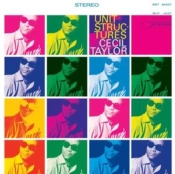
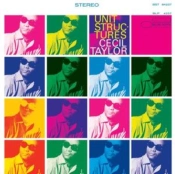
O álbum Unit Structures (1966), lançado pela Blue Note, é considerado um marco na história do free jazz, apresentando composições densas e coletivas onde improvisação e estrutura se confundem. Taylor concebeu o conceito do "Unit", pequenos grupos flexíveis que exploravam improvisação coletiva como uma linguagem em si mesma.
Ao longo da sua carreira, trabalhou com músicos de vanguarda como Jimmy Lyons, Andrew Cyrille, Archie Shepp e Sunny Murray, criando performances que muitas vezes desafiavam a linha entre concerto e ritual. A sua música não era apenas som, mas também gesto: Taylor via a performance como um ato físico e espiritual.
Apesar de resistência inicial da crítica e do público, foi gradualmente reconhecido como um dos maiores inovadores da música do século XX. Recebeu diversos prémios, incluindo a MacArthur Fellowship em 1991, que consolidou o seu estatuto como figura maior da arte contemporânea.
Cecil Taylor faleceu em 2018, deixando um legado imenso que transcende o jazz. A sua obra é vista como um manifesto de liberdade artística, demonstrando como a improvisação pode ser ao mesmo tempo rigorosa, abstrata e profundamente humana.
Formado na New England Conservatory of Music, Taylor teve uma base sólida na música clássica, o que influenciou a sua escrita complexa e estrutural. Nos anos 1950, começou a destacar-se em Nova Iorque, mas a sua música radical, com foco em ritmo, textura e energia em vez de melodia convencional, chocou audiências habituadas ao bebop e ao hard bop.
O álbum Unit Structures (1966), lançado pela Blue Note, é considerado um marco na história do free jazz, apresentando composições densas e coletivas onde improvisação e estrutura se confundem. Taylor concebeu o conceito do "Unit", pequenos grupos flexíveis que exploravam improvisação coletiva como uma linguagem em si mesma.
Ao longo da sua carreira, trabalhou com músicos de vanguarda como Jimmy Lyons, Andrew Cyrille, Archie Shepp e Sunny Murray, criando performances que muitas vezes desafiavam a linha entre concerto e ritual. A sua música não era apenas som, mas também gesto: Taylor via a performance como um ato físico e espiritual.
Apesar de resistência inicial da crítica e do público, foi gradualmente reconhecido como um dos maiores inovadores da música do século XX. Recebeu diversos prémios, incluindo a MacArthur Fellowship em 1991, que consolidou o seu estatuto como figura maior da arte contemporânea.
Cecil Taylor faleceu em 2018, deixando um legado imenso que transcende o jazz. A sua obra é vista como um manifesto de liberdade artística, demonstrando como a improvisação pode ser ao mesmo tempo rigorosa, abstrata e profundamente humana.
Bibliography
-
10%Unison ParentingMORGAN JAMES PUBLISHING LLC10-202420,63€
22,92€free shipping -
The Next ThingInscript Books05-202216,73€
-
imagem não disponívelThe Next ThingThe Next ThingInscript Books05-20229,00€

Discography
-
imagem não disponívelFragments: The Complete 1969 Salle Pleyel Concerts - CD10%Fragments: The Complete 1969 Salle Pleyel Concerts - CDElemental04-202636,71€ 10% CARDfree shipping
-
10%Unit Structures - CDBlue Note02-202527,25€ 10% CARDfree shipping
-
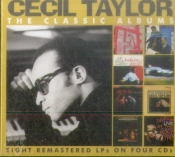
10%The Classic Albums - CDEnlightenment Series02-202527,22€ 10% CARDfree shipping
-
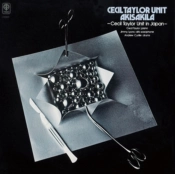
Akisakila - CDDeep Jazz Reality/Trio/Octave12-202424,49€
-
imagem não disponívelStudent Studies - Vinil10%Student Studies - VinilL.M.L.R.11-202429,98€ 10% CARDfree shipping
-
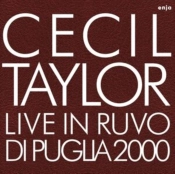
10%Live in Ruvo, Di Puglia 2000 - CDUltra-Vybe07-202417,98€ 10% CARDfree shipping
-
10%Freebody Park, Newport 1965 - CDEquinox05-202421,95€ 10% CARDfree shipping
-
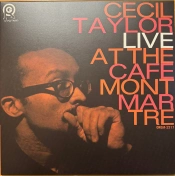
10%Live At The Cafe Montmartre - VinilORG Music01-202476,31€ 10% CARDfree shipping
-
Unit Structures - CDBlue Note01-202437,73€
-
10%Unit Structures - VinilBlue Note08-202338,53€ 10% CARDfree shipping
-
10%The World of Cecil Taylor - VinilCandid03-202334,99€ 10% CARDfree shipping
-
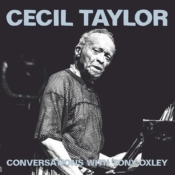
10%Conversations With Tony Oxley - CDJazzwerkstatt01-202323,90€ 10% CARDfree shipping