


adicionar à lista de desejos

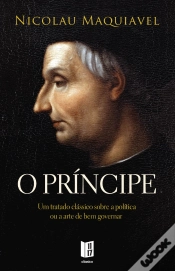
Prince (Wisehouse Classics Edition) eBook
Livro
eBook
idioma: inglês
Editor:
Wisehouse, dezembro de 2015 ‧
ver detalhes do produto
1,33€
10% DESCONTO
CARTÃO
YlZOMVVtNXZSak5ZTjJsdE5scHJMekpTZDNkclNsQlJlVVpKZDBRNFNFWTBiVlozZERaM1RuWlpNVkZFVFZJdlRsZDVXQ3RQZVVJMVF6ZDRla0ZJVmpsNVVrSjZjRGh1ZFVNd1VYVlNWV2R4UkZaSEwxWXJPR1lyVWxac1VHZGpVME5RTUdGd1MxVjZPR1poZG1OaFJTdGFhVXdyUm1SMk9VWm5kelI0UkhRMWJFRkxWMkZSWTIxTVUxQldlVWhXWTAwMllWbHJTMXB2YjFkNFp6UjJUVFV4WlN0T1drYzFOMGxGSzFkS2JFOVZaR1I0YWpSTGFGZ3lia0ZESzJab1VFWTRUbVExVEZNMFkwYzVjemwxUjNaNFZWSlFXVEZ0VjJ3eUx6Sm9XazlFYUdaQ00zTnlZMU14VWpoSU9IQlJZbWwwZFRnM1pYQXhSR0pCU1hSeldteHlTMDlyWjAxMlYxWTRSWEJWZHpKa1ozaGtObWxESzFkM1UyOUVaMWhoWldOT2VHcEtWbmhPZFhwMmJsRTNPRGRGYmxaR1RFYzBiMjlHV1ZWdlVHVndNVUpPTjNkUFVteHdiVVp0Vkd4T1UyNWpSVUpZVmtWblNsQmpVVWxsU3pOeldEbDNWSGMyZDNOS1UwaDVZMHRPTDA1S1kzRnFVSEprTnpaMWJHcFZOV1JJV0hGVVVWWlZhbWxSTlVOcVoyeDFjVGR4YTI1UlFsSkNLMGhtVjFoWVMyaDZUamRhTld0eE1rNVpXR1JoZDJGeGMxQmhOVU4zVUVKdmQybFpMMVk1YjNrNVVrODFhRlJqUWxZM1JHNVVSMFJGTlVoc2IwODFja3RhTDBsUFozTmhTVWgyYkhJeFYwWm1hbXRpUm5ac1VIUnllVmh6TnpSM1dHRmFka3B4UTFGcmVFUmlWVVp4WmxRck1IUmlla1YxWlRobFFrcExhRnBLZG5kQ1JHVk5jbTB3TkV4dFV6WmxTRUpVY1d0U01FNXpUMDUwWTNka1NqTlVTMUZsYldoQ1dVVkdlbGROYTFKVVZVSmpZak4xZUdsQllXWmpSVk5IYWtOWGQwSjBVMmt2VUhWcVUwNUxkVkZwYzJGa2VVd3JURzFtUm1kQk0wTXZVVU4wYlVOa0wyTndSMEpvV1ZGSFQyeEtabGQ0VlhRMlRrbFJSV2RhZFVWYU15dDZZbE5sVjNsbFkyTkxMMDE0Y0dkYWJqRnlaekpCUW05cVZUTXpjWEkwUzFkUWNXaFpValZzUm5FdlQwSnZNVk50Vm1aSGJIVlRlRzlOT1RNMGFYVkRkMDh2V25wV05UaFNVM1JKUFE9PTp1OTJVN3BORjhMVFZLZjQ5T1NQUE5nPT0=
DISPONIBILIDADE IMEDIATA
Ebook para ADE
SINOPSE
THE PRINCE (Italian: Il Principe) is a 16th-century political treatise by the Italian diplomat and political theorist Niccolò Machiavelli. From correspondence a version appears to have been distributed in 1513, using a Latin title, De Principatibus (About Principalities). However, the printed version was not published until 1532, five years after Machiavelli''s death. This was done with the permission of the Medici pope Clement VII, but "long before then, in fact since the first appearance of the Prince in manuscript, controversy had swirled about his writings". Although it was written as if it were a traditional work in the mirrors for princes style, it is generally agreed that it was especially innovative. This is only partly because it was written in the vernacular Italian rather than Latin, a practice which had become increasingly popular since the publication of Dante''s Divine Comedy and other works of Renaissance literature.
THE PRINCE is sometimes claimed to be one of the first works of modern philosophy, especially modern political philosophy, in which the effective truth is taken to be more important than any abstract ideal. It was also in direct conflict with the dominant Catholic and scholastic doctrines of the time concerning how to consider politics and ethics. Although it is relatively short, the treatise is the most remembered of Machiavelli''s works and the one most responsible for bringing the word "Machiavellian" into usage as a pejorative. It also helped make "Old Nick" an English term for the devil, and even contributed to the modern negative connotations of the words "politics" and "politician" in western countries. In terms of subject matter it overlaps with the much longer Discourses on Livy, which was written a few years later. In its use of near-contemporary Italians as examples of people who perpetrated criminal deeds for politics, another lesser-known work by Machiavelli which THE PRINCE has been compared to is the Life of Castruccio Castracani.
THE PRINCE is sometimes claimed to be one of the first works of modern philosophy, especially modern political philosophy, in which the effective truth is taken to be more important than any abstract ideal. It was also in direct conflict with the dominant Catholic and scholastic doctrines of the time concerning how to consider politics and ethics. Although it is relatively short, the treatise is the most remembered of Machiavelli''s works and the one most responsible for bringing the word "Machiavellian" into usage as a pejorative. It also helped make "Old Nick" an English term for the devil, and even contributed to the modern negative connotations of the words "politics" and "politician" in western countries. In terms of subject matter it overlaps with the much longer Discourses on Livy, which was written a few years later. In its use of near-contemporary Italians as examples of people who perpetrated criminal deeds for politics, another lesser-known work by Machiavelli which THE PRINCE has been compared to is the Life of Castruccio Castracani.
DETALHES
| Propriedade | Descrição |
|---|---|
| ISBN: | 9789176371244 |
| Editor: | Wisehouse |
| Data de Lançamento: | dezembro de 2015 |
| Idioma: | Inglês |
| Tipo de produto: | eBook |
| Formato e Compatibilidade: | |
| Classificação Temática: |
eBooks em Inglês
>
Literatura
>
Ficção
eBooks em Inglês > Ciências Sociais e Humanas > Filosofia eBooks em Inglês > Outros |
| EAN: | 9789176371244 |
| Acessibilidade: | Ver características de acessibilidade indicadas pelo editor |
SOBRE O AUTOR
Nicolau Maquiavel
Nicolau Maquiavel é considerado, por muitos, o pai do pensamento político moderno. Nascido em Florença a 3 de maio de 1469, foi um dos mais relevantes filósofos e políticos italianos do século XV. Emmeadosdadécadade1490, após a expulsão da família Médici do governo da região, tornou-se funcionário ao serviço da República Florentina. Foi nessas funções que fez serviços e viagens diplomáticas, o que lhe permitiu conhecer diferentes formas de exercer a política e o poder. Uma das pessoas que admirou terá sido o filho ilegítimo do Papa Alexandre VI, César Bórgia, um importante militar e estadista, que granjeou poder e fama pela força das armas e, sobretudo, da crueldade, da astúcia e do logro – era tão eficaz a levar à morte os adversários como a criar alianças, desde que favorecessem o seu estatuto. O percurso desta figura histórica terá servido a Maquiavel como principal inspiração para a sua obra mais famosa, O Príncipe, de 1513. Um ano antes, com o regresso dos Médici a Florença, Maquiavel perdera o seu cargo político e caíra em desgraça, tendo mesmo sido preso, torturado e exilado. Com a reconquista da liberdade dedicou-se à literatura, tendo então escrito várias das suas obras mais sonantes, como A Arte da Guerra (1519-1520) ou História de Florença (1520-1525). Faleceu a 22 de junho de 1527, na sua Florença, pouco tempo após apresentar este último livro ao seu patrono, o Papa Clemente VII – o mesmo que patrocinou vários obras-primas da História, como O Juízo Final, de Miguel Ângelo, ou A Transfiguração, de Rafael.
DO MESMO AUTOR
-
10%O Príncipe11 X 176,00€ 10% CARTÃO
-
10%O PríncipeIdeias de Ler10,98€
12,20€