

adicionar à lista de desejos
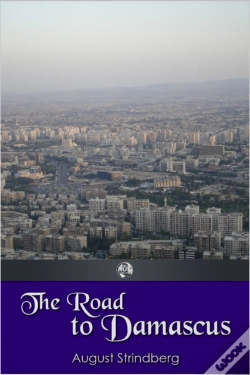
Road To Damascus eBook
idioma: inglês
Editor:
Andrews UK, junho de 2012 ‧
ver detalhes do produto
3,30€
10% DESCONTO
CARTÃO
WVhoMU5UVmlUVkpFYmtaWFJGcDJUMFJPVFV0ME1HbDNRM1oyV2tKb1RIQmtaa2RJZW1aSFZtSTRPVlpyTWtkbFRVWjBMMWhrYkcxVE0zaFRNR2RRUkVSMVFrRnRaMm93ZUhoQkwzUkdXbWhKVjJVMFEyTlFRMWgwUkZabVdHRnljR00xVkhWQ1JERm1NbkpTSzNvMGJFbExVbkpLVUhOcGNXaHBaa2hMZEVodFFsUmtNa296WlhsUWVWbFBlRnByY1dWblNsRmxPRFJQUXpsWFpsUlljMGh2TURGMGNtcFJXa2hqUld0WU16TTFiMDV4WjNSTWVFNUZlVlpvY2pCU05uUjRPSFF3ZUZsUUszbDBlVFJhTlRCelNIWm1ibGs1ZEhkRVFuaFFNREU0U1VoeE5ISmFjR3BGT0hjeU9YUnhZa2hRV0M5alFVd3laV2xyU1dVeVFUTnFUek12YTNCTk5XUmFTMEpaTW1JMVR5dG9jRXh0YzNoTGJVdEpTVk5ETjA5Q2EzUnhZVGc0TjBsSWRsbEZZazEyUkRkS05qTm5iVTFZYld4NE5WVXpTMHBPTlRCNU0wdFBUSFJxVm5sR2VXcExXVUpSVUZSQlRVczNXbEJOVVc1TmJ6WlVOREkxU0dZemFVWmtaMEYzTWxKUFRFazFhRmxSWVc1WFRtaEtSWGxEWW5sVE5FUTJkSGxDWTBsMFREVTJOMlZUT0ZaeFdURnRVRUU0YUdwWFNWbGhSRVZPZUZWMk1rNW1XSGM1TjFodVdsQnBha1UwVTJwV00xSm1PVk5sTmpJNFNVZFpWMDF1TnpWSE9GZzJNbEpJYTJSR09XVm1ReTluTUU0ck5GSlpjV294VmtRMWJFTnlkMU5tYkdSMGJXZG5ZamxDZFhKdk56VlNPR3hSVFV0VVFWaExaakV3UTNkMlVYUlJVRmd2V21SSWJISmxka3BYTkRoSFUzSXpTR0ZVTUZWaE16ZFZRMVkxTUhWclZrMXJaV1JZZW14bFdtVmFiMkZLYkc1SlpIUjNTM0pTVjNkd1kzSnRTakpMTURkdmRGVlFSbXd3VlM5WWMxVXhMMUpsTm10d2NXZEphVzFOWm5KNlpETk1jRXd5V1U5eGFHcDRVVE56UmtKaFNVTkVkbXd4UzA4dlZXMXVWeXRDWWxKR1F6UkpOa2RSYUZReGRFTmpTSEJITkU5NWVEaE1OMDFMVGpaTk1ETlJaVEJEVUZrMldqQk1NMmRWVEd4bGFYVlBkbGwzVDNBM2VtVkVlVmhqU0UxRU1WUlBRMUlyYTA1eFJFTnlOVVZET1ZoRk1IVlJialpqUFE9PTp4Q3NBQ3Z6RjdhWGJpRE1ncFFrcmJBPT0=
DISPONIBILIDADE IMEDIATA
Ebook para ADE
SINOPSE
August Strindberg's classic trilogy of plays entitled To Damascus (also known as The Road to Damascus) is known as his greatest work.A very complex and thought provoking play series, it follows the conversations between two characters: the Stranger and the Lady.An excerpt from the Introduction:The Road to Damascus might be termed a marriage drama, a mystery drama, or a drama of penance and conversion, according as preponderance is given to one or other of its characteristics. The question then arises: what was it in the drama which was of deepest significance to the author himself? The answer is to be found in the title, with its allusion to the narrative in the Acts of the Apostles of the journey of Saul, the persecutor, the scoffer, who, on his way to Damascus, had an awe-inspiring vision, which converted Saul, the hater of Christ, into Paul, the apostle of the Gentiles. Strindberg's drama describes the progress of the author right up to his conversion, shows how stage by stage he relinquishes worldly things, scientific renown, and above all woman, and finally, when nothing more binds him to this world, takes the vows of a monk and enters a monastery where no dogmas or theology, but only broadminded humanity and resignation hold sway. What, however, in an inner sense, distinguishes Strindberg's drama from the Bible narrative is that the conversion itself - although what leads up to it is convincingly described, both logically and psychologically - does not bear the character of a final and irrevocable decision, but on the contrary is depicted with a certain hesitancy and uncertainty. THE STRANGER'S entry into the monastery consequently gives the impression of being a piece of logical construction; the author's heart is not wholly in it. From Strindberg's later works it also becomes evident that his severe crisis had undoubtedly led to a complete reformation in that it definitely caused him to turn from worldly things, of which indeed he had tasted to the full, towards matters divine. But this did not mean that then and there he accepted some specific religion, whether Christian or other. One would undoubtedly come nearest to the author's own interpretation in this respect by characterising The Road to Damascus not as a drama of conversion, but as a drama of struggle, the story of a restless, arduous pilgrimage through the chimeras of the world towards the border beyond which eternity stretches in solemn peace, symbolised in the drama by a mountain, the peaks of which reach high above the clouds.
DETALHES
| Propriedade | Descrição |
|---|---|
| ISBN: | 9781781667309 |
| Editor: | Andrews UK |
| Data de Lançamento: | junho de 2012 |
| Idioma: | Inglês |
| Páginas: | 191 |
| Tipo de produto: | eBook |
| Formato e Compatibilidade: | |
| Classificação Temática: |
eBooks em Inglês
>
Arte
>
Cinema
|
| EAN: | 9781781667309 |
| Acessibilidade: | Ver características de acessibilidade indicadas pelo editor |
SOBRE O AUTOR
August Strindberg
August Strindberg (1849-1912) dramaturgo e romancista, igualmente pintor e fotógrafo, é um dos pais do teatro moderno. Na vanguarda do teatro do seu tempo, inspirou inúmeros autores contemporâneos, entre eles figuras tão díspares e relevantes como Kafka, Adamov, Cocteu e em particular o cineasta, também sueco, Ingmar Bergman.
Jean-Pierre Sarrazac, autor do mais recente ensaio sobre o autor Strindberg, o Impessoal (L’Arche, 2018) afirma, em síntese, sobre a obra que «as narrativas autobiográficas são antecâmaras dos dramas. Sobre as linhas de fuga da narrativa autobiográfica, o que é de natureza pessoal tende a ser impessoal. Longe de uma leitura psicologista da escrita teatral, este entrelaçar entre teatro e autobiografia, inscreve o íntimo no coração de uma criação em que a existência vem modelar e vivificar a escrita.»
Dele disse Nietzsche referindo a conhecida obra Inferno: «Fui surpreendido pela descoberta desta obra que exprime de forma grandiosa a minha própria concepção do amor: nos processos a guerra, na essência, o ódio mortal dos sexos.» Com a devida distância uma citação também aplicável ao livro A Dança da Morte.
DO MESMO AUTOR
-
A Dança da Morte10%Companhia das Ilhas16,90€ 10% CARTÃOportes grátis
-
Menina Júlia10%Bicho do Mato11,00€ 10% CARTÃO