


adicionar à lista de desejos
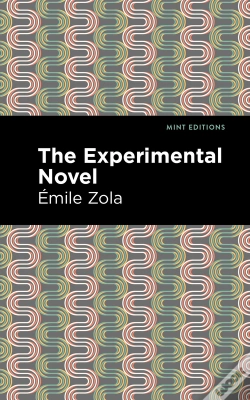
Experimental Novel eBook
idioma: inglês
Editor:
Mint Editions, maio de 2021 ‧
ver detalhes do produto
6,61€
10% DESCONTO
CARTÃO
Vld4WmR5dGFNbHBCT0VKMGIxQnROaTh4T0RScldqZFhVV3hHWnpSS2RETnVkR1ZLYlhaT2RIUXlNMmhqTjFoRU4za3pWVWh4Y0dvM2JqVk1lWGt6V1dGek5XZEVhbkI0ZVVwS1drVm9kMkZvUlVoQlZqZ3dLMDlFYlZvNWNYTmtRa2Q2U21kcGVFSnlNVTVEUTFwWlVrUjVUa0UxVlZwb1ZuRldTMVp1ZFU1TGFIVmFXbXd5VlZWRVRETmhRa1JWUmxnek5IaHFSazlSYW1oVFJWUkNSSEpzVTNSd01qWkdaR2h5YlZSdE9YaEVlRGtyYWpCTFVTOVFObk15ZDNsQmVHaERRMWxhYWs5ck5YTXdlR3RZTjI5bFNrcFRVR3hXUkRKSFdubEZablEyV1RWaFdsUnFaa2xPV0hrMVpFRlVObVIyUTBGdmIyeFNZbFJ0YmxWSVEzaDVaV3N4ZDFjNWVsbGpiRk5LUWtJeFRYWmFTa3hTUTIwM05pOVpLMWN2YlRGT1NDODFiMnh1TUVsS2QzaHFRVTVXU0RVeVUyRldPSFpFYW1ReEsxUktUbmhIYTNGdVdIZEVObFJoYWpGVlVVaEJTRnAxVFhCQmNHbE1ZMlZwTVUxVk0wVlBRWGhwWm5WRGNIaHNOM0JrTUZCelVEaEJOR2s1YlRGeWVITXJaekZ1ZEd4eGVHWTNZMU5MUW5GRVNubG5TSFE0YlhOdVpqTmlSbk5CTHpWeVlucFNObGhoVFZBdk1VVlhXVXRPWmpCMVREbFZUVFpTVW5NcldqSnlUVWxxVjBSd2VscGFSRmN5WkhkNloyMDNXa2Q1UWxsT0syVjFTelJYT0VWV1VESkpiamh3V0RoRmVrMU1abXR3VTJ4cVJXNUtNRmw1Y1daVE1XZFFRMlVyVEU0d1owcDRXV3BJUW5GaVMwcDFRMWxwU0UxUWJXVnBUbmxtTW1sSWNsZzFaa1p3VjNwaVRVRTFlVXMzYm1KSE5UbDFlbkJYT1VoS1pHSXJOMHQ1VFhveFJGSnVhMU5zU1dKT05TdGFZU3NyTm5GSUsxZHlXaTl4TDFFMlJYWjZaVXRUV1VwVmRFdzFZakp4ZWpoTVJIbFZkRzVJTm5KR2NqTkNjSEF4VHl0amFrNHdkVFp5T0cxNVIxbGhMM0JVWjJwMlZtSnZXUzlGYmtsS2MwaEZRVnB0ZFZwV2NHaGpkekZZTVdoUU0waEVZVkpxUmk4cmRYTkNTR0l6Y2xJMmFtaGhRelY1Y1VodWF5dFNaemgyVnk4dlVVMTZWRGg0TTNjMWRGWjNVamcxU21RNFRtcGtVV05SUFE9PTpSakI1TnQ0blNlUE5sdlJXbmIwY0FnPT0=
DISPONIBILIDADE IMEDIATA
Ebook para ADE
SINOPSE
The Experimental Novel (1880) is an essay by French author Émile Zola. Written at the height of his career as a leading proponent of Naturalism, The Experimental Novel serves to illuminate the author’s approach to the practice and purpose of writing while advocating for a revolution of style among artists of his era. Read as a reaction against Romanticism, The Experimental Novel proves a convincing counterpoint to the excesses and failures of nineteenth century art, illustrating the need for literature to draw inspiration from other sources of human understanding—such as science, history, and the social sciences—in order to effectively explore the themes of everyday life. "The return to nature, the naturalistic evolution which marks the century, drives little by little all the manifestation of human intelligence into the same scientific path. Only the idea of a literature governed by science is doubtless a surprise, until explained with precision and understood. It seems to me necessary, then, to say briefly and to the point what I understand by the experimental novel." Rather than imitate reality, a writer must attempt a scientific investigation of the nature of everyday life. For Zola, plot must be secondary to character, and character must be subject to the laws and limitations of a particular society. As a writer interested in the relationships between rich and poor, citizen and state, culture and economy, and personal and public life, Zola found it necessary to write experimental fiction—literally, fiction which experiments with its object of inquiry. Blending science and art, he revolutionized not only the idea of what a novel is and can do, but the responsibility of the artist to society. The Experimental Novel is a masterful essay for readers interested in Zola’s work and in the history and philosophy of literature. This edition of Émile Zola’s The Experimental Novel is a classic work of French literature reimagined for modern readers.
Since our inception in 2020, Mint Editions has kept sustainability and innovation at the forefront of our mission. Each and every Mint Edition title gets a fresh, professionally typeset manuscript and a dazzling new cover, all while maintaining the integrity of the original book.
With thousands of titles in our collection, we aim to spotlight diverse public domain works to help them find modern audiences. Mint Editions celebrates a breadth of literary works, curated from both canonical and overlooked classics from writers around the globe.
DETALHES
| Propriedade | Descrição |
|---|---|
| ISBN: | 9781513287195 |
| Editor: | Mint Editions |
| Data de Lançamento: | maio de 2021 |
| Idioma: | Inglês |
| Tipo de produto: | eBook |
| Formato e Compatibilidade: | |
| Coleção: | Mint Editions (Literary Criticism And Writing Techniques) |
| Classificação Temática: |
eBooks em Inglês
>
Literatura
>
Ensaios
eBooks em Inglês > Outros |
| EAN: | 9781513287195 |
| Acessibilidade: | Ver características de acessibilidade indicadas pelo editor |
SOBRE O AUTOR
LIVROS DA MESMA COLEÇÃO
-
eBook10%Elements Of CriticismMint Editions17,21€ 10% CARTÃO
-
eBook10%Philosophy Of CompositionMint Editions6,61€ 10% CARTÃO
DO MESMO AUTOR
-
10%NanaPublicações Europa-América6,90€ 10% CARTÃO
-
10%Therese RaquinPENGUIN BOOKS LTD13,51€ 10% CARTÃO