





adicionar à lista de desejos
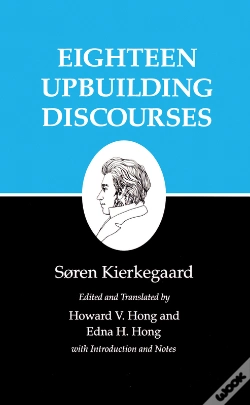
Eighteen Upbuilding Discourses eBook
Livro
eBook
idioma: inglês
Editor:
Princeton University Press, junho de 2015 ‧
ver detalhes do produto
68,90€
10% DESCONTO
CARTÃO
UzA4MlVYUktUV1ZtV0hKUk1VdHFiVlpyTkRKSVpVbE5aVGt5Vkd4RmFXd3pjVzlhUlVoeGJFWlFSSGx0VGtsVmNIaFNWbmx0V0VFNGJUbHpXREpXZFd0blUzSklWamRhTm5sMVRFNDNjbVYxTWtnNVVXbElTa2hwVW1SUlMyZEplVFo0WkVScFpVZGtlak54Umt0dWQzWTFiemx5WWs1TmVHbDZTM1psVEROUFZEWlBkMUZxY1cxaGQyUnRTak4yZEV0cGQzZGlhVXhGT0VGcWJVY3lZbnBxTm5oS1RIa3lWRkJUWVd4cldFaEtNbG93V0dnd00zZ3JkR2gwWm05TWJYQlJjRFZLYzNkV1lWaDNhMmhtWXpGd2RVVmtZM0oyUmxsV1FtTldiVlpxY2prMmVVRlFhbVV2UkhCb01Wa3pLMUoxU1VWU05tWnJVakl6VkZNMGVtVnpNSFJWZUdSeldXOXZNM1pZYVhkRVJrOHdZM0o1Y1RKalZEZDRkRmxpWlZSeVRITTRLM1IwTVZCcGJGWkNOV0phV0hKMVpqbElkVGN6UVhsTVZFTnNjakZLVmxKeUwwc3dlQ3QyT0VVeWRqSmtOek5RZG1SelZsSkNaVWszVEVwRmJ6SlVZU3MyTTJGSFJESkRUSEZITDNKaFIwUlNOakV2VFRaVEwwMUlPRkJyU3l0Q09VcEVkWFZtZWl0bFJIWTNXV2xOWjNCRmIzZHBRazU1UmxOclRrMHlZVWRzWldSWVNVUlBaMVJLY0VSblRTOXpUVEZ3V205T2QxaHdPVFY2U0VaRVQyRXdjQ3N3UWpOd1NrVndkSE5tZVc1U1FrMDJOMGM1VDJWb1dYbGhOazVYTUhSNFZFVlZRblk1WjNGSVN6bENUVkZHUkd0VEswaEtlVE55YTNGc09FUlNWVWg0V0ZaTlZWRkdWbVZKZGpOUkswTkVSMjg0UjBZd1ExSnpWRVUwYmtselZsUnZOREp2V2premNsVmFjV04zY1ZJd2QxRTVORE12YWtGMmJITlFSRGhZWW5aUkwyZzBZMGx0ZG5WdlNWUk1PWFUxY214MmEwMWlSVXBqWlVGSU9ISXhhaTgyYTI1SGFUbEdWMjBySzI1cVQwaFJaVFZKWlhCWVNqZFZZVkpRVlhaeFlrRjRLM2c1VXpGc1R6ZENkVXAzUjJSV01XOVdXbFYwU1d4UmVFZHNiV2N5VHpWTmRraHdlRFphTm1oc1pIWXZjV1ZEY1hFMFFsSjFUbmxOVDFCRU1qQjRjWGQzVDFkclNDOW1ha1V3VGpWUlZEZFNXalJQVUdGWFFtcEhVbVZ6UFE9PTpvdlNHQVZoSWVRekE4amZGalpTTVN3PT0=
DISPONIBILIDADE IMEDIATA
Ebook para ADE
SINOPSE
There is much to be learned philosophically from this volume, but philosophical instruction was not Kierkegaard''s aim here, except in the broad sense of self-knowledge and deepened awareness. Indicating the intention of the discourses, the titles include "The Expectancy of Faith," "Love Will Hide a Multitude of Sins," "Strengthening in the Inner Being," "To Gain One''s Soul in Patience," "Patience in Expectancy," and "Against Cowardliness."
In tone and substance these works are in accord with the concluding words of encouragement in Either/Or, which was paired with the first volume of discourses: "Ask yourself and keep on asking until you find the answer, for one may have known something many times, acknowledged it; one may have willed something many times, attempted it--and yet, only the deep inner motion, only the heart''s indescribable emotion, only that will convince you that what you have acknowledged belongs to you, that no power can take it from you--for only the truth that builds up is truth for you."
DETALHES
| Propriedade | Descrição |
|---|---|
| ISBN: | 9781400874378 |
| Editor: | Princeton University Press |
| Data de Lançamento: | junho de 2015 |
| Idioma: | Inglês |
| Tipo de produto: | eBook |
| Formato e Compatibilidade: | |
| Coleção: | Kierkegaard''S Writings |
| Classificação Temática: |
eBooks em Inglês
>
Literatura
>
Ensaios
eBooks em Inglês > Ciências Sociais e Humanas > Filosofia |
| EAN: | 9781400874378 |
| Acessibilidade: | Ver características de acessibilidade indicadas pelo editor |
SOBRE O AUTOR
LIVROS DA MESMA COLEÇÃO
-
eBook10%Point Of ViewPrinceton University Press59,63€ 10% CARTÃO
-
eBook10%Corsair Affair And Articles Related To The WritingsPrinceton University Press55,65€ 10% CARTÃO
DO MESMO AUTOR
-
10%Ou-OuRelógio D'Água18,00€ 10% CARTÃOportes grátis
-
10%Dezoito Discursos EdificantesRelógio D'Água22,00€ 10% CARTÃOportes grátis