




adicionar à lista de desejos
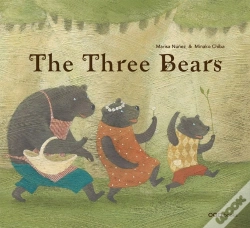
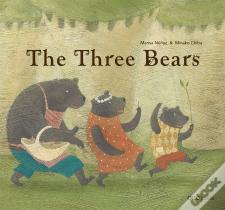
The Three Bears
idioma: inglês
Editor:
OQO Editora, junho de 2009 ‧
ver detalhes do produto
15,19€
10% DESCONTO
CARTÃO
U2xScE5GaHhlVGcxV1d4eksxTkNUMjFGUkVSWFozTkZZalo1WnpSNFFXWXhRak50TlhNMFF6bDVia3gxZVhwb1RuRnhiakZEVm05SE9HTkNSV2hxU1ZGUFdXaFRWVkZGZG5Wc1RHSkVZbmhoTm1KNFZYbFlZMW9yVjNONGIyeFZaV3RNTlVKemRuUTVkblowUkdodmRIRnBjQzlyTmt0bVozZHVTWGRSWTFndlZrMUdhRkJYZUZWT1JtMVVMelpDYW5aSk1GVjFlVm81ZVVWTWRFbzVPRGhsYWxSaVlVUXpTblJRV0dwWk1VaG5VR2R1SzFwVlkxUXJZbU5vV2tsRE5XUnNhVVlyTW5wdldITmhRVGd5TDJaMk1VZFJiMnhoUmtwc1JITkxjamhSVFc1MmEzbGlhRkJwVWprcmJVWnZlbTVuTUV4eU4wd3ZabnB1ZHpKcVIxaERRM1JxTDFaS1JVTndORlJoTlhvMmVXbEdjalk1UmtwU2NWaExORk51Y2pWWVVWWnVMemhUWWxFMmVtWjNjMlkxTTI1RlpFaFplREZrU20xQ1RXVlpaMmxKZVdzelkzZ3pkMUZsVTJ4S1VFTmpPRTUwZFVRM1dVRkVZbkJYVm1aallsY3pVMHBMWW1WbVdGUndRbGhMUkRSWFUzVXhMMHhxZUZVeE5UUXZhalV2V1c0NGRDOXRkM0JCTTFJMFFXUXpWVFJpVUdwVGFIRnBlV2RMTjJSc1UwSmtUMmt4TjBsdlFrTnNVV3BsYTJGeVVqZ3pUMDVNWkVkaFFXcFZhV1ZTWlVKcmJEVXJPSEJvVkhCaVZXaDNXWE5EZEVrMk1XZDVXVTFwU3l0a1IzRmxTa1UxZUZkVWJYRlFORVl6UTBwNGExbzJRMlI0YUdoT1ducElWWFZVYkVSQ1NYRktaMVk1ZW5ZMFltNVpVRkJ1TjBwMGFrSlJORFZ3ZWpaa1lrOHJSV1pDZFdab2JXcFRiR3BZV1VWNk5IWlpNR3gyVWpCS1p5dDBiRTVTV21Sb1UwOVFTazh3YzJwclZ6TlNLMGRQZEZkVmFVeHBPRFkyYlRobFdHbDJOVWhoY0hwTksweEJLMGRZYm5SdFYxQmlNbGQ2WWtaU1dtZGFSbnBrWldSSVJVMU5RVVl5UjBKR2VGVllWVVp1VTFOWGEzUnlTRlZsVm5OV1YyVkhXWFpMTTI5dmVsUTRhV0YwV1RZd2FHMVlTMlF5TURKV1RFaGpPVTlwVm5Kc1NXY3Jaa2h1TmpGU01XOUtORGx1TUZWUWJFTkhVakZ1VGxoUlpESkpNamwwZWt4bVlVRkVSMUJGZERkU01DOXpRamhyUVRsRE5HdzFablpoVW5aVk5rMVRSMVJuYVZCWmFVRnNSMFF5SzFaM2VYRktPVmx0Y0VzMVZURmpZMmxoWTBwM1VqVklVMjlzTkQwPTo4dXBTTm9VZXV4cm5hRUZtWURzRTVnPT0=
Venda o seu livro
SINOPSE
In a cabin in the woods there lived three bears. One day, the bears went out for a walk before having breakfast; and Goldilocks found the house empty…
Considered an anonymous folkloric tale, it was made popular in 1837 by the British poet Robert Southey, perhaps based on an older version. In Southey’s version, as in that of Eleanor Mure, published six years earlier, the intruder was a mean old woman; in 1849, Joseph Cundall published his "Treasury of Pleasure Books for Young Children" explaining the reasons for changing the old woman for a girl.
Focusing on the traditional story, and without drifting away from the idea that intimacy should be respected, this version by Marisa Núñez establishes a link between the narrator and the reader which helps to facilitate an identification of the child with the bears, strengthening the formative efficiency of the story; with the excuse of explaining the characters actions, the narrator contributes, confidentially, a series of habits and good manners that point to the sense of responsibility, autonomy and the good use of freedom.
Besides influencing in the behavioural and affective development, and stimulating artistic and literary sensibility, we find ourselves before a good instrument to transmit mathematical concepts, to understand notions of size (big, medium, small) or to establish functional relations between the animals and the environment to which they relate.
The images by Minako Chiba also contribute to the development of the visual abilities that help the early reader to acquire the necessary vocabulary for the mathematical understanding of numbers and concepts.
Considered an anonymous folkloric tale, it was made popular in 1837 by the British poet Robert Southey, perhaps based on an older version. In Southey’s version, as in that of Eleanor Mure, published six years earlier, the intruder was a mean old woman; in 1849, Joseph Cundall published his "Treasury of Pleasure Books for Young Children" explaining the reasons for changing the old woman for a girl.
Focusing on the traditional story, and without drifting away from the idea that intimacy should be respected, this version by Marisa Núñez establishes a link between the narrator and the reader which helps to facilitate an identification of the child with the bears, strengthening the formative efficiency of the story; with the excuse of explaining the characters actions, the narrator contributes, confidentially, a series of habits and good manners that point to the sense of responsibility, autonomy and the good use of freedom.
Besides influencing in the behavioural and affective development, and stimulating artistic and literary sensibility, we find ourselves before a good instrument to transmit mathematical concepts, to understand notions of size (big, medium, small) or to establish functional relations between the animals and the environment to which they relate.
The images by Minako Chiba also contribute to the development of the visual abilities that help the early reader to acquire the necessary vocabulary for the mathematical understanding of numbers and concepts.
DETALHES
| Propriedade | Descrição |
|---|---|
| ISBN: | 9788498711271 |
| Editor: | OQO Editora |
| Data de Lançamento: | junho de 2009 |
| Idioma: | Inglês |
| Dimensões: | 261 x 245 x 9 mm |
| Encadernação: | Capa dura |
| Páginas: | 36 |
| Tipo de produto: | Livro |
| Coleção: | Coleção O |
| Classificação Temática: |
Livros em Inglês
>
Infantis e Juvenis
>
Livros Infantis de Ficção
|
| EAN: | 9788498711271 |
| Idade Mínima Recomendada: | Maiores de 3 |
SOBRE O AUTOR
Marisa Núñez
Marisa Núñez (Sarria, Espanha, 1961) Trabalha há vários anos como educadora de infância no Colégio de Hío, em Cangas. É escritora e especialista em animação à leitura.
(ver mais)LIVROS DA MESMA COLEÇÃO
-
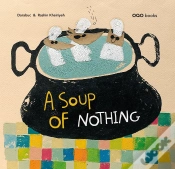
10%A Soup Of NothingOQO Editora13,50€ 10% CARTÃO
-
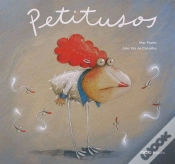
10%PetitusosOQO Editora14,00€ 10% CARTÃO
DO MESMO AUTOR
-
10%O Camiño GallegoOQO Editora16,21€ 10% CARTÃOportes grátis
-
10%Camino,ElOQO Editora16,21€ 10% CARTÃOportes grátis
QUEM COMPROU TAMBÉM COMPROU
-
10%Chicken LickenLittle Tiger Press Group10,80€ 10% CARTÃO
-
10%The Three Little PigsLittle Tiger Press Group10,80€ 10% CARTÃO