
adicionar à lista de desejos

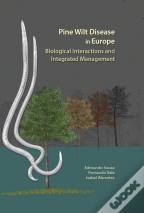
Pine Wilt Disease
Biological Interactions and Integrated Management
idioma: inglês
Editor:
FNAPF - Federação Nacional das Associações de Proprietários Florestais, dezembro de 2015 ‧
ver detalhes do produto
20,00€
10% DESCONTO
CARTÃO
VEhnMGJuQkRTR3RzZVZaeVExcDFTVWxTVEd4eEszaG5UV1Z0Y2pGRmEwNHZZMjlrUzBNME9GTlhVRVJ0YkU5SlowYzBhMGRXYkZNM2RVUndiMnhSZDJkT04wZG5Va1ptVG5WcFdXRTRValYwWTFrclVucGlVMHh0V2tFeWVrOXhaMlpLTjNGcmQwRTVkRTl4VVV4eVYzbENjVmR2U1ZSWWRWUlVjbW93VkVGdU5DOVpabFprTVVjcmNHNDJialp6YkdOblJFbFVWekk0VldoaEsyNVZSRE5JWTFkVFptSnpiMGRWVkVzM05USlFjbk5CTW5aQksweG9ja0pvUmpOSlZVWlRRMDFXYlZKc2MyNDVURFZITUc5MmR6TnRTVFZzVkhsd1ZEaFFiRVpsWjFaRlVrSXlZbFpZWmpsV1lUbHVOVzF0YjFSeFVIZHZkRTAzUW5aWmVuSnZLMlpKYUc5SFJrWlhTRVl5ZFRST2FUQlJXREl5YnpCeGRYcFRNVlFyUzNGRmFrb3dVamRzV1hOTFNXOWFPRkpHWjBwUE5IRm1hekpXVnpsTWVHZHhNa3BJYkV0c1JGYzFkbW81YzNaTFoxY3dNM0pRY0VOdFVUbFZSbXBuZW5aa1ZGaHJUV05KYmxZeE4xaEpLMmswVlZSNFF6Rm9iakZuWWtKWWNuQnpTSFJLYlZWWVFUTjJVMUJCYVU5cllteFVkbGs0UW5GNVVIWTJRMHRwVW5ZeWFrOWxWWFJ3ZVhsRmMwVkZkbUkwY1hkTGRFTjVlVTlLYkZoNmRXcG1ObWc1Ykd4UUszcGhMM056VEhKU2FUbG5lVWhpV0Vad2FFTnhjSHBDTTJsMlZGTjZOakpEVERGTmVFbEdWVEJ5YkhwdFpUbFpUVFpXTjFKUFRIWjVaR1JPU1U1UU1XOWFSRUp1VDNkbFNuSlNTRXR4WWtvNFVVaGlVSEZ4VWxaNGRFUmhjVFJKTDFWdU1uVjFjbkpUWmk4MWRuazNhSGxCTlVkUk4zWjBkSGgyU3pWb1UyMXJNakZUWkhsR01XRnRVRFJhVFRGSVNsRnhNRGhGZDJoSE5UTkdiMko1UW5sTVZIaGxiRUpxUTFOQ1psaERjRGcwYkUxTlUwaEZRbXhaZDIxVmRFOVZMMGhTTVZwdlQwSlphMGNyU1VwaGNFNVJUWEZwTTJScGJsZzVWMFZzTHpsek4yUldkVTEzTmpacVNIZzBTME5yVURObGNreE5WSHBaWkRGSFltd3hkbTFHY2tWMVRWQk1VV2RoUWtOdVVtMW5SbEI0UjFSaUwwcFVTUzl3UzFZdllrOUJORkZKTkhwM1ZtWnpkRnBEWTNjd05FbEpPVXR3TVdsSVZtMWhhbkJSYTNCNWIyVnJiMFY2WVdneGJHcDRkejA5Ojd0MEJnUzYvNitqdkJiNWJPQmM2Snc9PQ==
portes grátis
Venda o seu livro
SINOPSE
Pine wilt disease (PWD) results from complex interactions, especially those among the pinewood nematode (PWN), Bursaphelenchus xylophilus (Steiner & Bührer, 1934) Nickle, 1970, its insect vector, Monochamus spp., and the host plant (conifers). The vector is a fundamental component of the disease, because the PWN can only leave a dead host plant and colonise new healthy hosts through the insect. Also, it has been suggested that the bacteria associated with the PWN can play an important role in the development of the disease, as well as the other trophic interactions that co-exist in the pine forest ecosystem. The risk of an epidemic, due to this disease, is also strongly linked to environmental conditions.
PWN was detected for the first time in North America, where it did not cause any damage to the endemic conifers. The current worldwide distribution of the nematode is due essentially to the movement of infected woody material, which has transported the PWN over long distances and to various regions of the globe, causing abnormal and significant mortality to their respective host trees. In the Orient, this disease was initially attributed to Coleoptera insects of the families Cerambycidae, Curculionidae and Scolytidae. Later it was found that the causal agent was a nematode species of the genus Bursaphelenchus, when its pathogenicity was demonstrated.
PWN, due to its great destructive potential, is included in EC Council Directive 2000/29/ EC and is classified in the list of organisms harmful to the European Union, being referenced by the European and Mediterranean Plant Protection Organization (EPPO) as a quarantine organism (EPPO A2 List).
The introduction of this nematode into Europe, and the emergence of new methods and technologies, has led to the development of an investigation programme that includes not only the various biological interactions among the main components involved in PWD, but also the development of prevention and control strategies that may be used in an integrated management system. The management measures adopted should be effective, specific, and not have any harmful effects on the environment.
PWN was detected for the first time in North America, where it did not cause any damage to the endemic conifers. The current worldwide distribution of the nematode is due essentially to the movement of infected woody material, which has transported the PWN over long distances and to various regions of the globe, causing abnormal and significant mortality to their respective host trees. In the Orient, this disease was initially attributed to Coleoptera insects of the families Cerambycidae, Curculionidae and Scolytidae. Later it was found that the causal agent was a nematode species of the genus Bursaphelenchus, when its pathogenicity was demonstrated.
PWN, due to its great destructive potential, is included in EC Council Directive 2000/29/ EC and is classified in the list of organisms harmful to the European Union, being referenced by the European and Mediterranean Plant Protection Organization (EPPO) as a quarantine organism (EPPO A2 List).
The introduction of this nematode into Europe, and the emergence of new methods and technologies, has led to the development of an investigation programme that includes not only the various biological interactions among the main components involved in PWD, but also the development of prevention and control strategies that may be used in an integrated management system. The management measures adopted should be effective, specific, and not have any harmful effects on the environment.
DETALHES
| Propriedade | Descrição |
|---|---|
| ISBN: | 9789899936522 |
| Editor: | FNAPF - Federação Nacional das Associações de Proprietários Florestais |
| Data de Lançamento: | dezembro de 2015 |
| Idioma: | Inglês |
| Dimensões: | 167 x 248 x 21 mm |
| Encadernação: | Capa dura |
| Páginas: | 328 |
| Tipo de produto: | Livro |
| Classificação Temática: |
Livros em Inglês
>
Ciências Exatas e Naturais
>
Biologia
|
| EAN: | 9789899936522 |
-
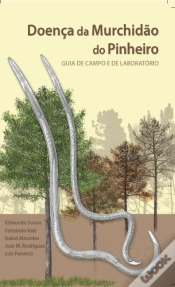
Doença da Murchidão do PinheiroFNAPF - Federação Nacional das Associações de Proprietários Florestais10,00€
-
Doença da Murchidão do PinheiroFNAPF - Federação Nacional das Associações de Proprietários Florestais20,00€portes grátis
-
Doença da Murchidão do PinheiroFNAPF - Federação Nacional das Associações de Proprietários Florestais10,00€
-
Doença da Murchidão do PinheiroFNAPF - Federação Nacional das Associações de Proprietários Florestais20,00€portes grátis
-
Doença da Murchidão do PinheiroFNAPF - Federação Nacional das Associações de Proprietários Florestais10,00€
-
Doença da Murchidão do PinheiroFNAPF - Federação Nacional das Associações de Proprietários Florestais20,00€portes grátis
QUEM COMPROU TAMBÉM COMPROU
-
10%Jóias do Mar | Jewels From the SeaEdições Afrontamento19,50€ 10% CARTÃOportes grátis