

adicionar à lista de desejos
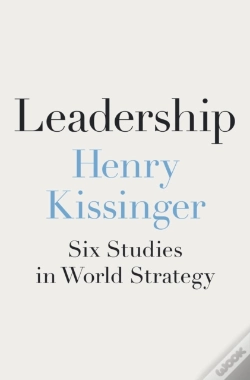
Leadership
idioma: inglês
Editor:
Penguin Publishing Group, julho de 2022 ‧
ver detalhes do produto
41,91€
10% DESCONTO
CARTÃO
Tmt0elEwYzRVamx5TTFCWVdtOUVSbFZSWWxaeVMxQnNRVkpUVWpkWU1FUjJZWGxNWW5wWGFHOTZiRUp2UzJJMmFtRkNNMU5ZZW1sMk9IbDJNSGhIU1hWMFlXaG9jemx4Y2xSaVNXUjNNMWMyTlVvNGMyNWhWbGRFWkZSV1N6TmFNVXRXWW1ocE1Xa3hiSEJaTVhVMk1WSTBTUzlhVEdsUVdUa3Zaa1IwVVZOV1lqTjRWV2d4WTNSd1RuZFhSbWR6WVZCaU56aGlZa3RTZURCdGNrNXFTa2xtU0VwS1RWZElNVVl4Vlc4NGJtdDFWMVZ4VW1saU1GbEZTMU5EVlRrME16ZFNiWFpPWlhkSFozUTJha0p4WlRGcVMyZ3dSbVZqUldoQllrcElZMFJ1ZEdVM1ExZFhkbTlNV2pJcmNuWjNTR05aYVcxMFZGbG9hR2RIVURsR1RETXdaVk5WWml0M1VYRkZTMVZYWTBvMlFYTnhlbFZKUmk5RFIzSnRlbXhQYTBoT1ZtTm1XbkptT0hCUmNqSm5la05hYVRGRE5XWlRRMXBZTjBwNlRITkVRblZ0ZWtwc1dEUkZVbEYxV1U1cmVraFViWGt3VW1KdGNYcHhXR1oxTUVGU2RVWlFaRmx0Y2xZNU9IRm9TbUkyYkVSMFpXdFZLM0ZSUTBFMk9TOW5OQzlxV2pOSFlqaENZbU5HVkhkbmNXSkVXVUkwYldJclpUTTNia05NUlVob01sWldWa2t4VUdsMVQyaG1XR0kxWlRaNlpFVlBWbFpUVEdFcmMyVjRaekZxVWtkaFIxUkdXVFF5VGxZd2RXOW1jVTEwVTJ4SVNUaHRjM04wTURsU09IZEhNVkpEVURJdlEyNVdORE5SYURkdVkydE1Vemw1VHpOR1dFNXVTV3BZVEZwVmRrRkpObUYwVG5CeU16QkZjR1YxTkU1SVUydDBUVXhvZGtkM1lrNUVVRFI0TDJkT1NGbERNWGt3YzBadGVHOU1kbGgzV0ZSTFdXRlBWM1ZyV21wQ1puWkhSWHBvZUZZd1RERkZPR05LU21welZFb3hZeXN3U1dkSE9Tc3JTVGhpYzB3NWNrazBTWFp1TDNWMFUzVjNOR2xMWjBsWlNVVk9ZbUV4YVVrcmExaGlkVkEyWTFjNVlXVjJVa1ZvYTFsUVlqQkVkbU5JY0dabFdXUkZUM1Z6T0ZoRVVUZHdUQzlXUlVaS2NqWk5NMjVMVTNoU1NHczFabk5MV0U5cWEzUkJTRkJTVDBWTWEwSnBXV2hwYkVGTVUwUlJTSGQ2Y1hkWk5HUjFOakZIUjAxRGMzUlBSSEJxZEdkS1NWWXdTSGRXUVVSd2NIZHhUekJMT0RKcUswNWpSWEppYzI1RUwxRnBiekkzY0hjNVUxVkpRVU5pWVU5WVpIWkdRa0ZMUmxvdk5WVndUVloyU1ZnM2RWWmFSM05rWWtKeFpEbHJjbmgwUzJkbVRRPT06cGExZ0UzNCtWbFV1WFRxR05kVDBYUT09
portes grátis
Venda o seu livro
SINOPSE
Henry Kissinger, consummate diplomat and statesman, examines the strategies of six great twentieth-century figures and brings to life a unifying theory of leadership and diplomacy.
Leaders, writes Henry Kissinger in this compelling book, "think and act at the intersection of two axes: the first, between the past and the future; the second, between the abiding values and aspirations of those they lead. They must balance what they know, which is necessarily drawn from the past, with what they intuit about the future, which is inherently conjectural and uncertain. It is this intuitive grasp of direction that enables leaders to set objectives and lay down a strategy."
In Leadership, Kissinger analyses the lives of six extraordinary leaders through the distinctive strategies of statecraft, which he believes they embodied. After the Second World War, Konrad Adenauer brought defeated and morally bankrupt Germany back into the community of nations by what Kissinger calls "the strategy of humility." Charles de Gaulle set France beside the victorious Allies and renewed its historic grandeur by "the strategy of will." During the Cold War, Richard Nixon gave geostrategic advantage to the United States by "the strategy of equilibrium." After twenty-five years of conflict, Anwar Sadat brought a vision of peace to the Middle East by a "strategy of transcendence." Against the odds, Lee Kuan Yew created a powerhouse city-state, Singapore, by "the strategy of excellence." And, though Britain was known as "the sick man of Europe" when Margaret Thatcher came to power, she renewed her country's morale and international position by "the strategy of conviction."
To each of these studies, Kissinger brings historical perception, public experience and-because he knew each of the subjects and participated in many of the events he describes-personal knowledge.
Leadership is enriched by insights and judgements that only Kissinger could make and concludes with his reflections on world order and the indispensability of leadership today.
Leaders, writes Henry Kissinger in this compelling book, "think and act at the intersection of two axes: the first, between the past and the future; the second, between the abiding values and aspirations of those they lead. They must balance what they know, which is necessarily drawn from the past, with what they intuit about the future, which is inherently conjectural and uncertain. It is this intuitive grasp of direction that enables leaders to set objectives and lay down a strategy."
In Leadership, Kissinger analyses the lives of six extraordinary leaders through the distinctive strategies of statecraft, which he believes they embodied. After the Second World War, Konrad Adenauer brought defeated and morally bankrupt Germany back into the community of nations by what Kissinger calls "the strategy of humility." Charles de Gaulle set France beside the victorious Allies and renewed its historic grandeur by "the strategy of will." During the Cold War, Richard Nixon gave geostrategic advantage to the United States by "the strategy of equilibrium." After twenty-five years of conflict, Anwar Sadat brought a vision of peace to the Middle East by a "strategy of transcendence." Against the odds, Lee Kuan Yew created a powerhouse city-state, Singapore, by "the strategy of excellence." And, though Britain was known as "the sick man of Europe" when Margaret Thatcher came to power, she renewed her country's morale and international position by "the strategy of conviction."
To each of these studies, Kissinger brings historical perception, public experience and-because he knew each of the subjects and participated in many of the events he describes-personal knowledge.
Leadership is enriched by insights and judgements that only Kissinger could make and concludes with his reflections on world order and the indispensability of leadership today.
DETALHES
| Propriedade | Descrição |
|---|---|
| ISBN: | 9780593489444 |
| Editor: | Penguin Publishing Group |
| Data de Lançamento: | julho de 2022 |
| Idioma: | Inglês |
| Dimensões: | 165 x 242 x 39 mm |
| Encadernação: | Capa dura |
| Tipo de produto: | Livro |
| Classificação Temática: |
Livros em Inglês
>
Política
>
Política em Geral
|
| EAN: | 9780593489444 |
SOBRE O AUTOR
Henry Kissinger
Henry Alfred Kissinger (1923-2023) foi um diplomata norte-americano, de origem alemã, nascido em Fürth. Depois de uma brilhante carreira académica, foi conselheiro do presidente Nixon (1968-1973) e chefe do Departamento de Estado (1973-1977) dos presidentes Nixon e Ford. Desenvolveu uma intensa atividade diplomática na China, no Vietname, na URSS e em África. Foi galardoado com o Prémio Nobel da Paz em 1973, juntamente com o vietnamita Le Duc Tho (que o recusou), pelo seu papel na obtenção do acordo de cessar-fogo da Guerra do Vietname. Kissinger é considerado uma autoridade em diplomacia e estratégia política, matérias sobre as quais escreveu e proferiu conferências em diversos países.
(ver mais)DO MESMO AUTOR
-
10%A Ordem MundialDom Quixote24,93€
27,70€portes grátis -
10%LiderançaDom Quixote29,90€ 10% CARTÃOportes grátis