


adicionar à lista de desejos
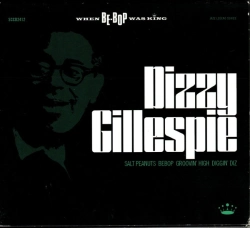
When Be-Bop Was King - CD Music
label:
Smith & Co ‧
see product details
3,95€
10% OFF
CARD
VjFsWlFYSTJlRkpIUTNWSVRrOXdaWEkxYW5SM1FqSnlWV3BCY0d4clNGVlFNbTFNV0d4TVpWRm1VMGxXYjFsVU1qQkdhMGxxVEhaT1FrTXZVMHBDVFdKUlFtSmhWMkZyYkRjNFVWWlFNVkp3YzNSalEyTkdVakZKUWpGNUwzRTFaamhuZDJjM0sxUmpSVk1yYVhGMlIwZG9jVkprWVdOVGFucElVblp5YXprcmFsVkVSamxhY2tKaGVEWjBibXBpVmpKbU1VOW5WazFWVTBsSU1XRnFhRkZMVTFac1VsVnpkMnd5VTNwV04wVXZWMlkzUTNsa1lXTkpVekpEWjBVeFJYcFRabTlrVkRWeFlpOXRUVlZyVEhsWEsxWlhjbmxPUzFKdWRsRmpOVVZ5VUZvMFFYSkVhVlJMTUZBeVpqbHZkR1lyWTNWbVVUUnJNRnBNYzB4dVRWQnFLMWxQSzFCMFJGSXpPV1ZqVlRVdmNDOXdWMnhOUmtGVlNrTmxVRTFVV25sSGFYTTNRbkp1UVhoWVNVRk5SVlZVWVUxUGVHcGliVkZVWjJnM1RrcEdUWFJGYm5oV1EzcFFlamxzZFZka1F6ZGhZazFzZUZoU1kxaEJhM1JIYjFwcVJHaG5jMXB0ZGpGR1dFSkJlRzgxV0RkTlptbHJUR2RKU1ZkRE0xZDJWVFJuV1c5blZHRnlObFpXVVdaVFRXWXZUazR6UVU1U1Eya3dTblJEYkRkRFpETkhOa2wxUldoSlJVZGFXWFpDUm1JNGJIQk1aSEJvY25ScVpuY3hkMjVRUWpsa1REbFBlV1Z1Y1hGWlVHOUZUakJqWlRKTWRUWXpObTFYWkRWSEwzRnhiVTUzYWtaRGQwNWxlVmx2UW1sVVZsQmtaWHAxYWxweE1VRllkelZRZGxCdlJVOHZjRGsyV0djeGJsVldiM0JJYTJzM2R6VTNNV041Y1U5Rk1pOUtNbUZ1VnpCU1IzTmxVRVp1VXpkUlNtMWhlRkE0ZVhWTVRscFBjbnBWWkZGTFkySjFjWGx3TDFjNFNDODJSVzlsVFhoQ2JHcHlhVVZyUm1Oc1JGTkdUa05PTTBSbU5UVkNibEJ0Y25OdlpUTXpVMGhoTUhKQ1UyTldXbVU0VFc1M2JVVk1lbTF2VDNGTVFVaFdPR3M0UTA4MloycE9RVkprZVM5VWR5c3phMGN6YWpKcUwwTmxkREUzWldoV01HUTVWVWsyVnpkTFVVOXRWek5DWXpoV2VYWkViVVpEVDJaUFdrWk5NQ3N2Tm00NU9WcHZVVk5XUzNjMmJIcHRjMGR3UXpGcE1XaHRPVk5aVDBsU1NsbDVNMjVpVlVkelEwdzNkRVZQYzB0SDpXMlVuYjhpNFFNbGlxVXNlaDVPUHlBPT0=
ARTICLE DESCRIPTION
ALIGNMENT
1
01 - Woody 'N' You
02 - Disorder At The Border
03 - I Can't Get Started
04 - Good Bait
05 - Bebop
06 - Blue 'N' Boogie
07 - Groovin' High
08 - All The Things you Are
09 - Dizzy Atmosphere
10 - Salt Peanuts
11 - Shaw 'Nuff
12 - Hot House
13 - Diggin' Diz
14 - Confirmation
15 - Dynamo A
16 - 'Round Midnight
17 - 52nd Street Theme
18 - A Night In Tunisia
19 - Ol' Man Rebop
20 - Anthropology
21 - Oop Bop Sh'bam
22 - Our Delight
23 - Smokey Hollow Jump
24 - Boppin' The Blues
25 - Moody Speaks
2
01 - Emanon
02 - Ow!
03 - Oop-Pop-A-Da
04 - A Night In Tunisia (Live)
05 - Dizzy Atmosphere (Live)
06 - Groovin' High (Live)
07 - Confirmation (Live)
08 - Ko Ko (Live)
09 - Leap Here
10 - Algo Bueno (Woody 'N' You)
11 - Cubana Bop
12 - Lover, Come Back To Me
13 - I'm Be Boppin' Too
14 - Katy (Dizzier And Dizzier)
15 - Hey Pete Let's Eat More Meat
16 - Bloomdido
17 - An Oscar For Treadwell
18 - Mohawk
19 - My Melancholy Baby
20 - Leap Frog
21 - Relaxin' With Lee
DETeBook com proteção para wookreaderILS
| Property | Description |
|---|---|
| label: | Smith & Co |
| Dimensions: | 125 x 140 x 8 mm |
| Format: | Music |
| Categories: |
Jazz/Blues
>
Jazz
|
| EAN: | 8718053744124 |
| Number of disks: | 2 |
| Format: | CD |
ABOUT THE ARTIST
Dizzy Gillespie
Dizzy Gillespie, nascido John Birks Gillespie a 21 de outubro de 1917 em Cheraw, Carolina do Sul, e falecido a 6 de janeiro de 1993 em Englewood, Nova Jérsia, foi um dos mais influentes trompetistas e compositores de jazz do século XX. Ele desempenhou um papel crucial na formação do bebop, um estilo inovador que revolucionou o jazz.
Gillespie começou a tocar trompete ainda jovem e, após concluir o ensino médio, mergulhou na cena musical de Nova Iorque. Durante a década de 1940, tornou-se uma figura central na revolução do bebop, um movimento que desafiava as convenções do jazz tradicional e introduzia complexidade harmónica e rítmica. Trabalhou com outros pioneiros do bebop, como Charlie Parker, com quem formou uma das mais notáveis parcerias musicais da época.
Em 1945, Gillespie fundou a sua própria banda, que incluía alguns dos mais proeminentes músicos de bebop da época. A sua abordagem inovadora ao trompete, caracterizada por uma técnica avançada e uma notável capacidade de improvisação, ajudou a definir o som do bebop. Entre as suas composições mais conhecidas estão "A Night in Tunisia" e "Salt Peanuts", que se tornaram clássicos do jazz e são frequentemente citadas como exemplos paradigmáticos do estilo bebop.
Gillespie era também conhecido pelo seu estilo pessoal distinto, que incluía uma postura incomum ao tocar trompete e o uso de uma trompete com uma campânula achatada, um design que ele mesmo ajudou a popularizar. Além de ser um inovador técnico, Gillespie era um carismático performer e um defensor do jazz como forma de arte cultural.
Durante a década de 1950, Gillespie continuou a explorar novos territórios musicais, incorporando elementos de música latina e afro-cubana no seu trabalho. A sua colaboração com músicos cubanos, como Chano Pozo, ajudou a popularizar o estilo de jazz latino, que se tornou uma influência significativa na evolução do jazz.
A sua carreira continuou a prosperar ao longo das décadas seguintes, e Gillespie tornou-se uma figura respeitada não só no mundo do jazz, mas também no cenário musical internacional. Ele realizou extensas digressões e colaborou com uma vasta gama de músicos e compositores, contribuindo para a evolução contínua do jazz e mantendo-se relevante até ao final da sua vida.
Dizzy Gillespie deixou um legado duradouro que influenciou gerações de músicos e continua a ser celebrado como um dos grandes mestres do jazz. A sua capacidade de inovar, a sua técnica excepcional e o seu espírito indomável garantiram que o seu impacto na música fosse profundo e duradouro. O seu trabalho não só definiu uma era do jazz, mas também ajudou a moldar o futuro do género, consolidando o seu lugar como uma das figuras mais importantes da música do século XX.
BY THE SAME ARTIST
-
10%Live At The Royal Festival Hall, London - DVD/BluRayEagle Vision3,90€ 10% CARD
-
10%Norman Granz' Jazz In Montreux: Dizzy Gillespie Sextet '77 - DVD/BluRayEagle Eye Media3,90€ 10% CARD