Dizzy Gillespie
Dizzy Gillespie, nascido John Birks Gillespie a 21 de outubro de 1917 em Cheraw, Carolina do Sul, e falecido a 6 de janeiro de 1993 em Englewood, Nova Jérsia, foi um dos mais influentes trompetistas e compositores de jazz do século XX. Ele desempenhou um papel crucial na formação do bebop, um estilo inovador que revolucionou o jazz.
Gillespie começou a tocar trompete ainda jovem e, após concluir o ensino médio, mergulhou na cena musical de Nova Iorque. Durante a década de 1940, tornou-se uma figura central na revolução do bebop, um movimento que desafiava as convenções do jazz tradicional e introduzia complexidade harmónica e rítmica. Trabalhou com outros pioneiros do bebop, como Charlie Parker, com quem formou uma das mais notáveis parcerias musicais da época.
Em 1945, Gillespie fundou a sua própria banda, que incluía alguns dos mais proeminentes músicos de bebop da época. A sua abordagem inovadora ao trompete, caracterizada por uma técnica avançada e uma notável capacidade de improvisação, ajudou a definir o som do bebop. Entre as suas composições mais conhecidas estão "A Night in Tunisia" e "Salt Peanuts", que se tornaram clássicos do jazz e são frequentemente citadas como exemplos paradigmáticos do estilo bebop.
Gillespie era também conhecido pelo seu estilo pessoal distinto, que incluía uma postura incomum ao tocar trompete e o uso de uma trompete com uma campânula achatada, um design que ele mesmo ajudou a popularizar. Além de ser um inovador técnico, Gillespie era um carismático performer e um defensor do jazz como forma de arte cultural.
Durante a década de 1950, Gillespie continuou a explorar novos territórios musicais, incorporando elementos de música latina e afro-cubana no seu trabalho. A sua colaboração com músicos cubanos, como Chano Pozo, ajudou a popularizar o estilo de jazz latino, que se tornou uma influência significativa na evolução do jazz.
A sua carreira continuou a prosperar ao longo das décadas seguintes, e Gillespie tornou-se uma figura respeitada não só no mundo do jazz, mas também no cenário musical internacional. Ele realizou extensas digressões e colaborou com uma vasta gama de músicos e compositores, contribuindo para a evolução contínua do jazz e mantendo-se relevante até ao final da sua vida.
Dizzy Gillespie deixou um legado duradouro que influenciou gerações de músicos e continua a ser celebrado como um dos grandes mestres do jazz. A sua capacidade de inovar, a sua técnica excepcional e o seu espírito indomável garantiram que o seu impacto na música fosse profundo e duradouro. O seu trabalho não só definiu uma era do jazz, mas também ajudou a moldar o futuro do género, consolidando o seu lugar como uma das figuras mais importantes da música do século XX.
Gillespie começou a tocar trompete ainda jovem e, após concluir o ensino médio, mergulhou na cena musical de Nova Iorque. Durante a década de 1940, tornou-se uma figura central na revolução do bebop, um movimento que desafiava as convenções do jazz tradicional e introduzia complexidade harmónica e rítmica. Trabalhou com outros pioneiros do bebop, como Charlie Parker, com quem formou uma das mais notáveis parcerias musicais da época.
Em 1945, Gillespie fundou a sua própria banda, que incluía alguns dos mais proeminentes músicos de bebop da época. A sua abordagem inovadora ao trompete, caracterizada por uma técnica avançada e uma notável capacidade de improvisação, ajudou a definir o som do bebop. Entre as suas composições mais conhecidas estão "A Night in Tunisia" e "Salt Peanuts", que se tornaram clássicos do jazz e são frequentemente citadas como exemplos paradigmáticos do estilo bebop.
Gillespie era também conhecido pelo seu estilo pessoal distinto, que incluía uma postura incomum ao tocar trompete e o uso de uma trompete com uma campânula achatada, um design que ele mesmo ajudou a popularizar. Além de ser um inovador técnico, Gillespie era um carismático performer e um defensor do jazz como forma de arte cultural.
Durante a década de 1950, Gillespie continuou a explorar novos territórios musicais, incorporando elementos de música latina e afro-cubana no seu trabalho. A sua colaboração com músicos cubanos, como Chano Pozo, ajudou a popularizar o estilo de jazz latino, que se tornou uma influência significativa na evolução do jazz.
A sua carreira continuou a prosperar ao longo das décadas seguintes, e Gillespie tornou-se uma figura respeitada não só no mundo do jazz, mas também no cenário musical internacional. Ele realizou extensas digressões e colaborou com uma vasta gama de músicos e compositores, contribuindo para a evolução contínua do jazz e mantendo-se relevante até ao final da sua vida.
Dizzy Gillespie deixou um legado duradouro que influenciou gerações de músicos e continua a ser celebrado como um dos grandes mestres do jazz. A sua capacidade de inovar, a sua técnica excepcional e o seu espírito indomável garantiram que o seu impacto na música fosse profundo e duradouro. O seu trabalho não só definiu uma era do jazz, mas também ajudou a moldar o futuro do género, consolidando o seu lugar como uma das figuras mais importantes da música do século XX.
Bibliography
-
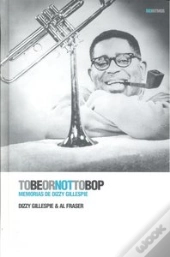
20%To Be Or Not To BopGLOBAL RHYTHM PRESS01-201021,61€
27,01€free shipping -
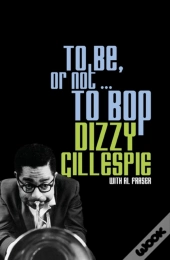
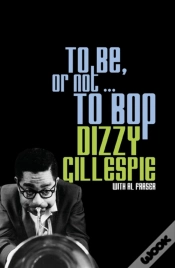
To Be, Or Not . . . To BopUniversity of Minnesota Press02-200920,59€free shipping

Discography
-
imagem não disponívelSwiss Radio Days Jazz Series Vol. 51 - CD10%Swiss Radio Days Jazz Series Vol. 51 - CDDot Time Records12-202525,79€ 10% CARDfree shipping
-
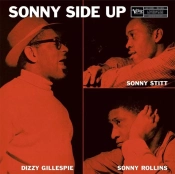
10%Sonny Side Up - VinilVerve10-202538,53€ 10% CARDfree shipping
-
10%Live in Chester, PA, 1957 - CDJazz Rewind08-202516,54€ 10% CARDfree shipping
-
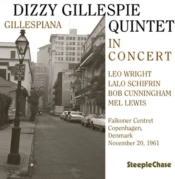
10%In Concert - CDSteeplechase09-202430,54€ 10% CARDfree shipping
-
North Sea Jazz Concert Series 1981, 1982, 1988 - VinilNorth Sea Jazz07-202431,07€
-
imagem não disponívelThe Ebullient Mr. Gillespie - Vinil10%The Ebullient Mr. Gillespie - VinilVerve07-202436,97€ 10% CARDfree shipping
-
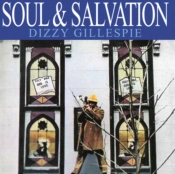
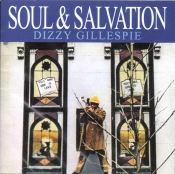
10%Soul & Salvation - VinilWienerworld06-202439,92€ 10% CARDfree shipping
-
When Diz Met Lalo - Selected Recordings 1960-1962 - VinilAcrobat01-202424,96€
-
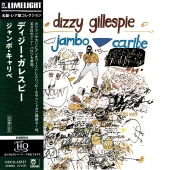
10%Jambo Caribe - CDLIMELIGHT01-202430,91€ 10% CARDfree shipping
-
10%Live in Chester 1957 - VinilJazz Rewind Records01-202452,77€ 10% CARDfree shipping
-
The Gifted Ones - VinilPablo Records01-202467,04€
-
10%Soul & Salvation - CDLiberation Hall01-202423,00€ 10% CARDfree shipping