


adicionar à lista de desejos
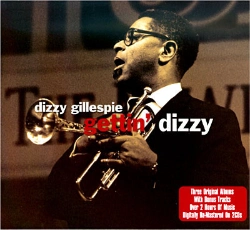
Gettin' Dizzy - CD Music
label:
Not Now Music, January of 2009 ‧
see product details
6,27€
10% OFF
CARD
Y1VsaFNYRnZVVzB5U25Ob1pVSkNaVXBOVHpad2NXSm5jVWt4SzNwRVJHcHllbmhHUVVaallYWnFiMlV4UmtNd2MyZDJjSEpoYnpWTVdFZFJTRVp6Wm5acmJWSnNlVk12ZDFOa1VDOHZRblVyYm1JNVVFUnZNR2xwY1V0R1QwRlNTSE5ZV1ZVMVRsRjZhVVV4S3paTGNFZFFhVEV3Y2twdUwwZG5TRU54VWs1alF6RTJOSGs0UVM5RmJYSkdVVzQwYjI5MmNtNUROQ3RwZUdVeVZVVnFNa1pPUlUxMGIyUTVhaXRYWjBScWIzcDRkVFZ3TWxSMlRWWnZlRmMyVFZCaEx6UmtZbkpqYTFWbGFsTkRiM2xTYTNkV2JXazJMMUUwZUhWdlN5OUJVVk01TURWb2FrRkZWVUk1V0VSV2JrMTJWV3hVVmxnM2IweHdTa0ppYVZFMFdVOVVSM05JTUhkd1dVRmFibEZaTDBwV01sVXZSbTVIVW01V1NFeHRiVmRSVmtWcVlYZENWMGh3UTBOaldYWkZRM1ozZUdwQlNHdHNVbmtyYWpkV04yMWlWVTF0Y0hadmJISnJjMDVYY25oNkwyVmpaMmM0UVdoTFFVVlpSbmR6WTNONWVGaEJaMmh4VUVWMGVVdHBVRUZ6Y1dwaFduTjFjazlSYmtsVloxRnlabU01ZG1Kd01HVmtVVFF3TTFkcWVHVkxTRUp1VGpsWlp6TlhNSHB5YTJWMk0zWTNibU5HWWxSdFFYTXZORlZoYW1WMVowWlBiVmxtWTFsSE5IWnRiVWx6WlRSMmFWUlNNa2wxUzJOSWNHVk1abTVVWlRoYVExTkZUSHB3VlU4NWFHZGFUamx2VHpoM2JWcEJOMGszVVdWR1ozTnVSbVJ0VWtobVFXNVJXRnBFTTNObFoyaDJVMDVVYldGNFltUnJkRGRaWlRSWmVqUnFaQ3RsYmt4Vk1WUnRaWEpZYmtoQ05YTjRlRXREYkhsR1RuWk1ZV2h2WkRsSk5FOHhiMlo1T1RVelp6Z3ZURlIzYWtoUWNEVTJSRmREUjBGRGJYUkZlVVpsWkV0b2VtVlFhVEZEUm1OcE0yWjBNMDVQTldoeU9ISm1UbE5uTWxwcVlYbERPV1ZXTlZKeFUydzJUbE00T0RkbmVtWkxRVTlzTW01a1J6SlVUbkIwVTFwU1IwUlpRM2M1YzFkTVowcFRWRU5hVFZkRVpYTkhWRkJhU21WVWJUbFJjRXBFUkZKSWVscExha05pT0dOVlNHTlphbmhvUTIwMmQxVTFVSEZwTDBSVFpFWm5lbmhtWkhOcVUwSmhZMkp6VlZwd1FXVm1PWEJ4V1V0WldHc3JZVnBqZUhCNFpsaEhWMHQ2VXpWeVJpc3dUbm81U0ROS2FtZGhkejA5OldDUEdIOEFwWDB1QTdOR3lhTzJiQVE9PQ==
ARTICLE DESCRIPTION
ALIGNMENT
Birk's Works
1
01 - Jordu
02 - Birk's Works
03 - Umbrella Man
04 - Autumn Leaves
05 - Tangerine
06 - Over The Rainbow
07 - Yo No Quiero Bailar
08 - If You Could See Me Now
09 - Left Hand Corner
10 - Whisper Not
11 - Stablemates
12 - That's All
13 - Groovin' High
Bonus Tracks From 'For Musicians Only'
14 - Bebop
15 - Dark Eyes
Afro
2
01 - Manteca Theme
02 - Contraste
03 - Jungla
04 - Rhumba Finale
05 - A Night In Tunisia
06 - Con Alma
07 - Caravan
World Statesman
08 - Dizzy's Business
09 - A Night In Tunisia (1956 Ver.)
10 - Jessica's Day
11 - Tour De Force
12 - I Can't Get Started
13 - Stella By Starlight
14 - Doodlin'
15 - The Champ
16 - My Reverie
17 - Dizzy's Blues
DETAILS
| Property | Description |
|---|---|
| label: | Not Now Music |
| Release Date: | January of 2009 |
| Dimensions: | 125 x 140 x 8 mm |
| Format: | Music |
| Categories: |
Jazz/Blues
>
Jazz
|
| EAN: | 5060143493164 |
| Duration (m): | 148 |
| Number of disks: | 2 |
| Format: | CD / Compilation |
ABOUT THE ARTIST
Dizzy Gillespie
Dizzy Gillespie, born John Birks Gillespie on October 21, 1917 in Cheraw, South Carolina, and died on January 6, 1993 in Englewood, New Jersey, was one of the most influential jazz trumpeters and composers of the twentieth century.
Gillespie began playing the trumpet at a young age, and after graduating from high school, he immersed himself in the New York music scene. During the 1940s, he became a central figure in the bebop revolution, a movement that challenged the conventions of traditional jazz and introduced harmonic and rhythmic complexity. He worked with other bebop pioneers, such as Charlie Parker, with whom he formed one of the most notable musical partnerships of the time.
In 1945, Gillespie founded his own band, which included some of the most prominent bebop musicians of the time. His innovative approach to the trumpet, characterized by advanced technique and remarkable improvisational skills, helped define the sound of bebop. Among his best-known compositions are "A Night in Tunisia" and "Salt Peanuts", which have become jazz classics and are often cited as paradigmatic examples of the bebop style.
Gillespie was also known for his distinctive personal style, which included an unusual posture when playing the trumpet and the use of a trumpet with a flattened bell, a design he himself helped popularize. In addition to being a technical innovator, Gillespie was a charismatic performer and an advocate of jazz as a cultural art form.
During the 1950s, Gillespie continued to explore new musical territories, incorporating elements of Latin and Afro-Cuban music into his work. His collaboration with Cuban musicians, such as Chano Pozo, helped popularize the Latin jazz style, which became a significant influence on the evolution of jazz.
His career continued to thrive over the next few decades, and Gillespie became a respected figure not only in the jazz world but also in the international music scene. He toured extensively and collaborated with a wide range of musicians and composers, contributing to the continued evolution of jazz and remaining relevant until the end of his life.
Dizzy Gillespie left a lasting legacy that influenced generations of musicians and continues to be celebrated as one of the great masters of jazz. His ability to innovate, his exceptional technique, and his indomitable spirit ensured that his impact on music was profound and long-lasting. His work not only defined an era of jazz but also helped shape the future of the genre, cementing his place as one of the most important figures in twentieth-century music.
BY THE SAME ARTIST
-
Live At The Royal Festival Hall, London - DVD/BluRay10%Eagle Vision3,90€ 10% CARD
-
Norman Granz' Jazz In Montreux: Dizzy Gillespie Sextet '77 - DVD/BluRay10%Eagle Eye Media3,90€ 10% CARD