



adicionar à lista de desejos
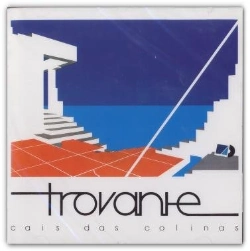
Cais Das Colinas - CD Music
label:
Som Livre, January of 2007 ‧
see product details
OUT OF STOCK OR NOT AVAILABLE
ARTICLE DESCRIPTION
ALIGNMENT
Disco 101 - Ibérica (Instrumental)
02 - Saudade
03 - Ribeirinho
04 - Lua De Março
05 - Despertar
06 - Combóio
07 - Pedra No Charco
08 - Oração
09 - Linha Das Fronteiras
10 - Mulata (Instrumental)
11 - Baile No Meu Coração (Baião De Dois)
DETeBook com proteção para wookreaderILS
| Property | Description |
|---|---|
| label: | Som Livre |
| Release Date: | January of 2007 |
| Dimensions: | 143 x 124 x 9 mm |
| Format: | Music |
| Categories: |
Jazz/Blues
>
Experimental Jazz
Portuguese > Pop-Rock |
| EAN: | 5604931109822 |
| Duration (m): | 40 |
| Number of disks: | 1 |
| Format: | CD / Album |
ABOUT THE ARTIST
Trovante
Trovante foi uma das bandas mais importantes e influentes da música portuguesa, especialmente conhecida pelo seu papel no movimento musical pós-25 de Abril e pela forma como conseguiu combinar a música popular e tradicional portuguesa com o rock e a música de intervenção. Formada em 1976, em Lisboa, a banda marcou várias gerações com as suas canções, que refletiam tanto as esperanças e sonhos de um país em mudança quanto os sentimentos pessoais e universais dos seus membros.
A formação inicial dos Trovante incluía Luís Represas (voz e guitarra), João Gil (guitarra e composição), Manuel Faria (teclados e acordeão), Artur Costa (bateria) e José Martins (baixo). Mais tarde, outros músicos se juntaram à banda, incluindo João Nuno Represas (flautas) e Fernando Júdice (baixo), enriquecendo o som do grupo com uma maior diversidade instrumental.
Trovante começou como um grupo musical ligado ao movimento associativo e estudantil, num período pós-revolucionário em que a música de intervenção tinha um papel crucial na sociedade portuguesa. O seu primeiro álbum, Chão Nosso (1977), refletia essas preocupações, com canções que abordavam temas sociais e políticos, numa mistura de música popular portuguesa com novas sonoridades.
Ao longo dos anos 1980, Trovante evoluiu musicalmente, afastando-se gradualmente da música de intervenção e abraçando um som mais pop-rock, sem nunca perder o seu carácter poético e o compromisso com as raízes culturais portuguesas. Álbuns como Baile no Bosque (1981) e Cais das Colinas (1983) mostraram essa transição, com músicas que falavam de amor, saudade e do quotidiano, sempre com uma riqueza lírica que caracterizou o grupo.
O grande sucesso da banda veio com o álbum Sepes (1986), que incluía a icónica canção "125 Azul". Esta canção tornou-se um dos maiores sucessos da música portuguesa e é ainda hoje uma referência obrigatória quando se fala da banda. "125 Azul" não só capturou a essência da juventude portuguesa da época como também se tornou um hino de liberdade e de viagem, tanto literal quanto metafórica.
Em 1987, Trovante lançou o álbum Terra Firme, que consolidou ainda mais o seu sucesso. O álbum incluiu canções como "Perigo", "Timor" e "Saudade", que se tornaram verdadeiros clássicos. Este trabalho destacou-se pela maturidade da banda, tanto a nível musical como lírico, e foi recebido com grande aclamação tanto pela crítica quanto pelo público.
Um dos momentos mais marcantes na carreira dos Trovante foi o concerto no Estádio de Alvalade, em 1988, que atraiu uma multidão de fãs e demonstrou o impacto e a popularidade da banda em Portugal. Este concerto ficou registado no álbum ao vivo Ao Vivo no Campo Pequeno (1988), que capturou a energia e a conexão da banda com o seu público.
Em 1990, a banda lançou o álbum Um Destes Dias..., Um Poeta que continuou a explorar temas pessoais e sociais com a profundidade e sensibilidade que os caracterizavam. No entanto, no início dos anos 1990, a banda decidiu interromper a sua atividade, com os seus membros a seguirem projetos a solo. Luís Represas, por exemplo, seguiu uma carreira a solo de grande sucesso, continuando a ser uma figura proeminente na música portuguesa.
Trovante reuniu-se ocasionalmente para concertos especiais, como o espetáculo no Pavilhão Atlântico em 1999, que marcou o reencontro da banda e a celebração do seu legado. O impacto de Trovante na música portuguesa continua a ser profundo, e as suas canções são ainda hoje ouvidas e celebradas por várias gerações.
O legado de Trovante é indiscutível. Eles conseguiram criar uma ponte entre a música popular e o rock, entre a tradição e a modernidade, e entre a música de intervenção e as canções de amor e saudade. A sua capacidade de evoluir ao longo do tempo, mantendo sempre uma forte ligação às suas raízes culturais, tornou-os numa das bandas mais queridas e respeitadas de Portugal. A sua música continua a ser um reflexo da identidade portuguesa, com um apelo universal que ressoa com quem a escuta, independentemente do tempo ou do lugar.
BY THE SAME ARTIST
-
10%Essencial - CDEdições Valentim de Carvalho7,89€ 10% CARD
-
10%Grandes Êxitos - CDEMI Music Portugal6,91€ 10% CARD
PEOPLE WHO BOUGHT ALSO BOUGHT
-
10%Spiritual Jazz 11 - CDJazzman12,84€ 10% CARTÃO
-
10%Ar De Rock - VinilEdições Valentim de Carvalho28,59€ 10% CARTÃO